Four Dead in Jordan as Iran’s Proxies Open Two New Fronts
- Iranian-backed militias killed four US service members at Tower 22 base in Jordan, the first American combat deaths since the Gaza war began
- Hezbollah launched coordinated strikes from Lebanon while Iraqi militias hit the Jordan base, opening simultaneous fronts
- Oil jumped 10 percent to $87 per barrel as traders priced in supply disruption risk across the Middle East
Four US service members died Sunday when Iranian-backed militias struck Tower 22, a logistics base in northeast Jordan near the Syrian border. The attack marked the first American combat deaths since Hamas triggered the regional crisis on October 7.
The timing was coordinated. While Iraqi militias hit Jordan, Hezbollah launched its largest barrage from Lebanon in four months. Iran’s proxies opened two new fronts simultaneously, forcing the Pentagon to defend positions 400 miles apart.
Oil markets moved immediately. Brent crude jumped from $79 to $87 per barrel in 48 hours, the sharpest two-day move since Russia invaded Ukraine.
The Tower 22 Strike
Tower 22 sits 10 miles from the Syrian border in Jordan’s northeastern desert. The base houses 350 American troops who coordinate logistics for operations against ISIS remnants in Syria and Iraq.
The attack came at 0630 local time during a shift change. Iranian-backed militias fired multiple rockets and drones at the compound. Four service members died and 34 were wounded, making it the deadliest day for US forces in the region since 2021.
Jordan’s government called the attack a violation of its sovereignty. The kingdom has hosted US forces since 2014 but maintains careful neutrality in regional conflicts. King Abdullah met with his security council within hours of the strike.
The Islamic Resistance in Iraq claimed responsibility. The umbrella group coordinates attacks for Iranian-backed militias including Kata’ib Hezbollah and Harakat al-Nujaba. Both groups operate across the Iraq-Syria border and have struck US positions 150 times since October.
However, Iranian officials denied direct involvement in the attack. Foreign Ministry spokesman Nasser Kanani told state media that “Iran pursues no objectives through proxy forces and has not issued any directives for such actions.”
Two-Front Pressure
Hezbollah opened its Lebanon front six hours after the Jordan strike. The group fired 50 rockets at Israeli positions in the Golan Heights, the largest single barrage since October. Israel responded with airstrikes on 15 Hezbollah positions in southern Lebanon.
The coordination was deliberate. Iranian proxies now engage US and Israeli forces simultaneously from Jordan, Lebanon, Iraq, Syria, and Yemen. Each front forces defensive resource allocation while preventing concentrated retaliation.
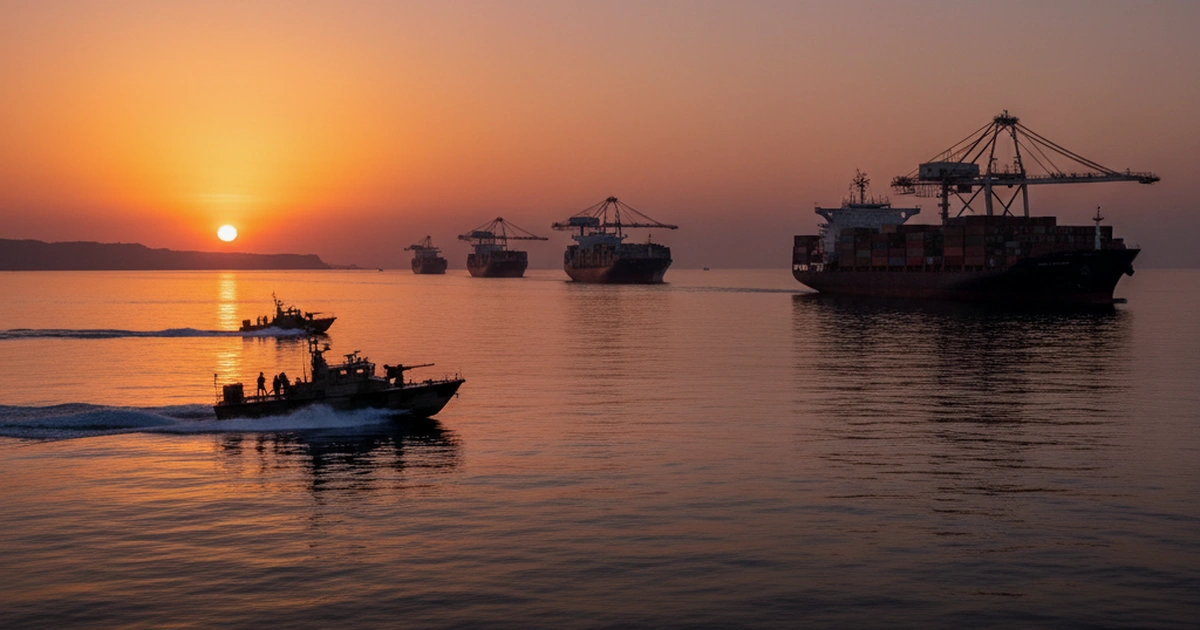
Yemen’s Houthis maintained pressure on Red Sea shipping. The group struck two more commercial vessels Sunday, bringing the total to 34 attacks since November. Maritime insurance rates hit 10-year highs as shipping companies reroute around Africa.
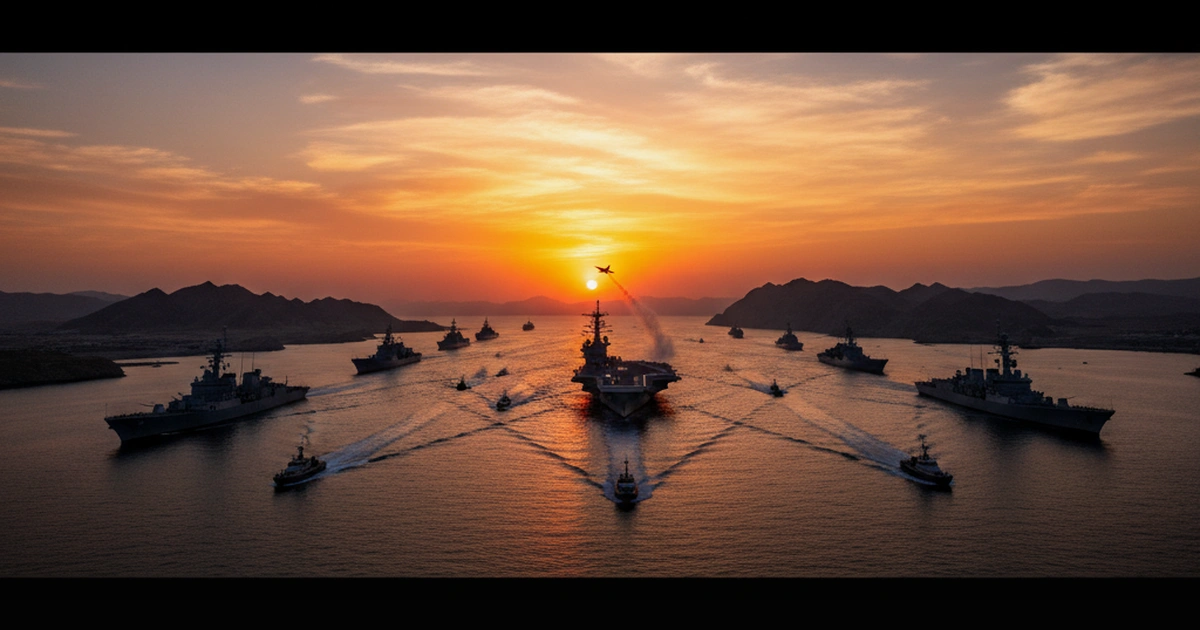
The multi-front strategy creates a forced choice for Washington. Retaliate against one proxy group, and others escalate elsewhere. Target Iranian command centers directly, and all proxies activate simultaneously.
Lebanese officials attempted to distance themselves from the escalation. Prime Minister Najib Mikati told reporters that Lebanon “does not seek to expand the conflict” and called for de-escalation from all parties.
The $87 Question
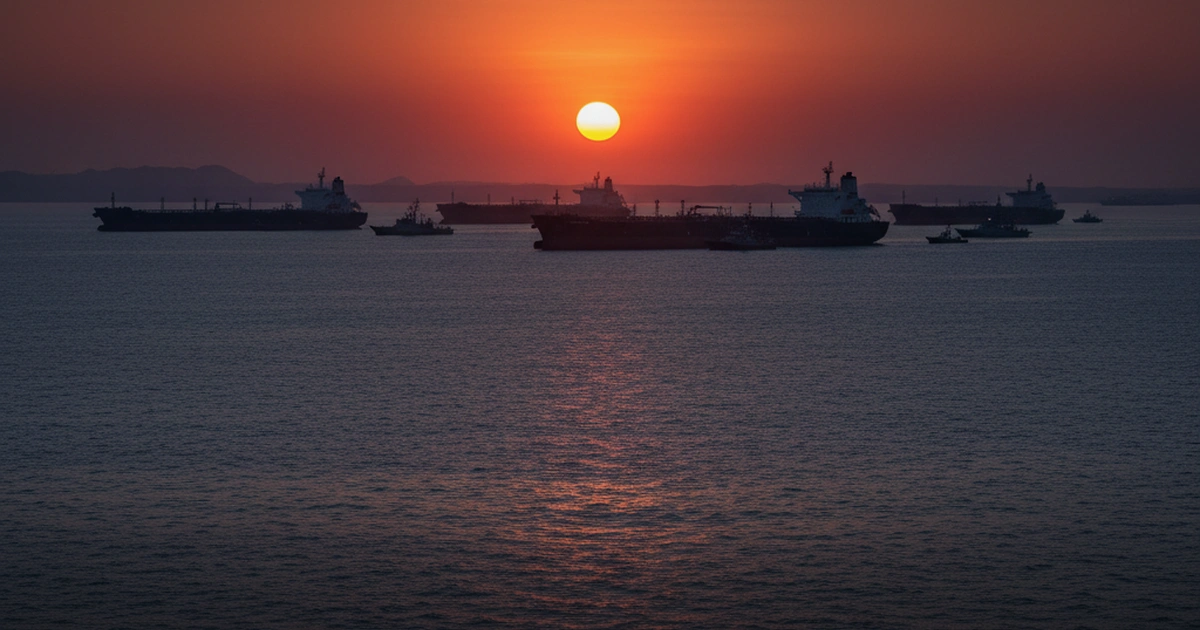
Oil markets priced in supply disruption risk across three chokepoints. The Strait of Hormuz handles 21 percent of global petroleum transit. The Suez Canal manages 12 percent. The Bab-el-Mandeb strait controls 8 percent.
Iranian proxies now threaten all three. Houthis attack ships in the Red Sea approach to Suez. Iraqi militias can strike pipelines feeding Hormuz. Hezbollah’s rockets reach Israeli energy infrastructure that processes 40 percent of Europe’s natural gas imports.
Traders calculated the math. Losing any single chokepoint removes 3-4 million barrels per day from global markets. Losing two simultaneously creates the first genuine supply crisis since 1979.
Saudi Arabia pumps 12 million barrels daily but maintains only 2 million in spare capacity. The kingdom cannot replace lost Iranian or Iraqi production if those countries exit the market through conflict or sanctions.
The 10 percent oil spike in 48 hours reflects this calculation. Four dead Americans in Jordan signals Iranian proxies will target US forces directly. That raises the probability of broader US retaliation.
Market analysts at Goldman Sachs warned that sustained $90+ oil could trigger global recession if the conflict expands. Energy security concerns now drive policy decisions from Washington to Beijing.
None of those options are popular. All of them remain on the table as Pentagon officials consider response options to the deadliest attack on US forces in the region since 2021.