Warsh Wouldn’t Tell Senate If His $100M Fund Holds Epstein-Linked Investments
- Fed Chair nominee Kevin Warsh declined to answer whether his $100M+ Juggernaut Fund holdings include Jeffrey Epstein-affiliated vehicles during April 21 Senate confirmation hearing
- Sen. Elizabeth Warren asked directly if the fund invested in “financing vehicles established by Jeffrey Epstein” — Warsh deflected to divestiture pledges rather than denying
- Warsh’s Juggernaut holdings remain undisclosed due to confidentiality agreements, comprising the bulk of his personal wealth separate from wife Jane Lauder’s $1.9B Estée Lauder fortune
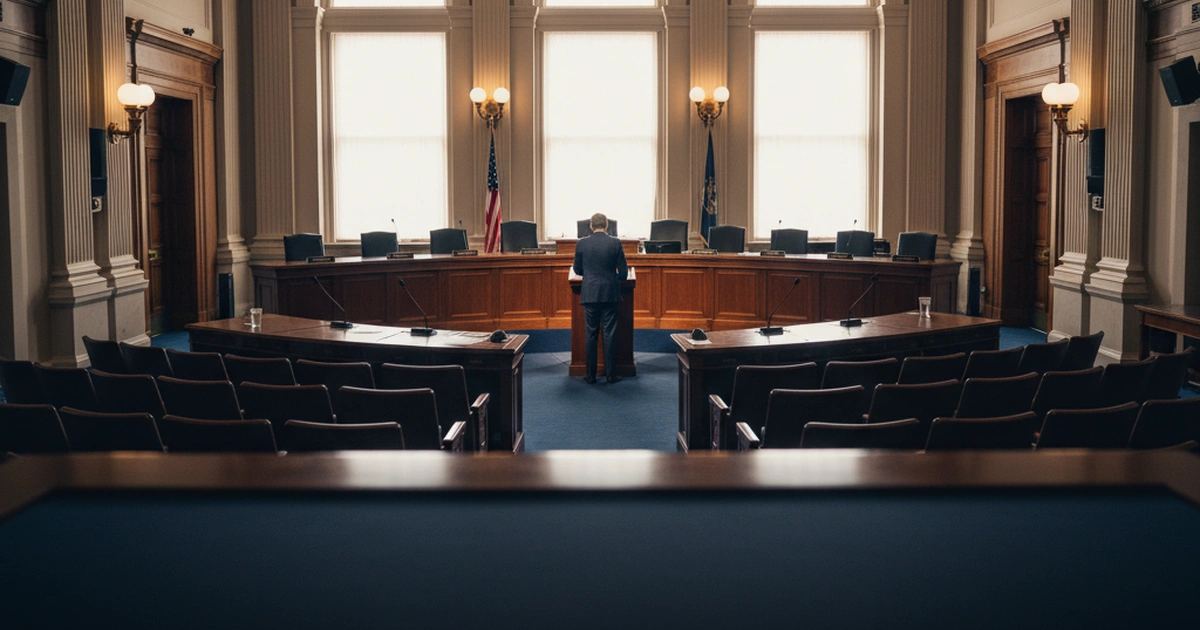
Federal Reserve Chair nominee Kevin Warsh refused to tell senators whether his largest investment holdings include vehicles established by Jeffrey Epstein, deflecting a direct question during his confirmation hearing with promises to sell the assets if confirmed.
The exchange came during questioning by Sen. Elizabeth Warren about Warsh’s $100 million-plus stake in Juggernaut Fund LP, a private investment vehicle connected to billionaire Stanley Druckenmiller’s Duquesne Family Office. The fund’s underlying assets remain shielded by confidentiality agreements that have left ethics officials and senators in the dark about what Warsh actually owns.
The Warren Exchange
Warren asked Warsh point-blank: “Did the Juggernaut fund or the THSDFS LLC invest in any companies affiliated with President Trump or his family, companies that have facilitated money laundering Chinese-controlled companies or financing vehicles established by Jeffrey Epstein?”
Warsh declined to answer the substance. “Those assets will be sold if I’m confirmed,” he said.
Warren pressed: “That’s not my question. Are you refusing to tell us if you have investments in vehicles set up by Jeffrey Epstein?”
Warsh repeated his deflection: “Those assets will be sold if I’m confirmed.”
The exchange was notable for what Warsh didn’t say. Under oath before the Senate Banking Committee, he didn’t deny holding Epstein-affiliated investments. He didn’t claim ignorance of the fund’s contents. He simply refused to engage with the question, deferring to his divestiture pledge.
The Epstein connection isn’t theoretical. Warsh’s name appears twice in Justice Department materials released under the Epstein Files Transparency Act: on a 2010 Christmas party guest list for St. Barthélemy and in an email list labeled “LIWALLSTREET2” that included “Ms. Jane Lauder (Kevin Warsh).” There’s no evidence Warsh met Epstein or attended any events, but the social proximity through his wife’s Estée Lauder family connections is documented.
The Juggernaut Black Box
Warsh disclosed two separate positions in Juggernaut Fund LP, each valued at “over $50 million” on his 69-page Office of Government Ethics filing. That’s over $100 million in a single fund, comprising the bulk of his personal wealth.
But nobody knows what’s in it. Warsh cited “pre-existing confidentiality agreements” to avoid disclosing the fund’s underlying assets. The Senate doesn’t know. The public doesn’t know. Even the OGE certifying official flagged the Juggernaut holdings specifically, making full divestiture a condition of ethics compliance.
Juggernaut Fund LP is connected to Duquesne Family Office, the private investment firm run by Stanley Druckenmiller, the legendary hedge fund manager. Warsh has worked as an adviser to Druckenmiller’s office since leaving the Fed Board of Governors 15 years ago, collecting $10.2 million in consulting fees disclosed on the same OGE filing.
The fund raised $532 million in equity as of April 8, according to SEC filings. It’s registered at 80 State Street in Albany, New York.
Warsh is currently out of compliance with OGE ethics rules for these holdings. He’s pledged to divest within 90 days of confirmation, but until then, the contents remain a black box.
What It Means
The Senate Banking Committee’s Democratic staff made the connection explicit in their April 20 report titled “Expansive Wealth, Limited Disclosures.” They identified Warsh’s Epstein Files appearance and his opaque financial disclosures as linked problems: “Mr. Warsh’s name appears in the Epstein files, and his financial disclosures raise additional unanswered questions regarding potential links to Mr. Epstein.”
Warren’s question forced the issue. If Warsh’s $100 million stake includes Epstein-affiliated vehicles, that’s a massive undisclosed conflict for a Fed Chair. If it doesn’t, a simple “no” would have ended the line of inquiry.
Instead, Warsh chose deflection. That choice is now part of the confirmation record.
The confidentiality agreements create an unprecedented situation. No Fed Chair nominee has ever held over $100 million in undisclosed assets while claiming they can’t reveal what they own. The OGE has never had to certify a nominee whose largest holdings remain completely opaque.
For context, Warsh’s wife Jane Lauder is heir to the Estée Lauder cosmetics fortune, worth approximately $1.9 billion. The couple moves in the same New York social circles where Epstein maintained extensive connections before his 2019 death in federal custody.
The Juggernaut mystery will resolve one way or another. Either Warsh divests and the contents remain forever unknown, or senators demand disclosure before confirmation. But the hearing exchange is already locked in: when asked directly about Epstein-linked investments, the Fed Chair nominee wouldn’t say no.