Iran Claims Seizure of Two Container Ships After Strait of Hormuz Attacks
- Iranian forces fired on at least three commercial vessels in the Strait of Hormuz on April 22
- Iran claims it seized two container ships, MSC Francesca and Epaminondas, moving them to Iranian waters
- Maritime security sources independently confirm the attacks but full custody verification remains limited
Iran says it seized two container ships after Iranian forces fired on at least three commercial vessels in or near the Strait of Hormuz. The attacks are independently corroborated by maritime security sources, but full confirmation that both ships were actually transferred into Iranian custody remains limited.
The IRGC Navy said it interdicted and seized MSC Francesca and Epaminondas, describing them as “attempting to secretly exit the Strait of Hormuz.” Both vessels were moved to Iranian territorial waters for cargo and document inspection, according to the statement.
The Attacks
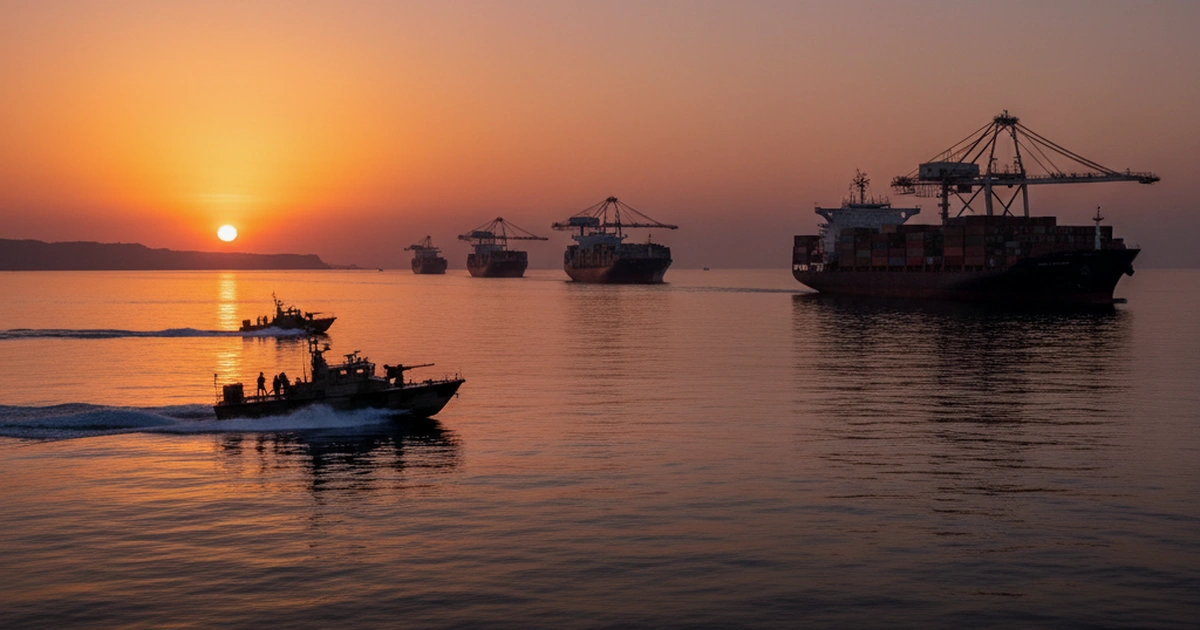
Three container ships came under gunfire on April 22. The Epaminondas, a Liberia-flagged, Greek-operated vessel, was fired upon about 15 nautical miles northwest of Oman. IRGC gunboats used small arms and RPG fire, causing bridge damage. The master reported no prior radio contact and had earlier received permission to transit the strait.
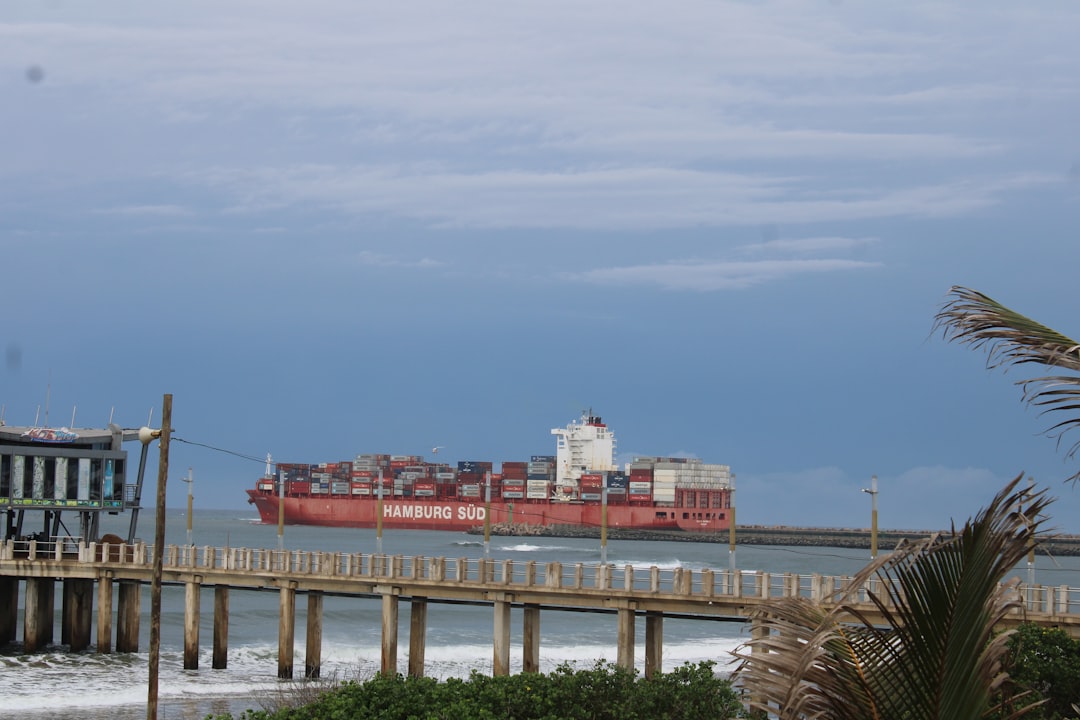
The Panama-flagged MSC Francesca was hit by gunfire about eight nautical miles west of Iran but sustained less damage. A third vessel, identified by BBC Verify as the Euphoria, was also targeted but appears not to have been among the ships Iran claims to have seized.
CNBC could not independently verify the Iranian seizure claims. Reuters noted that Greek coastguards could not confirm the Epaminondas seizure. The attacks themselves are substantiated by UK Maritime Trade Operations and maritime security sources.
The Transit Squeeze
Iran has been tightening control over Hormuz transit since mid-April. On April 17, Tehran announced the strait was open but only along designated routes. By April 20, shipping traffic remained at a virtual standstill through the waterway.
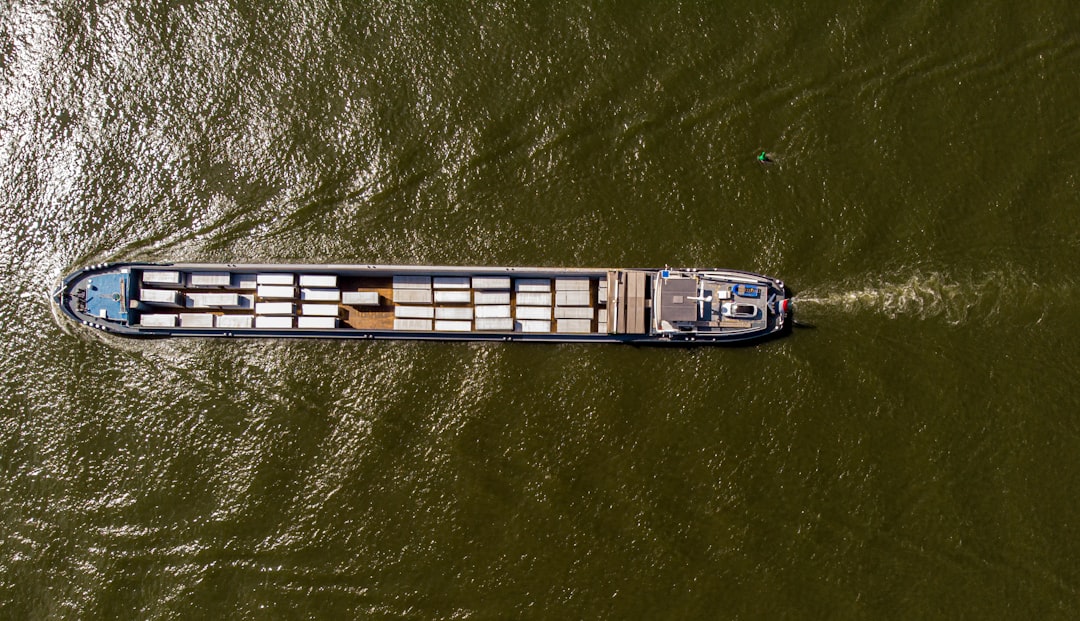
The April 22 attacks followed a brief reopening. On April 18, a convoy of tankers was seen leaving the Gulf after Iran appeared to ease restrictions. The window lasted less than four days.
Iran justified the seizures by claiming the vessels violated navigation rules and endangered maritime security. The IRGC statement said both ships were being examined for compliance with “authorization requirements” — language that suggests Iran is enforcing permit systems for commercial transit.
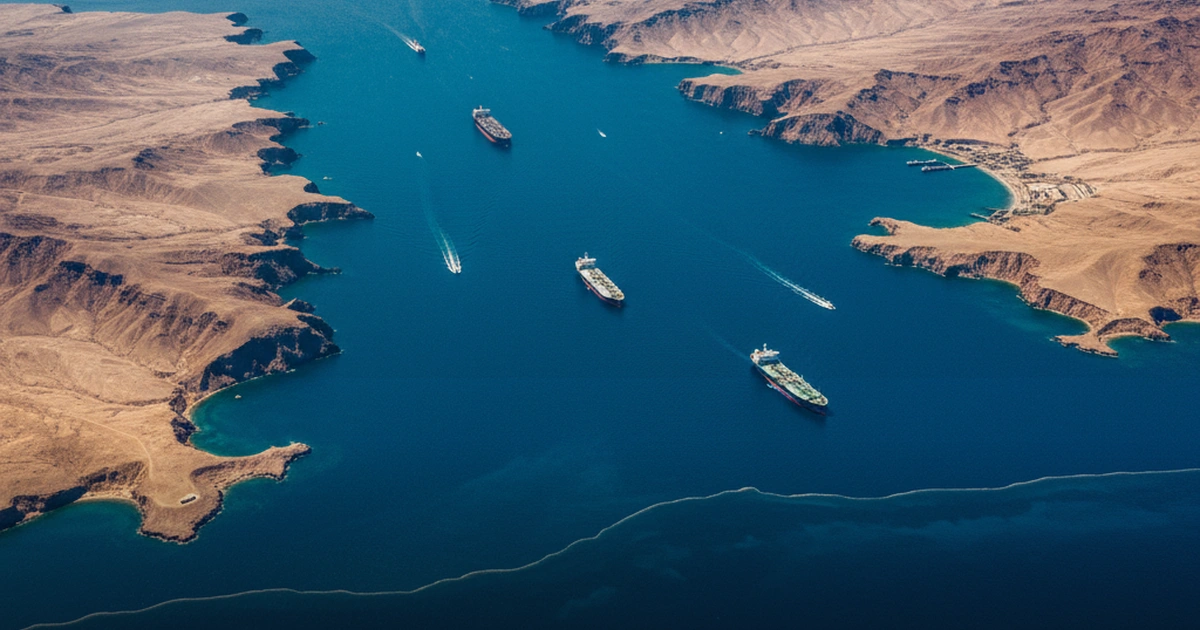
The Strait of Hormuz carries roughly 20% of global oil shipments. Iran’s ability to disrupt traffic gives Tehran leverage in its broader conflict with the United States and Israel. The seizure claims, whether fully executed or not, signal Iran’s willingness to escalate maritime enforcement. For commercial shipping, the message is clear: transit approval is no longer guaranteed.