Iran’s Missile Breaks Through US Air Defenses at Al Udeid Base
- Iranian ballistic missile penetrated multi-layered air defenses at Al Udeid Air Base in Qatar, striking communications infrastructure
- US submarine sank Iranian frigate IRIS Dena off Sri Lanka, killing 148 crew in first torpedo kill since WWII
- Pentagon claims 86% reduction in Iranian missile launches after destroying 300+ launchers, but interceptor math shows production deficit
An Iranian ballistic missile broke through multiple layers of US air defenses at Al Udeid Air Base in Qatar, marking the first successful strike on a major American facility four days into Operation Epic Fury.
Qatar’s Defense Ministry confirmed that Iran launched two ballistic missiles at the base. One was intercepted. The other struck communications infrastructure, targeting radar domes and satellite arrays. No casualties were reported.
The breach comes as the Pentagon claims to have achieved air superiority over Iran and destroyed hundreds of missile launchers. But the Al Udeid strike exposes a fundamental math problem: Iranian missiles cost a fraction of American interceptors, and Iran produces them faster than the US can manufacture defensive systems.
First Submarine Kill Since 1945
A US fast attack submarine sank the Iranian frigate IRIS Dena off Sri Lanka using a Mark 48 torpedo, killing 148 of 180 crew members in the first American submarine torpedo kill since USS Torsk struck a Japanese coastal defense vessel in August 1945.
USNI News obtained periscope footage showing the under-keel detonation that broke the frigate’s back. The Dena had departed from India’s Visakhapatnam Fleet Review when the submarine began tracking it in international waters.
Sri Lankan Navy vessels recovered 32 survivors and 80+ bodies. Another 60+ crew remain missing. Defense Secretary Pete Hegseth called it a “quiet death” and declared Iran’s conventional navy “combat ineffective.” Iranian Navy Commander Rear Admiral Shahram Irani disputed these claims, telling state television IRINN that “one frigate loss does not diminish our naval deterrence,” while calling the submarine attack a violation of international maritime law.
The sinking represents the first nuclear submarine guided torpedo kill in naval history. But military analysts question whether destroying conventional blue-water assets addresses Iran’s primary naval threat: IRGC fast-boat swarms in the Strait of Hormuz.
The Interceptor Math
The Al Udeid breach occurred despite what the Pentagon calls the most sophisticated air defense network in the Middle East. Patriot PAC-3 batteries, THAAD systems, and naval Aegis destroyers form overlapping coverage across Gulf bases.
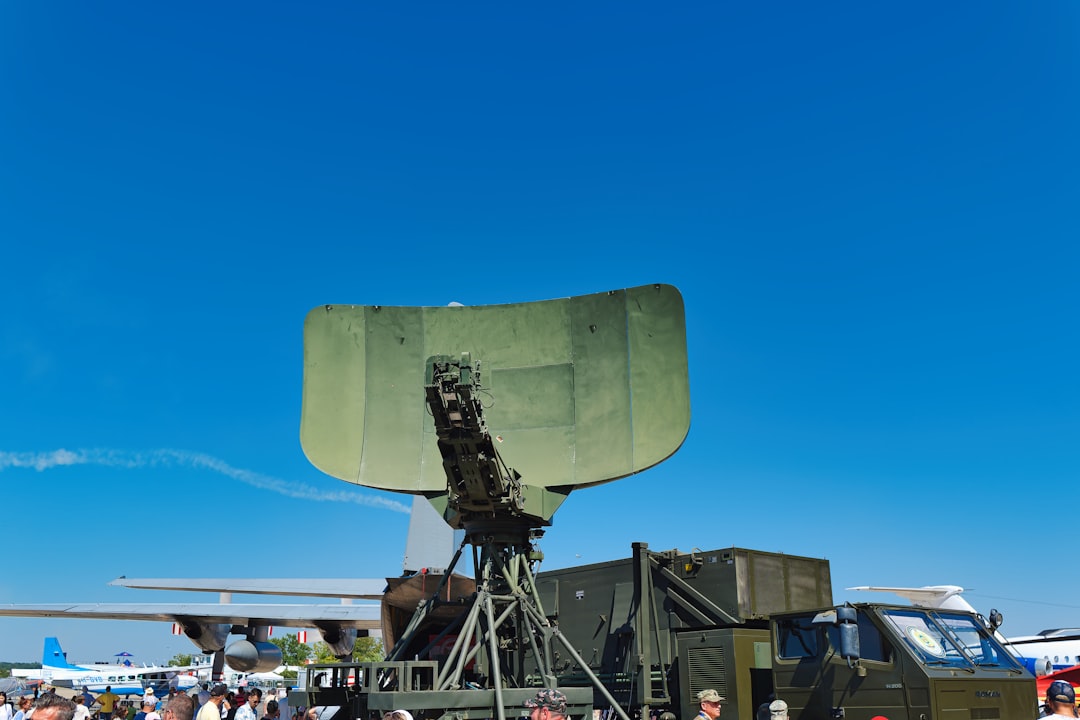
Iran has launched 500+ ballistic missiles and 2,000+ drones in 96 hours, according to satellite imagery analysis. Each THAAD interceptor costs $12 million. Iranian ballistic missiles cost a fraction of that figure.
The production math creates a structural problem. The US manufactures 6-7 interceptors per month. Iran produces roughly 100 ballistic missiles monthly, according to defense intelligence estimates.
Regional interceptor stockpiles contain 1,000-2,000 missiles across all Gulf bases. At current consumption rates, that pool could be exhausted within weeks if Iran maintains its launch tempo.
General Patricia Caine pushed back on interceptor concerns, telling reporters the US has “sufficient precision munitions for the task at hand.” But Senator Mark Kelly’s classified briefing reportedly contradicted Pentagon public confidence about defensive capacity.
Competing Military Assessments
Pentagon data shows Iranian missile launches dropped 86% from Day 1 levels after US forces destroyed 300+ launchers and 200+ air defense systems. Drone launches fell 73%.

B-1B Lancers conduct deep strikes with near-impunity, suggesting American air superiority over Iranian airspace. Iranian missile crews abandon launchers after single shots, according to battle damage assessments.
The Foundation for Defense of Democracies argues the “hunt the archer, not catch the arrows” doctrine is working. Destroy the launchers faster than Iran can replace them, and the interceptor deficit becomes irrelevant. But Iranian Defense Minister Brigadier General Mohammad Reza Ashtiani told Press TV that underground missile facilities remain “fully operational” and that surface launcher destruction was “anticipated and accounted for” in operational planning.
But the Al Udeid breach suggests a different reality. Iran retains enough offensive capacity to penetrate American defenses at strategically chosen moments. Underground facilities may preserve deeper missile reserves than Pentagon estimates acknowledge.
The honest assessment requires weighing two competing data sets. Tactical destruction rates support Pentagon optimism. Production mathematics and successful penetrations support skeptical analysis.
Neither assessment is complete without the other. The Al Udeid missile that broke through air defenses landed exactly where Iran wanted it to.