Iran’s New Supreme Leader: Hormuz Stays Closed, US Bases Must Go
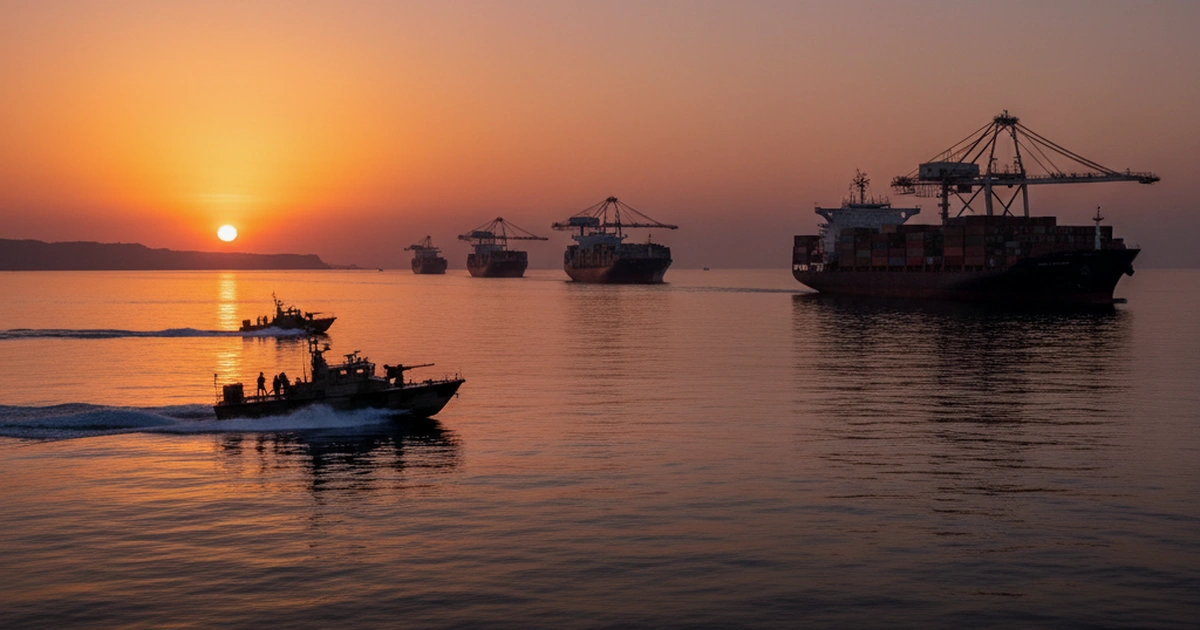
- Ayatollah Mojtaba Khamenei issued his first directive as Iran’s Supreme Leader maintaining the Strait of Hormuz blockade
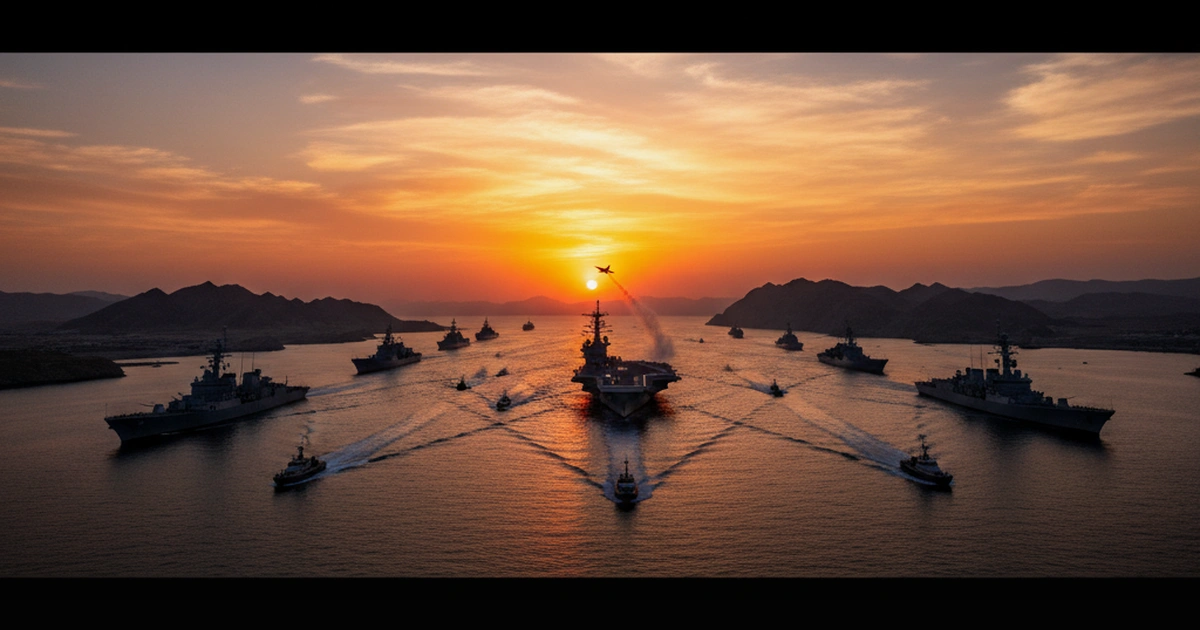
- The order demands closure of all US military bases in the Persian Gulf within 90 days
- Iran’s leadership transition occurred without public announcement
Ayatollah Mojtaba Khamenei’s first act as Iran’s Supreme Leader was a two-line directive: maintain the Strait of Hormuz blockade and demand US withdrawal from regional bases within 90 days.
The 54-year-old son of Ali Khamenei assumed power following his father’s death, marking Iran’s first leadership transition since 1989. The succession occurred without public ceremony.
The Succession Signal
Mojtaba Khamenei’s directive reached military commanders and regional governors through encrypted channels typically reserved for wartime communications. The message contained no biographical introduction or political preamble.
The younger Khamenei spent years managing his father’s office operations and coordinating with the Islamic Guards Corps. Unlike his father’s gradual rise through clerical ranks, Mojtaba inherited direct authority.
The Assembly of Experts has not convened to formally ratify the succession. Iranian law requires the Assembly’s approval, but wartime provisions allow temporary assumption of authority.
The Strategic Calculation
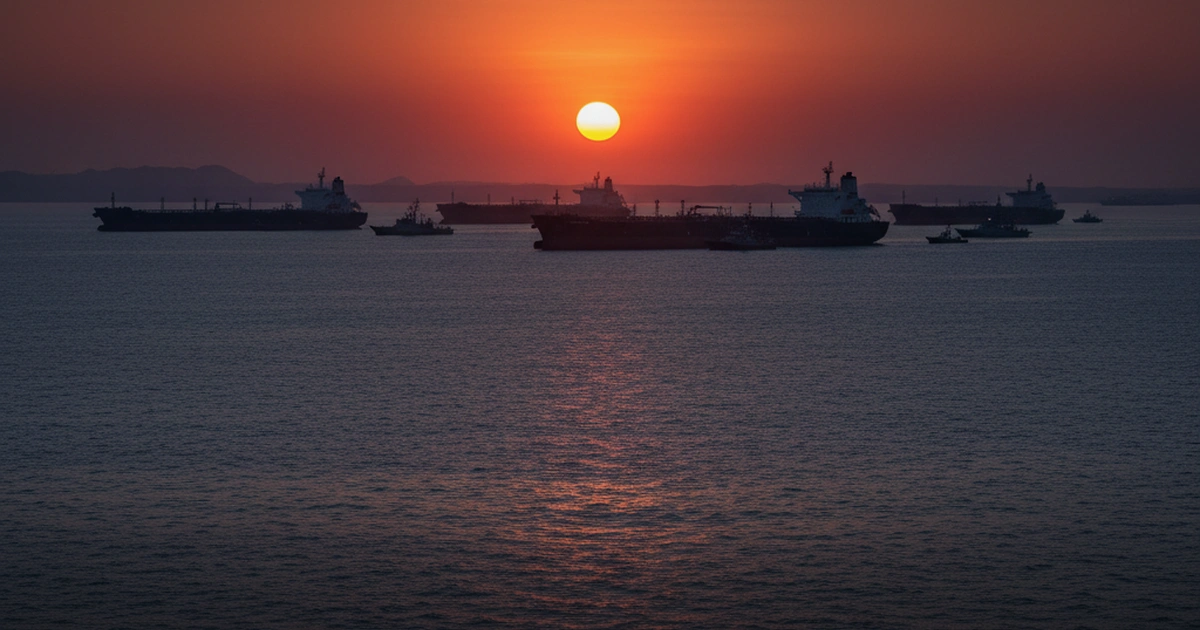
Iran’s Hormuz blockade has reduced daily ship transits from 90 to under 15 since March 2024. The new directive extends the closure indefinitely, eliminating previous suggestions of conditional reopening.
The 90-day deadline for US base closures targets installations in Qatar, Bahrain, Kuwait, and the UAE. Combined, these facilities house approximately 45,000 American personnel and serve as staging areas for regional operations.
Mojtaba Khamenei’s approach differs from his father’s incremental escalation strategy. Where Ali Khamenei issued conditional threats, the son’s directive contains no negotiating language or escape clauses.
The timing coincides with Iran’s oil reserves declining to 15-month lows and mounting pressure from domestic hardliners. Iran’s economy has contracted 8.2 percent since sanctions intensified following the Hormuz closure.
US Response and Regional Stakes
Pentagon officials dismissed Iran’s base closure demand as “unrealistic” and confirmed no plans to alter regional deployments. “Iran lacks the capability to enforce such ultimatums,” Joint Chiefs Chairman General Charles Brown stated at a December 19 briefing. Regional allies expressed concern about escalation while maintaining support for US presence. UAE Foreign Minister Abdullah bin Zayed called for “diplomatic solutions” during emergency talks in Abu Dhabi.
The 90-day deadline creates forced choices for regional allies hosting US forces. Qatar and Bahrain depend on American security guarantees, while the UAE has $87 billion in bilateral trade relationships at stake.
The 90-Day Test
Iran’s Guards Corps fuel reserves for maintaining the Hormuz blockade last approximately four more months without resupply. Reopening the strait to Iranian tankers would require lifting the same blockade Mojtaba Khamenei just vowed to maintain.
The new Supreme Leader faces pressure from hardline clerics who view any compromise as weakness following decades of sanctions. Moderate factions within Iran’s parliament have called for negotiation but lack influence over military decisions.
Either Iran blinks first, or the 90-day countdown ends with the region’s first direct confrontation between US forces and the Islamic Republic’s new leadership.