US Strikes Iran’s Oil Hub But Spares the Wells
- The US bombed military targets on Kharg Island, Iran’s main oil export hub, while deliberately avoiding oil infrastructure
- Six US airmen died when their KC-135 tanker crashed in Iraq, bringing the US death toll to 13
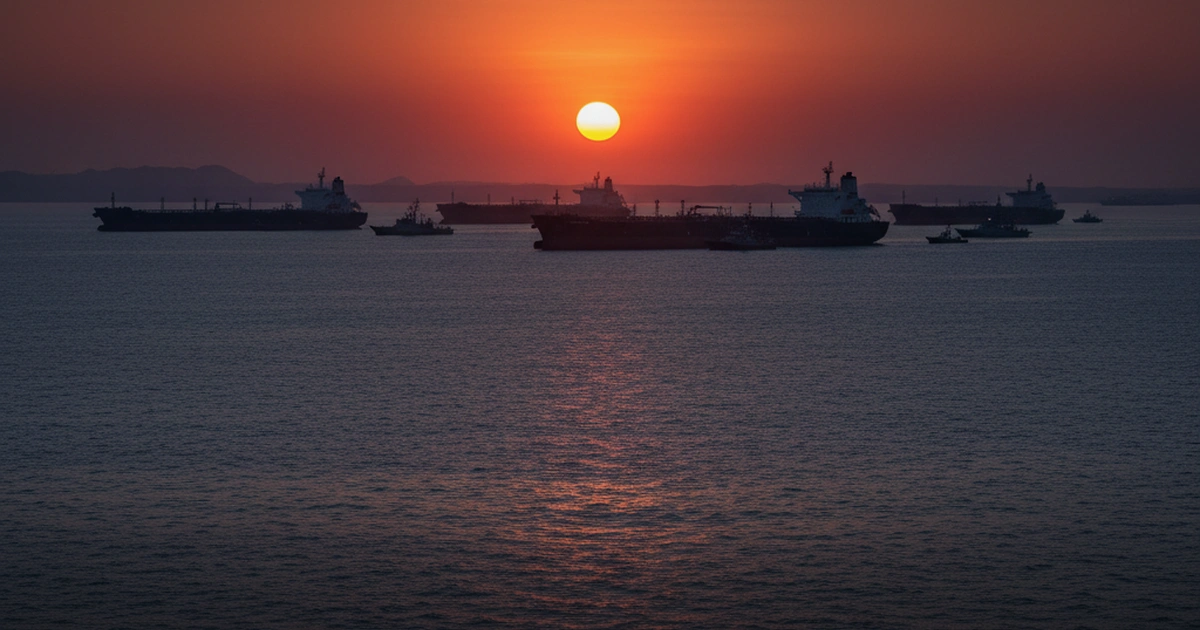
- Oil prices held above $100 for the second day as Iran maintains its stranglehold on the Strait of Hormuz
Trump bombed Iran’s most valuable piece of real estate on March 13. He just didn’t destroy it.
The US struck over 90 military targets on Kharg Island, Iran’s main oil export terminal that handles 90% of the country’s crude exports. But American bombs carefully avoided the oil wells, pipelines, and loading facilities that make the island worth $200 billion annually.
“We have chosen NOT to wipe out their oil infrastructure,” Trump announced, making the restraint explicit.
The distinction matters. Kharg Island processes 2.5 million barrels per day. Destroying its oil facilities would cripple Iran’s economy but send global oil prices toward $200 per barrel. Hitting only the military targets keeps Iran’s revenue flowing while eliminating the air defenses and missile batteries that protect the island.
The Strategic Calculation
The Kharg Island strikes reveal Trump’s economic calculation. Oil closed at $103.14 per barrel on March 13, already straining global markets. Destroying Iran’s oil infrastructure would triple those prices within days.
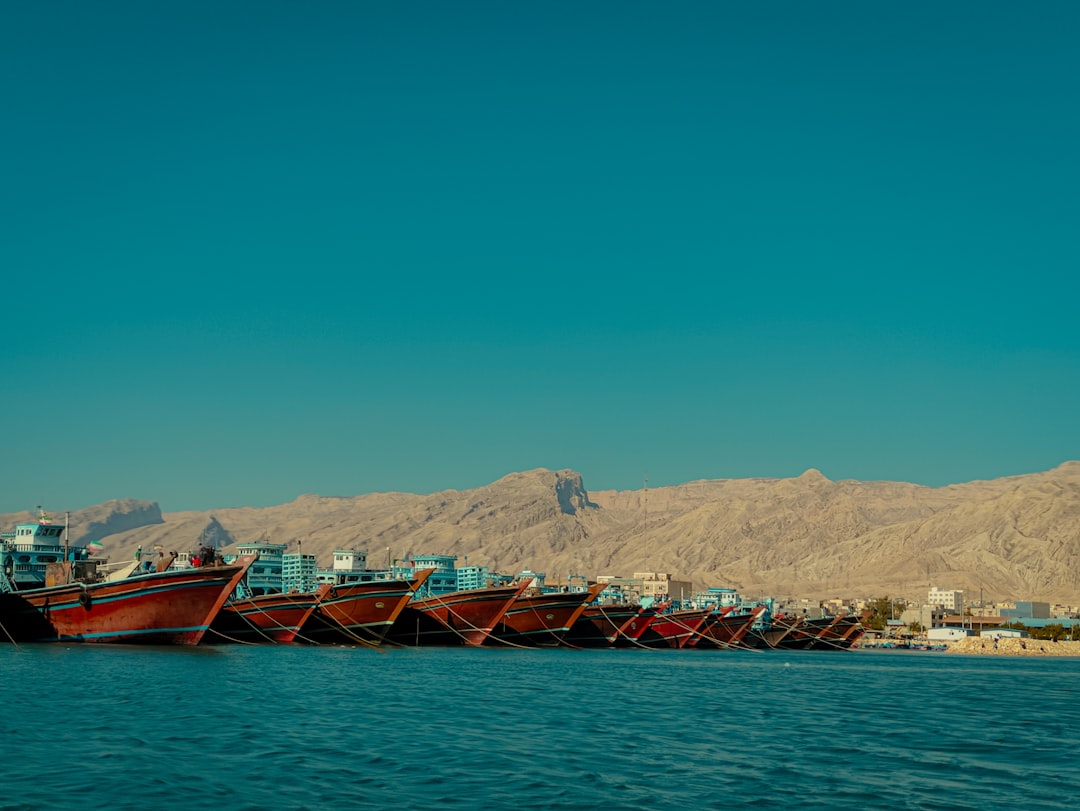
Instead, Trump targeted the island’s military installations while leaving the oil flowing. The message to Tehran: we can destroy your economy whenever we choose.
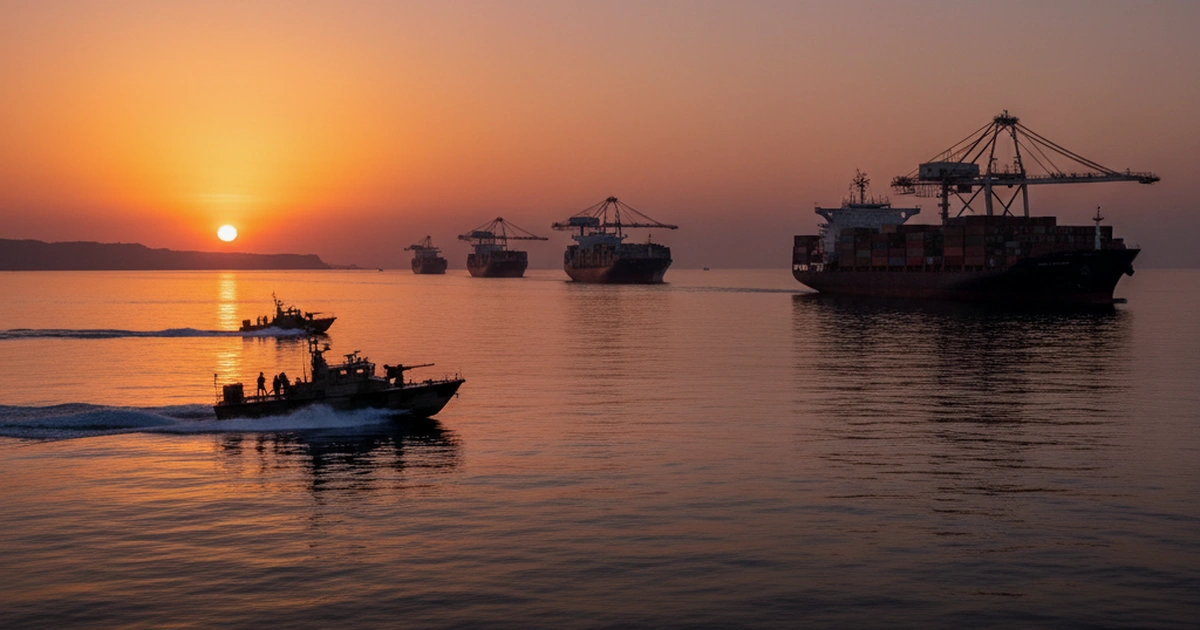
Iran responded with its own threat. Tehran warned it would reduce US-linked oil facilities to “ashes” if attacks continue. That threat carries weight. Iran has already collapsed shipping through the Strait of Hormuz to single digits per day, down from the normal 90 ships.
The Pentagon admits it underestimated Iran’s ability to control Hormuz. General Caine briefed reporters that missile attacks define the shipping risks, forcing the US to plan naval escorts for any tankers attempting passage.
Meanwhile, Israel conducted its own precision campaign. Using informants inside Iran, Israeli forces struck checkpoints and security installations. The IDF dropped 200 bombs on regime security headquarters in Tehran, Shiraz, and Ahvaz simultaneously.
The Growing Cost
The war’s human cost mounted on March 13. All six crew members of a KC-135 tanker from Ohio’s 121st Air Refueling Wing died when their aircraft crashed during a refueling mission over Iraq.
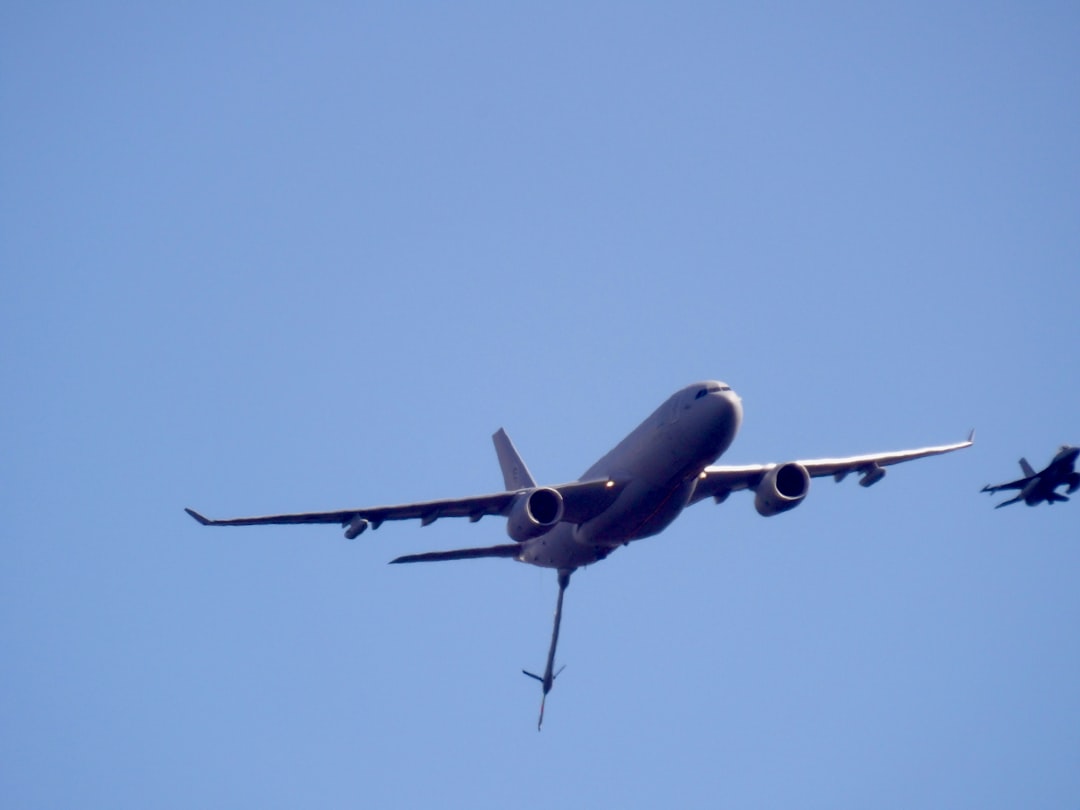
That brings the US death toll to 13 with 140 wounded. A second KC-135 landed at Ben Gurion Airport with a damaged stabilizer, highlighting the strain on aerial refueling operations that keep the bombing campaign running.
Defense Secretary Hegseth claimed American air defenses are downing 90% of Iranian missiles and 95% of drones. But Iran’s asymmetric strategy doesn’t depend on overwhelming US defenses. It depends on making the war too expensive to sustain.
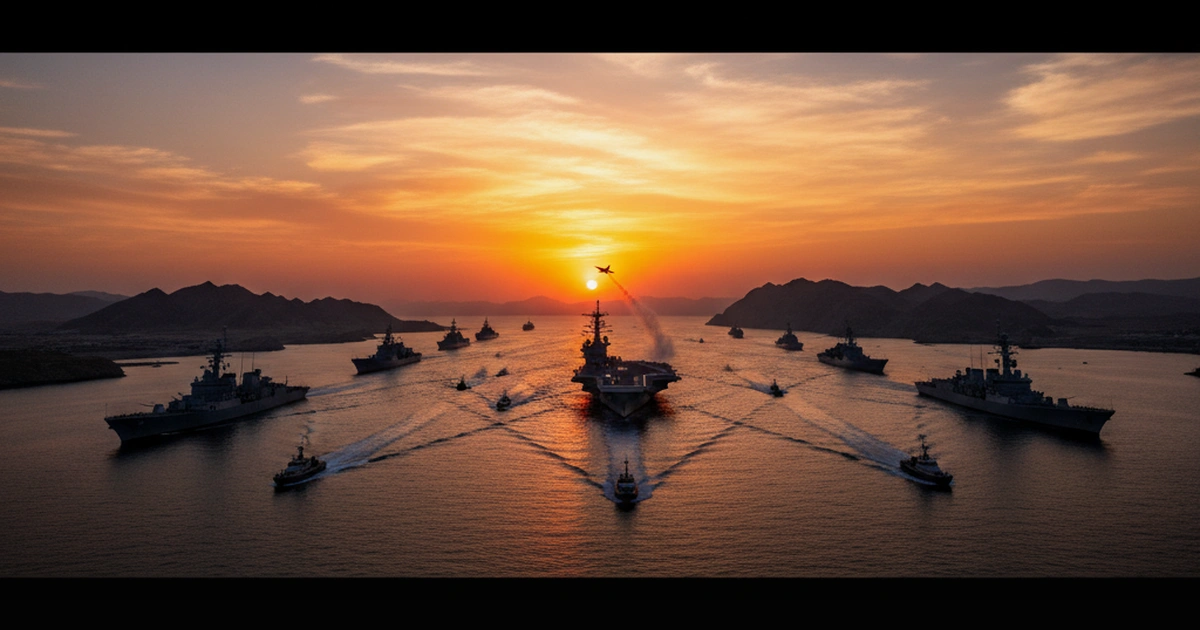
The Pentagon is sending 2,500 Marines from the 31st Marine Expeditionary Unit aboard the USS Tripoli to reinforce Gulf positions. That deployment signals the military’s assessment that the conflict will extend well beyond the initial two-week timeline.
The Escalation Trap
Trump’s Kharg Island strategy reflects a broader dilemma. White House aides are competing to influence the war’s direction as an exit strategy remains elusive. The president can destroy Iran’s oil infrastructure but not without crashing the global economy. He can spare the wells but not without letting Iran’s revenue fund continued resistance.
Iran understands this trap. By maintaining its Hormuz blockade while keeping oil exports flowing through Kharg Island, Tehran forces Trump to choose between economic catastrophe and military frustration. The State Department ordered US personnel to leave Oman as the war spreads across the Gulf.
The bombing of Kharg Island without destroying its oil capacity reveals the limits of American power. Trump can hit any target in Iran. He cannot hit them all without destroying the global economy he promised to protect.