A-10s Hunt Iranian Boats as War Expands to Kuwait
- US A-10 Warthogs hunt Iranian fast-attack boats in the Strait of Hormuz
- Iran struck Kuwait’s Mina Al-Ahmadi refinery with drones
- Israel expanded evacuation warnings for southern Lebanon
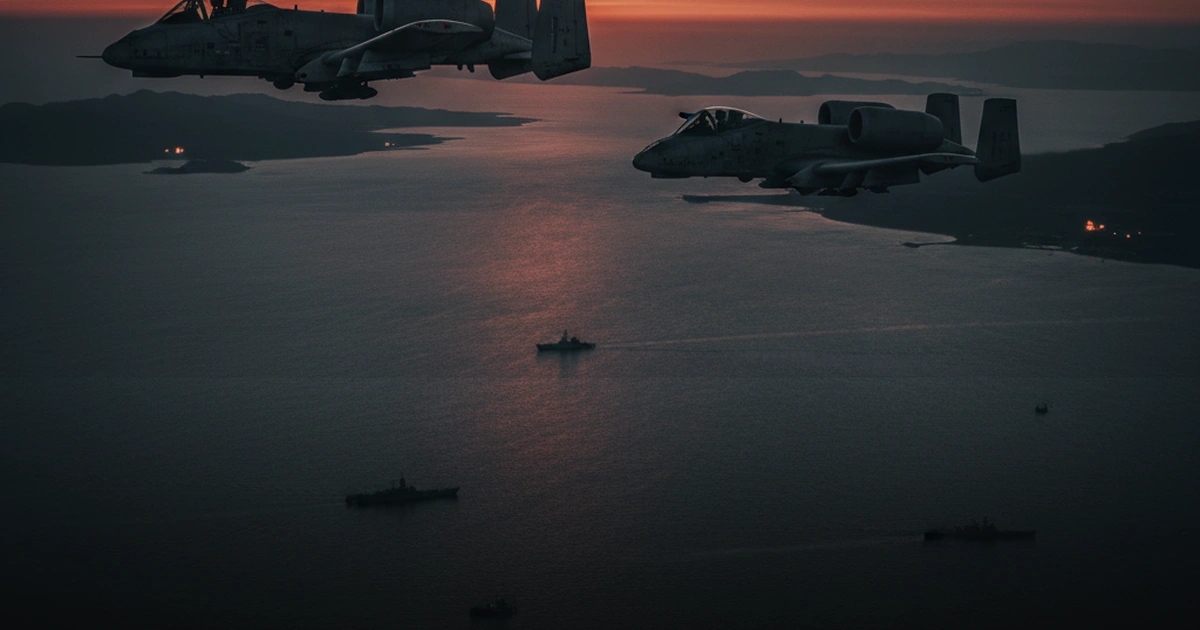
US Air Force A-10 Warthogs hunt Iranian fast-attack boats in the Strait of Hormuz. Iran escalated beyond Israeli targets for the first time, striking Kuwait’s main oil refinery on March 20.
The tactical wins in Hormuz came with strategic complications. A-10s targeted watercraft while Iranian mine-laying vessels continued operating the same day. The gap between eliminating boats and controlling the waterway became clear when Iran hit Gulf Arab infrastructure.
The Kuwait Strike
Iranian drones struck Kuwait’s Mina Al-Ahmadi refinery, causing fires in processing units. The facility processes 466,000 barrels per day. This is 15% of Kuwait’s total refining capacity.
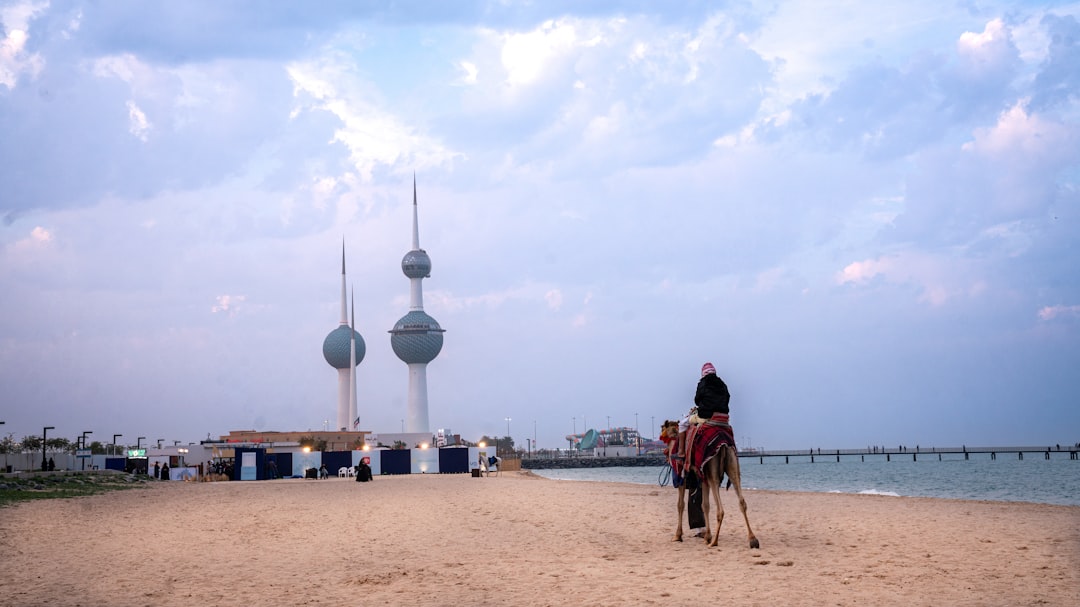
Iran attacked Gulf Arab infrastructure for the first time since the conflict began 23 days ago. Previous strikes targeted Israeli cities and US military bases. Iran avoided oil facilities of non-combatant neighbors.
Brig. Gen. Ramezan Sharif defended the strikes as “legitimate targets,” according to Tasnim News Agency. Facilities supporting US military operations became valid targets under international law, Sharif argued.
The timing was deliberate. Iran launched its 62nd wave of strikes on Tel Aviv and Haifa the same day. Iran coordinated the Kuwait refinery hit with its broader escalation pattern.
Kuwait hosts US forces at Camp Arifjan and Ali Al Salem Air Base. The refinery strike forces Kuwait to choose between demanding US protection or distancing itself from the coalition to avoid further attacks.
The Hormuz Theater
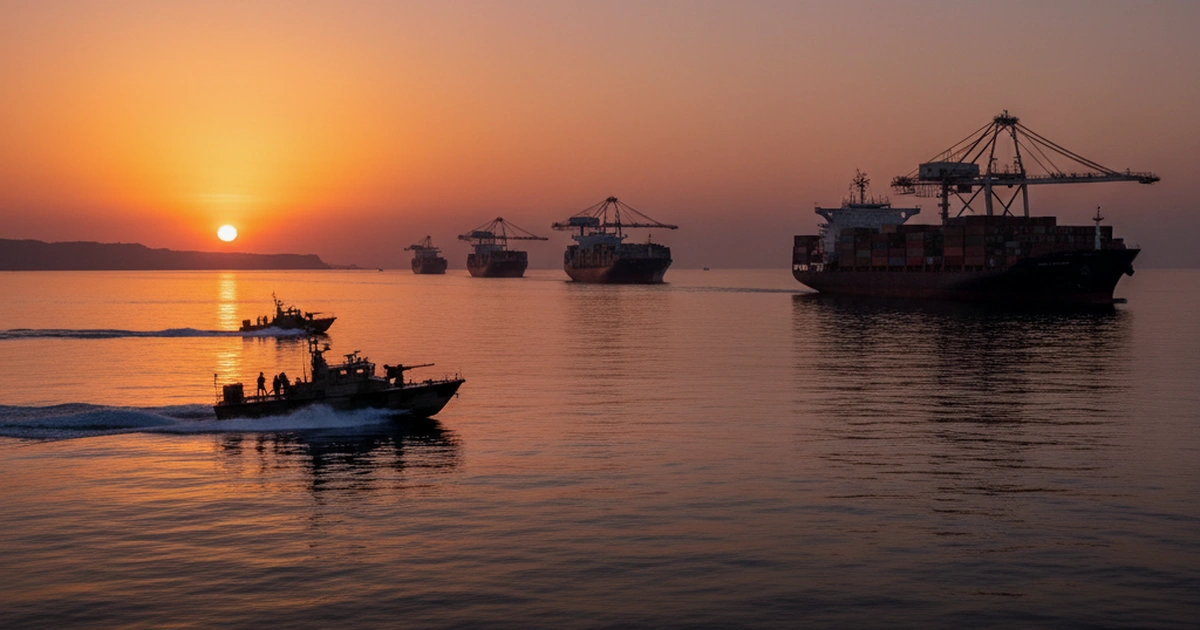
Low-flying A-10 Warthogs hunt and kill fast-attack watercraft operating in the Strait, General Dan Caine confirmed. The tank-busting aircraft proved effective against small, fast boats that larger naval vessels struggle to track.
Trump launched the offensive to reopen the Strait after 20 days of Iranian disruption. The A-10 missions represent the most aggressive US interdiction effort since the blockade began.
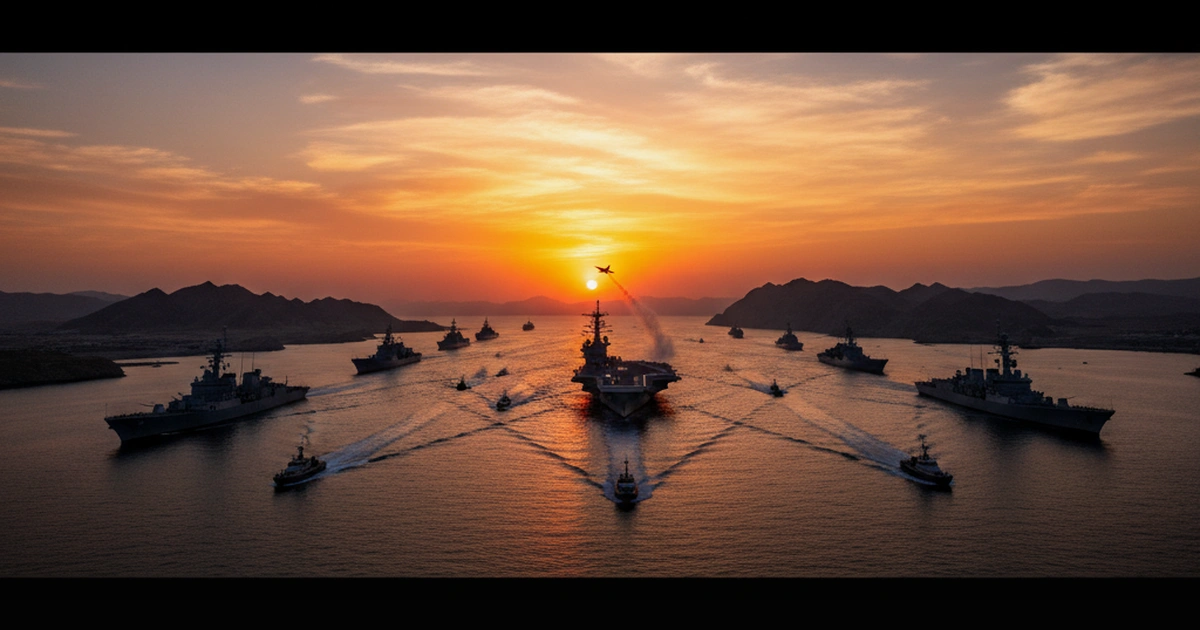
Iranian mine-laying continued. US forces targeted the mine-laying vessels while A-10s hunted the fast-attack boats. This created a two-front maritime battle within the 21-mile-wide chokepoint.
Iranian forces sank three US patrol boats in retaliation, naval commanders claimed according to Press TV. US sources have not verified the claims. General Caine acknowledged “personnel losses” in the operation.
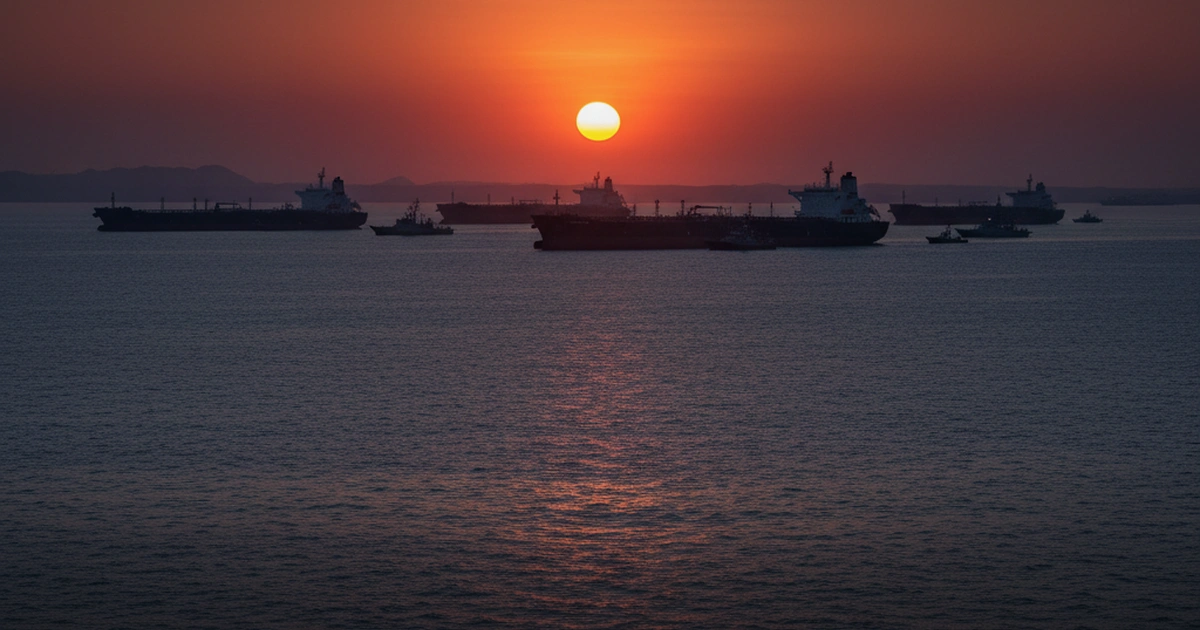
The potential for complete blockade could disrupt global supply chains carrying 20% of the world’s oil. Each day of disruption costs the global economy $200 billion in delayed shipments and energy price spikes.
Maritime security analysts warn that Iran’s asymmetric naval strategy favors the defender in confined waters. The Islamic Guard Corps Navy maintains over 100 fast-attack craft designed for Strait operations.
The Coalition Fracture Test
Israel expanded evacuation warnings for southern Lebanon beyond previous boundaries. The IDF warned it would target any area where Hezbollah operates. This effectively covers most of southern Lebanon.
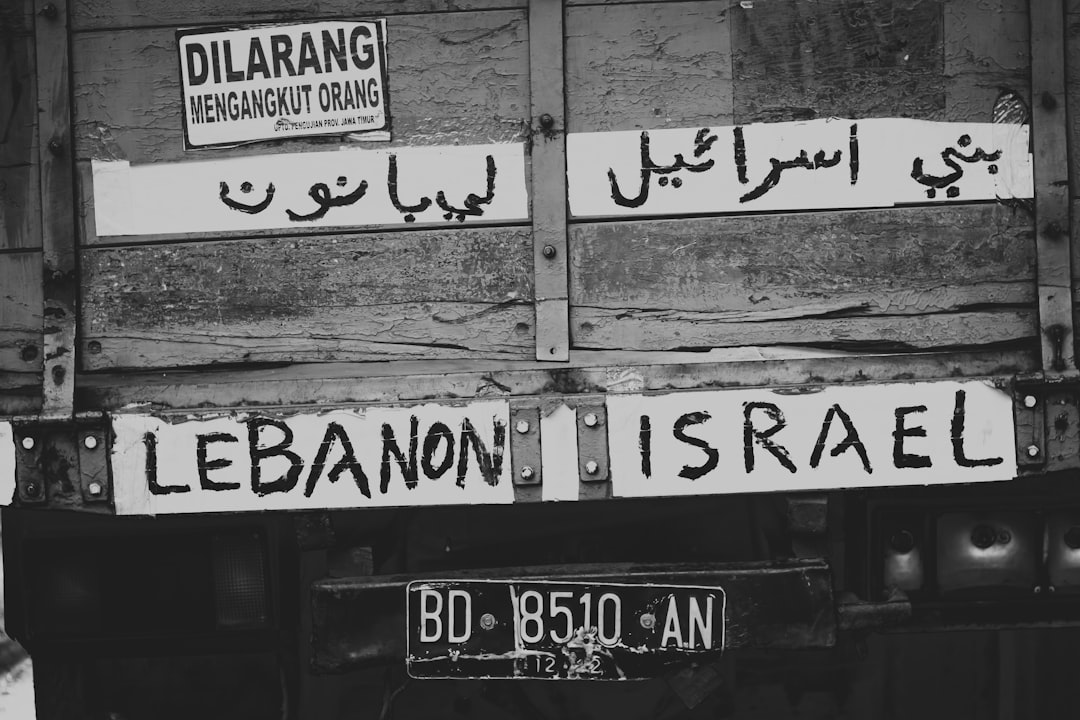
The timing suggests coordination with US Hormuz operations. Israel may be preparing a second front while US forces engage in the Gulf. This stretches Iranian defensive resources across multiple theaters.
Cracks appeared behind public unity. Trump complained to Netanyahu about an unauthorized Israeli strike on Iran’s South Pars gas field, administration sources say. Israel conducted the strike without US approval. It hit critical energy infrastructure Trump wanted preserved for post-war reconstruction.
Iran released first-ever video footage of Supreme Leader Ali Khamenei’s son Mojtaba in a classroom setting. The public appearance of the likely successor suggests regime confidence despite three weeks of sustained strikes.
The Kuwait refinery attack changes the coalition calculus. Gulf Arab states now face direct economic damage for hosting US forces. Iran demonstrated it can hit critical infrastructure across the region, not just Israeli cities.
Regional defense experts note the escalation pattern mirrors Iran’s 1980s tanker war tactics. Tehran targeted neutral shipping to internationalize pressure on adversaries. The strategy worked then by forcing global intervention to protect commerce.