Trump Eyes Kharg Island Invasion as Iran Tightens Strait Control
- Trump administration enters ground operations planning phase for potential takeover of Iran’s Kharg Island oil terminal
- Iran launches 67th missile wave while implementing ship vetting system for Strait of Hormuz transit
- Under 100 ships have passed through the strait since early March, down from normal traffic of 90 per day
The White House is weighing ground operations against Kharg Island, Iran’s primary oil export terminal, as Tehran tightened its stranglehold on global energy flows through the Strait of Hormuz. The risky escalation comes as Iran launched its 67th missile wave targeting US and Israeli bases while implementing a ship vetting system for commercial vessels.
The Kharg Island Option
Trump’s consideration of ground operations marks the first time the administration has moved beyond air strikes to direct territorial seizure. Kharg Island processes 90% of Iran’s oil exports and sits 25 miles off the Iranian coast in the Persian Gulf.
The planning phase comes as five European nations and Japan signaled readiness to contribute forces for securing the Strait of Hormuz. Trump has demanded NATO allies help reopen the waterway as oil prices remain elevated despite alliance discussions on boosting alternative supply.
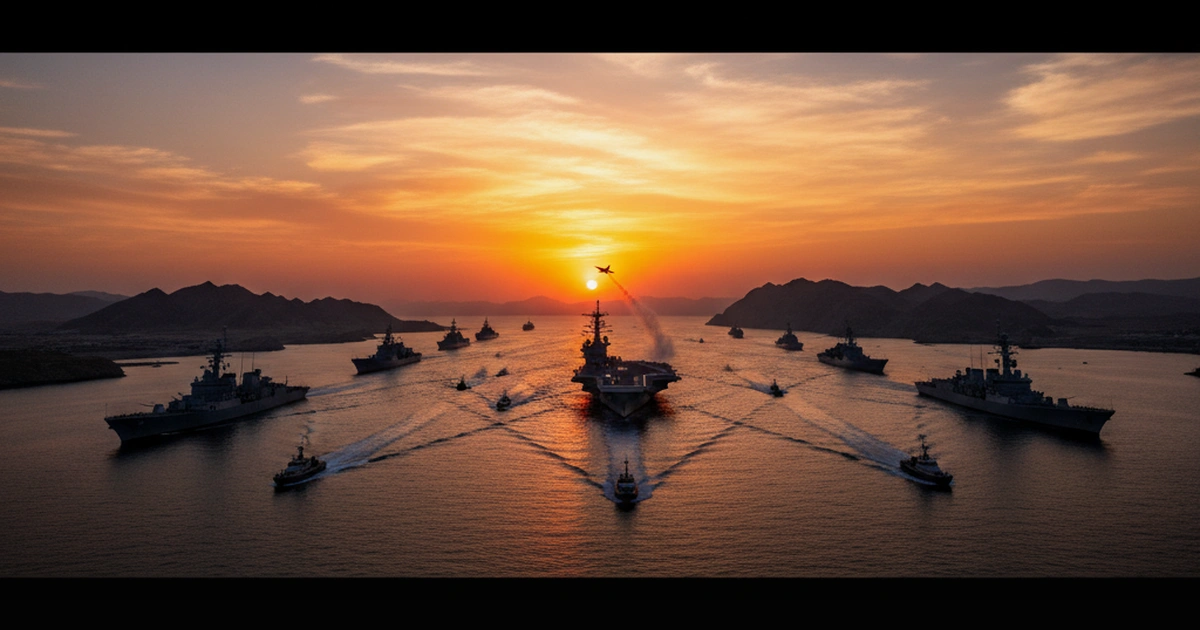
The US deployed three warships and 2,500 Marines to the region while targeting 16 Iranian mine-laying vessels in the strait. CENTCOM released targeting video of the strikes.
Iran’s Escalation Calculus
Iran’s response has been methodical escalation rather than retreat. The IRGC’s 67th missile wave at 12:48 PM UTC targeted Ali Al-Salem Air Base, Al-Wafa Base, and Israeli satellite facilities with heavy missiles and drone swarms.
Iranian Foreign Ministry spokesman Nasser Kanani said the ship vetting system “ensures legitimate commerce while protecting Iran’s territorial waters,” according to state media IRNA. Kanani defended Iran’s response as proportional to what he called “illegal attacks on civilian infrastructure.”
The timing wasn’t coincidental. IRGC spokesman Ali Mohammad Naeini was killed in a US-Israeli strike shortly after rebuffing Netanyahu’s claim that Iran couldn’t produce ballistic missiles. The IRGC confirmed Naeini’s death and warned the war would continue “until the enemy is exhausted.”
Tehran’s ship vetting system represents a shift from blocking the strait to controlling it. Under 100 ships have transited since early March, compared to the normal 90 per day. Iran warned of zero restraint if energy facilities are attacked, while threatening world tourism sites.
International Diplomatic Divide
China’s Foreign Ministry called for “immediate de-escalation” and criticized what spokesman Wang Wenbin termed “unilateral military actions that threaten regional stability.” Beijing urged dialogue over confrontation in the Persian Gulf crisis.
Russia’s Deputy Foreign Minister Sergei Ryabkov said Moscow views any ground invasion of Iranian territory as “crossing a dangerous threshold that could destabilize the entire region,” according to TASS news agency. The Kremlin called for UN Security Council intervention.
European allies remain split. While Britain and France support securing the strait, Germany’s Chancellor Olaf Scholz cautioned against “military adventures that could spiral beyond control.”
The 48-Hour Calculation
Trump claimed the US has “militarily won” while Iran’s regime remains intact but militarily degraded. The contradiction explains the Kharg Island calculus: air strikes haven’t reopened the strait, but seizing Iran’s main oil terminal would force Tehran’s hand.
The math is stark. Iran’s Karaj Missile Plant was decimated, yet the IRGC launched wave 67. Qatar’s Ras Laffan facility remains 17% offline for five years. Six Indian nationals were killed in the conflict as Iran’s reach expanded beyond the Gulf.
Ground operations on Kharg Island would cross Tehran’s clearest red line: direct occupation of Iranian territory. The question isn’t whether Iran would escalate. It’s whether Trump believes seizing the oil terminal is worth finding out how.