Iran Downs US Fighter Jet as Pilot Search Becomes Race Against Time
- Iran shot down a US fighter jet on April 3, marking its first confirmed air victory 36 days into the conflict
- One pilot was rescued by US forces while search operations continue for the second crew member
- Iran claims to have downed two jets, contradicting US accounts of a single aircraft loss
Iran achieved its first major air victory against US forces on April 3, shooting down an American fighter jet and triggering an urgent search operation for a missing pilot. The incident marks a significant escalation in Iran’s defensive capabilities after more than five weeks of sustained US airstrikes.
US forces rescued one pilot from the downed aircraft. Search operations are now underway for the second crew member, with both American and Iranian forces racing to locate the missing aviator first. The shootdown represents Iran’s most tangible military success since the conflict began on February 26.
The Shootdown
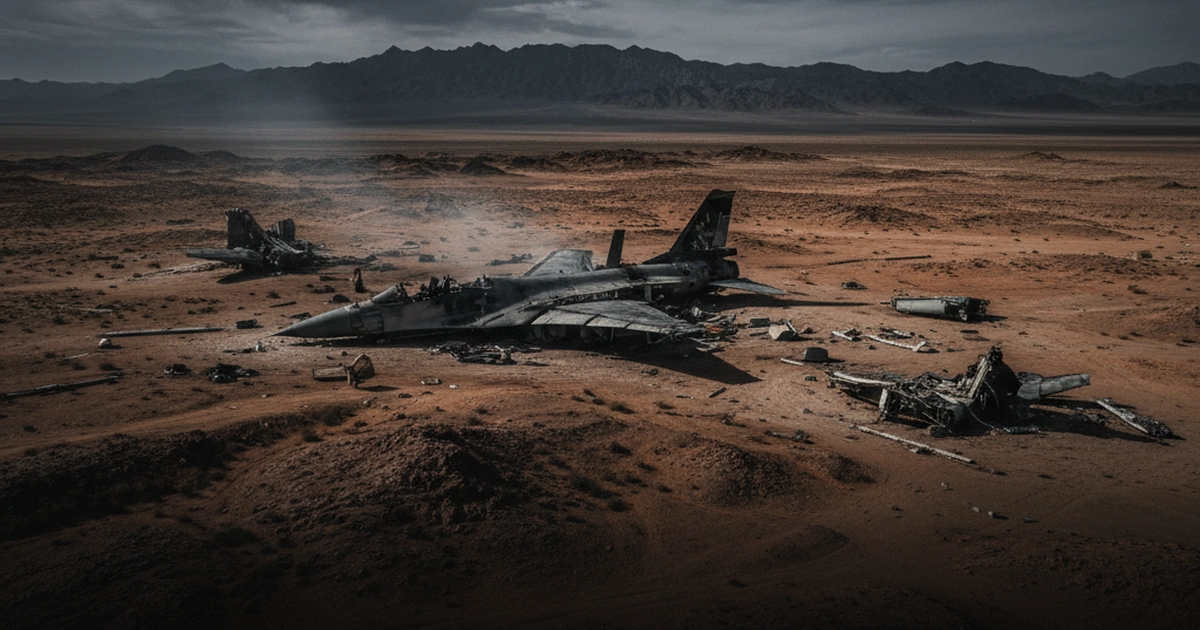
The fighter jet went down over Iranian territory during combat operations on April 3. US officials confirmed one pilot was successfully extracted while acknowledging ongoing search efforts for the second crew member. Iranian forces have launched their own search operations in the same area.
Iran claims to have downed two separate US aircraft. Tehran asserts it shot down both an F-15 and an A-10, contradicting US accounts that acknowledge only one aircraft loss. The discrepancy suggests either conflicting battlefield assessments or deliberate information warfare by one side.
The timing coincides with Iran’s broader defensive surge. Iranian missile debris damaged an Israeli factory during recent strikes, while cluster munitions fired at Israel wounded one person. These coordinated actions suggest Iran is demonstrating renewed offensive capability despite weeks of bombardment.
Tehran’s Strategic Victory
The shootdown provides Iran with crucial propaganda value after 36 days of defensive operations. Iranian leaders joined crowds on Tehran’s streets in a show of defiance following the aircraft downing. The public display signals confidence in Iran’s ability to inflict costs on US forces despite overwhelming American firepower.
Iran’s air defenses have proven more resilient than expected. Reports indicate Iran is recovering bombed missile bunkers within hours of being struck, suggesting sophisticated hardening and rapid repair capabilities. The fighter jet shootdown demonstrates these defensive systems remain operationally effective despite weeks of targeting.
The pilot search creates immediate tactical pressure for both sides. Capturing an American aviator would provide Iran with significant leverage for potential prisoner exchanges or diplomatic negotiations. US forces face time constraints in hostile territory while Iranian search teams operate on familiar ground.
The Escalation Calculus
The aircraft loss forces Washington to recalculate operational risks as the conflict enters its sixth week. Trump stated that with more time, the US “can easily” reopen the Strait of Hormuz and “take the oil” in Iran, suggesting expanded war aims beyond initial objectives.
Regional ceasefire efforts have reportedly hit a dead end, making military solutions more likely. The fighter jet loss occurs as diplomatic initiatives stall and both sides demonstrate continued capability to inflict damage.
The missing pilot’s fate could determine whether this incident becomes a tactical setback or a strategic inflection point in the 36-day conflict.