Trump Issues 48-Hour Iran Ultimatum on Hormuz Closure
- President Trump issued a Tuesday deadline for Iran to reopen the Strait of Hormuz, threatening to bomb power plants and bridges if the waterway remains closed
- Iran rejected new ceasefire proposals from Pakistan and other mediators, calling them insufficient and demanding permanent war termination
- Israeli strikes killed Iran’s IRGC intelligence chief and hit the country’s largest petrochemical complex as the 39-day conflict intensifies
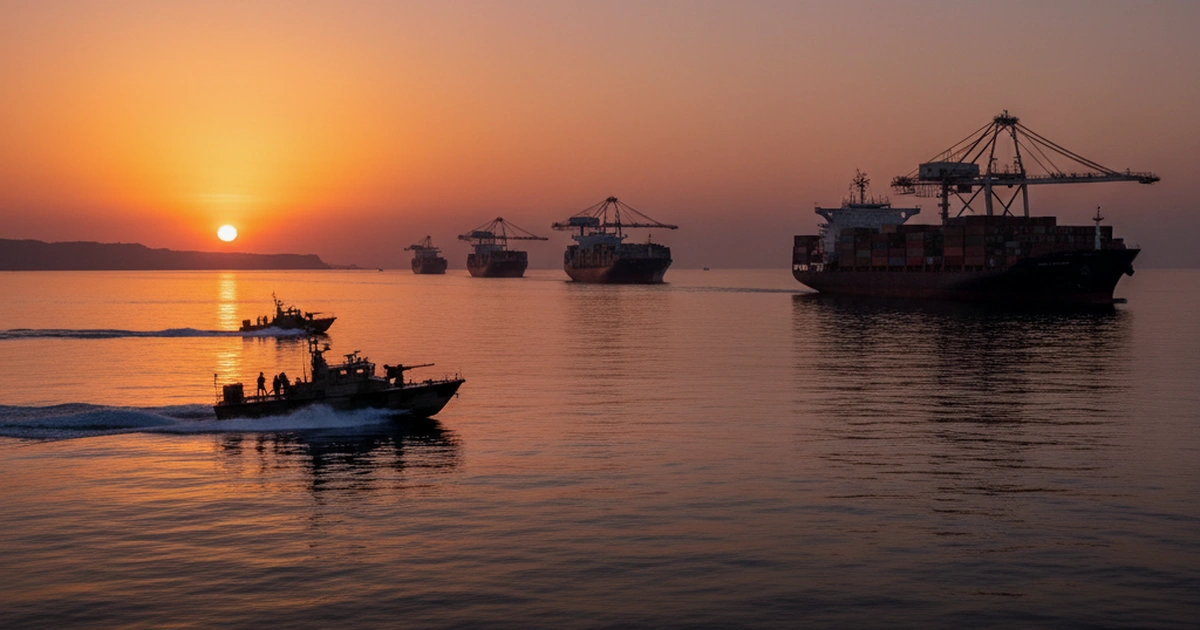
President Trump escalated his threats against Iran on April 6. He set a Tuesday deadline for Tehran to reopen the Strait of Hormuz or face infrastructure strikes. Iran firmly rejected multiple ceasefire proposals. The standoff creates a critical 48-hour window.
Trump’s Infrastructure Threats
Trump threatened to bomb Iran’s power plants and bridges during a White House press conference. “They’ll be living in Hell” if the strait doesn’t reopen by Tuesday, Trump warned.
The threats mark Trump’s most explicit targeting of civilian infrastructure since the conflict began 39 days ago. Power plants and bridges serve dual civilian-military purposes. Such strikes remain contentious under international humanitarian law.
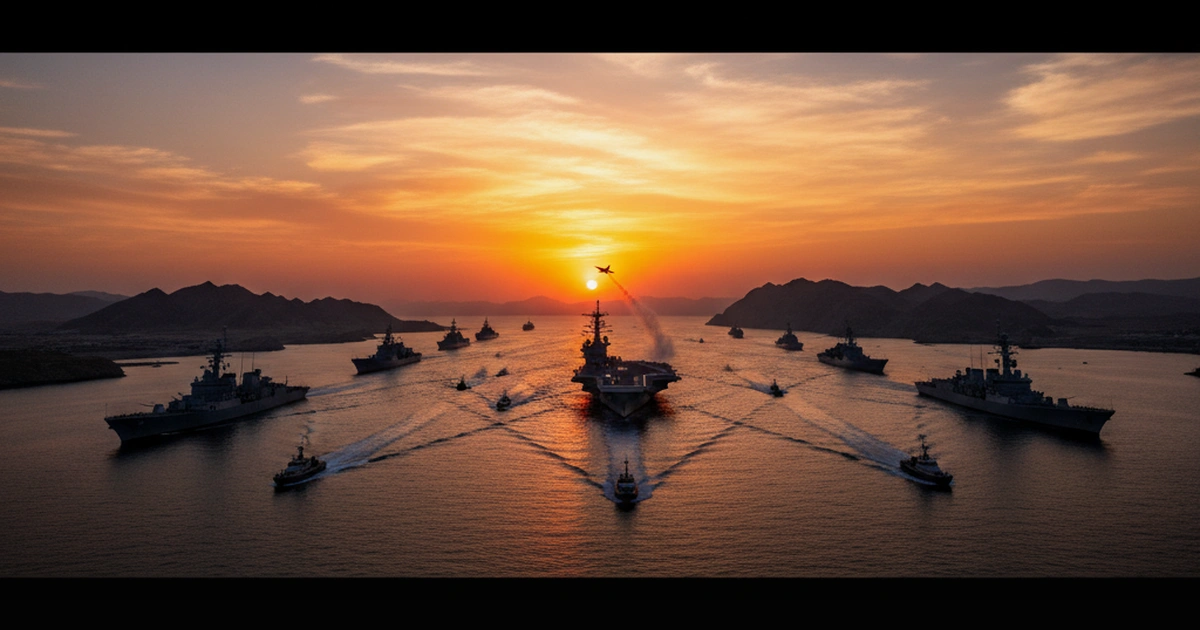
U.S. and Israeli forces are preparing for major strikes should Iran miss the deadline, Hegseth said. The Pentagon has positioned additional assets in the Persian Gulf region in recent weeks.
Contingency plans include targeting Iran’s national power grid and transportation networks, military officials confirmed. The administration views infrastructure strikes as a way to pressure Iranian leadership without direct ground engagement.
Trump’s public threats represent a sharp escalation from previous diplomatic pressure. The 48-hour timeline compresses decision-making cycles for both sides. Previous ultimatums in this conflict have lasted weeks, not days.
Iran’s Rejection
Iran pushed back against Trump’s deadline and rejected new ceasefire proposals from Pakistan and other mediators. Tehran called the proposals insufficient. Iran demands any agreement include permanent war termination, not temporary truces.
The rejected proposals included a 45-day ceasefire and partial reopening of the Strait of Hormuz in exchange for reduced strikes on Iranian territory. Iran’s Islamic Guard Corps said it is formulating new arrangements for the strait that would fundamentally alter its status.
Iranian officials view temporary ceasefires as giving the U.S. and Israel time to rearm and prepare for renewed attacks. “We will not open Hormuz for a temporary pause that allows more weapons to flow to our enemies,” a senior Iranian diplomat told state media.
Iran would consider reopening discussions only if all parties agreed to permanent cessation of hostilities, Foreign Minister Abbas Araghchi stated. The diplomatic stance reflects Tehran’s belief that it can withstand economic pressure longer than military strikes.
Iran’s rejection signals confidence in its defensive capabilities. The country has weathered sanctions for decades and maintains extensive tunnel networks to protect critical infrastructure. Tehran appears to be calculating that infrastructure strikes will prove less damaging than permanent economic isolation from Hormuz closure.
The Critical Window
The Tuesday deadline creates the shortest timeline yet in the escalating conflict. Intelligence analysts note that Iran’s rejection suggests Tehran believes it can withstand additional infrastructure strikes better than economic isolation from prolonged Hormuz closure.
Israeli forces killed Iran’s IRGC intelligence chief and struck the country’s largest petrochemical complex in coordinated attacks ahead of Trump’s deadline. The strikes signal intensifying pressure on Iranian decision-making as the window narrows.
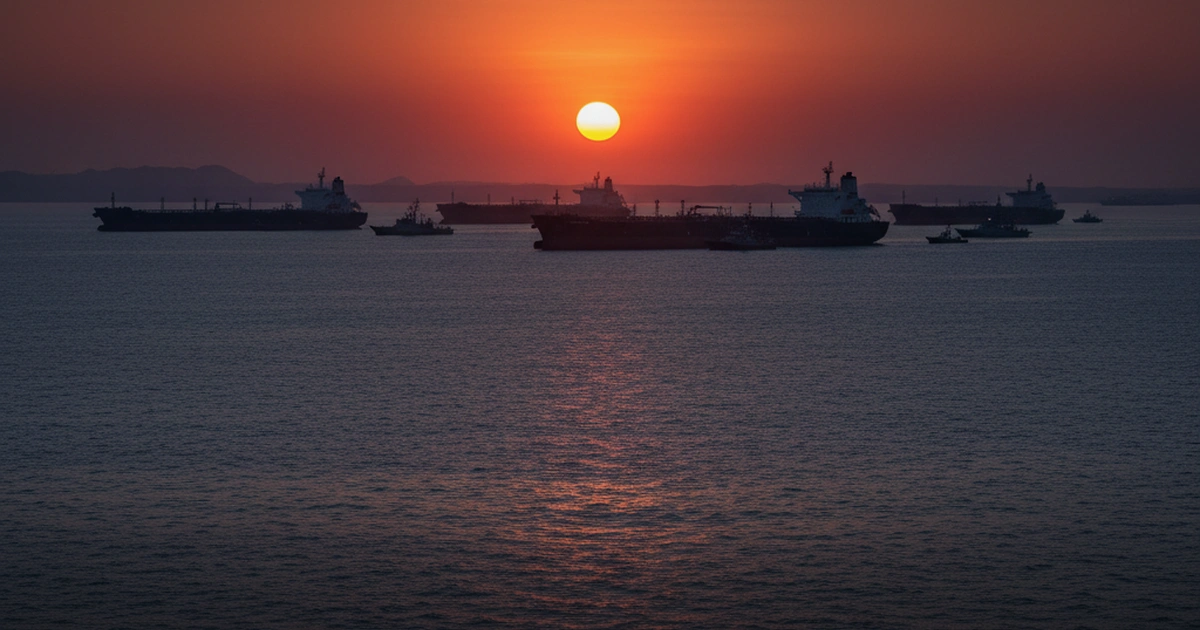
Oil markets remained volatile as traders weighed the likelihood of expanded infrastructure strikes against potential Iranian retaliation. The Strait of Hormuz carries roughly 20% of global oil supplies when fully operational.
Regional allies have urged both sides to step back from the brink. Diplomatic efforts have stalled as both Washington and Tehran prepare for Tuesday’s deadline. The compressed timeline leaves little room for face-saving compromises that might prevent escalation.
Both sides now face domestic pressure to follow through on their positions. Trump risks appearing weak if he extends the deadline without Iranian compliance. Iran’s leadership faces internal criticism if it appears to capitulate to American threats.