Trump Delays Iran Energy Strikes as Both Sides Deny Pause is Real
- President Trump announced a five-day postponement of strikes on Iranian power plants, citing ongoing negotiations
- Both Washington and Tehran publicly denied any formal bombing pause exists despite the announced delay
- Trump’s 48-hour ultimatum for Iran to reopen the Strait of Hormuz expired without Iranian compliance
President Trump announced Monday that the United States would postpone military strikes on Iranian power plants for five days amid what he described as ongoing negotiations. The announcement came as his 48-hour ultimatum for Iran to reopen the Strait of Hormuz expired without Iranian compliance.
The delay marked a notable shift from Trump’s previous threat to “obliterate” Iran’s energy infrastructure if Tehran failed to reopen the critical shipping lane. Yet both sides simultaneously denied any formal pause in military operations exists.
The Contradictory Messaging
Trump’s announcement created immediate confusion as administration officials scrambled to clarify the scope of the delay. The president said the postponement applied specifically to strikes on Iranian power plants and energy infrastructure, while CBS News reported that the ultimatum itself had been “postponed amid negotiations.”
Tehran rejected any suggestion of a bombing pause. Iran threatened to “completely” close the Strait of Hormuz and warned it would target Gulf power plants in response to Trump’s ultimatum. Iranian officials made no mention of ongoing negotiations.
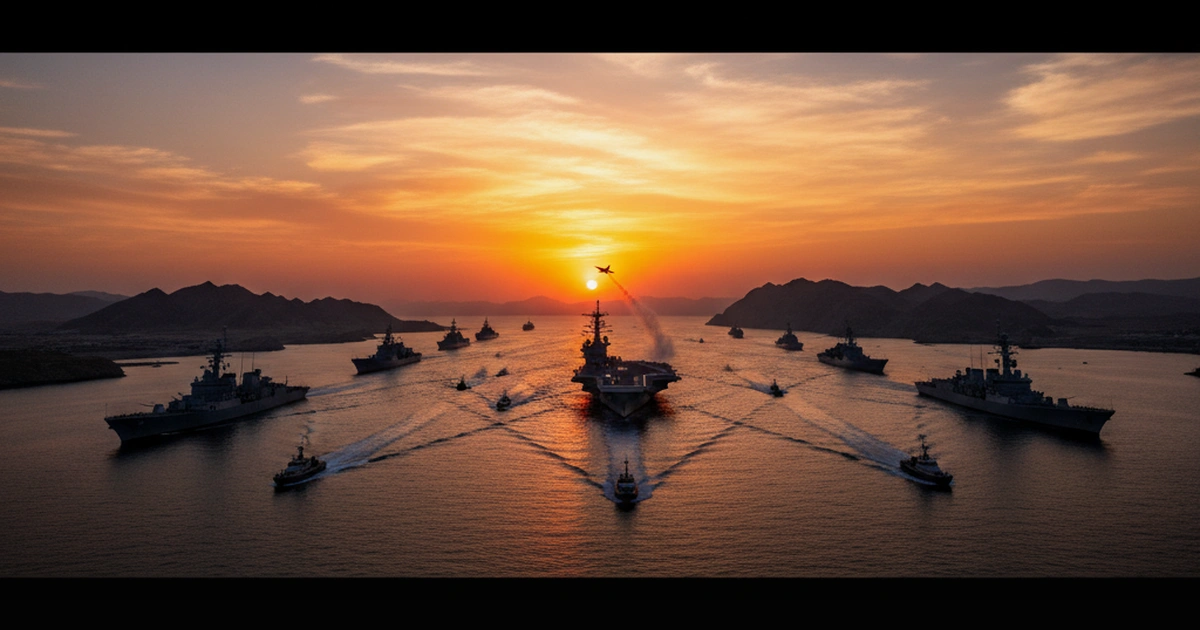
The mixed messaging extended to military operations. CENTCOM announced it had destroyed Iranian intelligence support systems and radars used to track ships in the Strait of Hormuz on the same day Trump announced the pause. The strikes suggested continued military pressure despite diplomatic overtures.
Meanwhile, Iran launched its 70th wave of strikes under Operation True Promise 4, targeting five US military bases. Iranian missiles also struck towns near Israel’s main nuclear research center, injuring more than 100 people.
The Strategic Calculus
The apparent contradiction between Trump’s announced pause and continued military operations reflects the complex pressures both sides face after 24 days of conflict. Oil markets have driven the administration’s calculations, with energy prices spiking after Israeli strikes on Iran’s South Pars gas field.

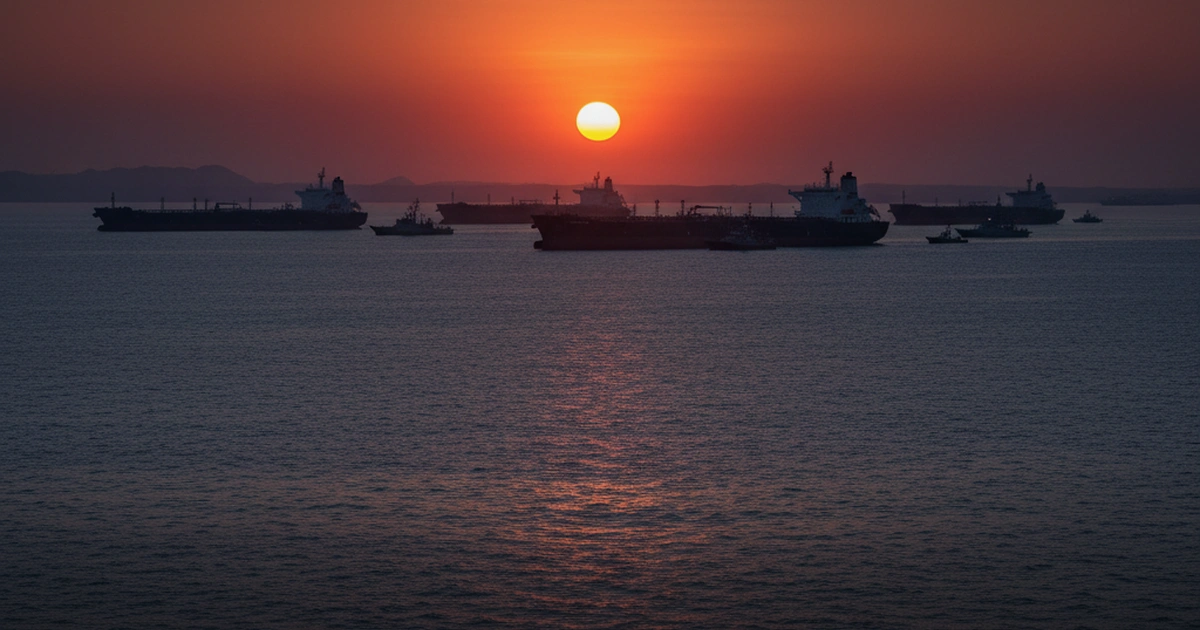
In a significant policy reversal, the Trump administration lifted sanctions on Iranian oil stranded at sea to ease oil prices. The move handed Tehran an economic boost even as military strikes continued. The administration eased Iranian oil sanctions in what officials described as a scramble to contain energy prices.
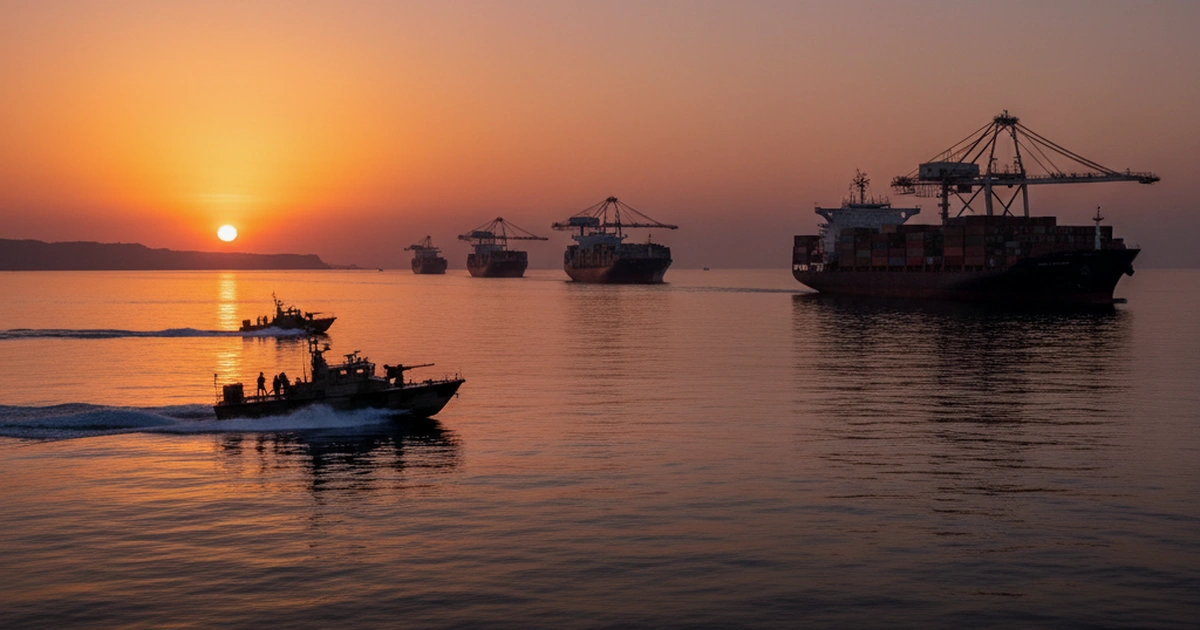
Iran has maintained its selective blockade of the Strait of Hormuz, implementing what analysts call a permission-based regime. Tehran announced it would allow Japanese ships to transit the waterway while blocking vessels from countries supporting the US-led coalition.
The economic pressure is working. India and China secured exceptions from Iran’s near-blockade as oil traffic through the strait dropped by 95%. Iran reportedly imposed a $2 million toll on tankers seeking passage.
Trump’s delay comes as CNN reported that despite Defense Secretary Hegseth’s claims about increasing strike frequency, the data shows a different story. The administration appears caught between escalatory rhetoric and the practical constraints of a prolonged conflict that has entered its fourth week with no clear end in sight.
The five-day window creates space for diplomatic maneuvering while maintaining military pressure. Whether it leads to substantive negotiations or simply delays the next escalation remains unclear. Both sides continue preparing for expanded conflict even as they explore off-ramps from a war that has already reshaped global energy markets and regional security calculations.