Trump Extends Iran Deadline as Israel Kills Naval Commander
- President Trump extended Iran’s deadline to reopen the Strait of Hormuz by 10 days to April 6, reportedly after a request from Tehran
- Israel killed Iranian Navy Commander Alireza Tangsiri, who oversaw the strait blockade, in a targeted strike
- The US deployed 1,000 82nd Airborne troops to the Middle East as Pentagon weighs ground invasion options
President Trump granted Iran another 10-day extension to reopen the Strait of Hormuz, pushing the deadline to April 6 as negotiations remain stalled after 28 days of conflict. The extension came hours after Israel killed the Iranian naval commander responsible for the waterway blockade.
Iran allowed 10 oil tankers to pass through the strait as what Trump called a “present” to demonstrate Tehran’s willingness to negotiate. The gesture marked the first commercial shipping movement through the critical waterway since Iran imposed its blockade. Iran’s Foreign Ministry described the tanker releases as a “humanitarian gesture” in response to global energy concerns, according to Tehran Times. Iranian officials maintain they are not negotiating under pressure but responding to international calls to ease energy disruptions affecting developing nations.
The diplomatic opening occurred against escalating military pressure. Pakistan confirmed it is serving as an intermediary for indirect talks between Washington and Tehran, though Iran maintains there are no formal negotiations.
The Naval Commander Strike
Israel eliminated Iranian Navy Commander Alireza Tangsiri in a precision strike, removing the officer who orchestrated Iran’s control over the Strait of Hormuz. Tangsiri commanded Iran’s naval operations in the Persian Gulf and supervised the deployment of mines and missile batteries that have kept commercial shipping at bay.
The timing of the strike sent a clear signal. Israel removed Iran’s key maritime commander on the same day Tehran allowed limited tanker passage, demonstrating that military pressure continues despite diplomatic overtures. Iran’s Islamic Revolutionary Guard Corps called the killing an “act of state terrorism” and vowed to maintain control of the waterway, according to Press TV. An IRGC spokesman stated that “removing one commander will not break Iran’s resolve to defend its sovereign waters.”
Iran has charged shipping fees for safe passage through what it calls its “toll booth” in the strait. The arrangement allows Tehran to control which vessels transit the waterway while generating revenue from the blockade.
Iranian Defense Strategy
Iranian officials frame their strait control as a defensive measure against what they term “unprecedented aggression.” Defense Ministry sources emphasize Iran’s legal right to regulate traffic in its territorial waters while rejecting US ultimatums.
Iran’s Parliament Speaker Mohammad Bagher Ghalibaf stated that Iran “will not bow to military threats” but remains open to “respectful dialogue” based on mutual interests. Iranian officials argue their blockade responds to Israeli strikes on civilian infrastructure and US military buildup in the region.
The Islamic Republic maintains its willingness to discuss shipping arrangements through diplomatic channels while refusing to negotiate under the threat of invasion. Iranian foreign ministry officials have proposed multilateral talks involving regional powers and the United Nations to address waterway access.
Ground Forces Option
The Pentagon deployed 1,000 82nd Airborne troops to the Middle East as military planners prepare invasion scenarios targeting Iran’s oil infrastructure. The 82nd Airborne specializes in rapid deployment and seizure operations, capabilities essential for potential assaults on Iran’s Kharg Island oil terminal.
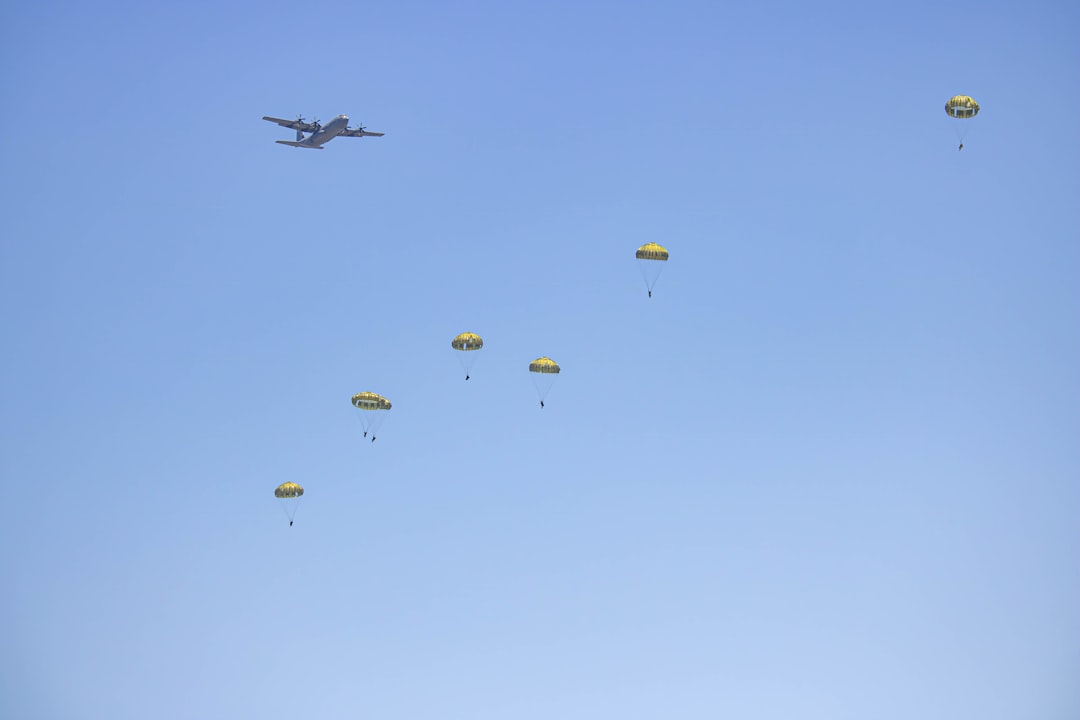
Military analysts identify three attack scenarios under consideration: seizing Kharg Island to force strait reopening, capturing Qeshm Island to establish a forward base, or striking Iran’s nuclear facilities. The 82nd Airborne’s deployment suggests ground operations are moving from planning to preparation.
The Pentagon is also weighing diversion of military aid from Ukraine to support Middle East operations. The shift would redirect weapons and equipment originally destined for Kyiv to US forces preparing for potential Iran operations.
Iran maintains geographic advantages in the strait through its coastline position and established mine fields. The waterway’s narrow 21-mile width at its chokepoint allows Iran to threaten any vessel attempting passage without permission.
Trump warned Iranian negotiators to “get serious soon, before it is too late,” as both sides appear to be hardening positions despite the diplomatic extension. The April 6 deadline gives negotiators 10 days to resolve a conflict that has already disrupted global energy markets and killed over 1,300 Iranian civilians.