Israel Hits Iran Nuclear Sites as Tehran Strikes US Base
- Israel struck Iranian nuclear facilities while Tehran vowed retaliation “will no longer be an eye for an eye”
- Iran wounded 10 US troops in a missile strike on Prince Sultan Air Base in Saudi Arabia
- Oil prices hit their highest level since 2022 as 17.8 million barrels per day remain disrupted
Day 29 of the US-Israel war with Iran brought the conflict’s most dangerous escalation yet. Israeli forces targeted Iranian nuclear development sites across multiple provinces. Tehran struck American troops at a Saudi air base for the first time since the war began.
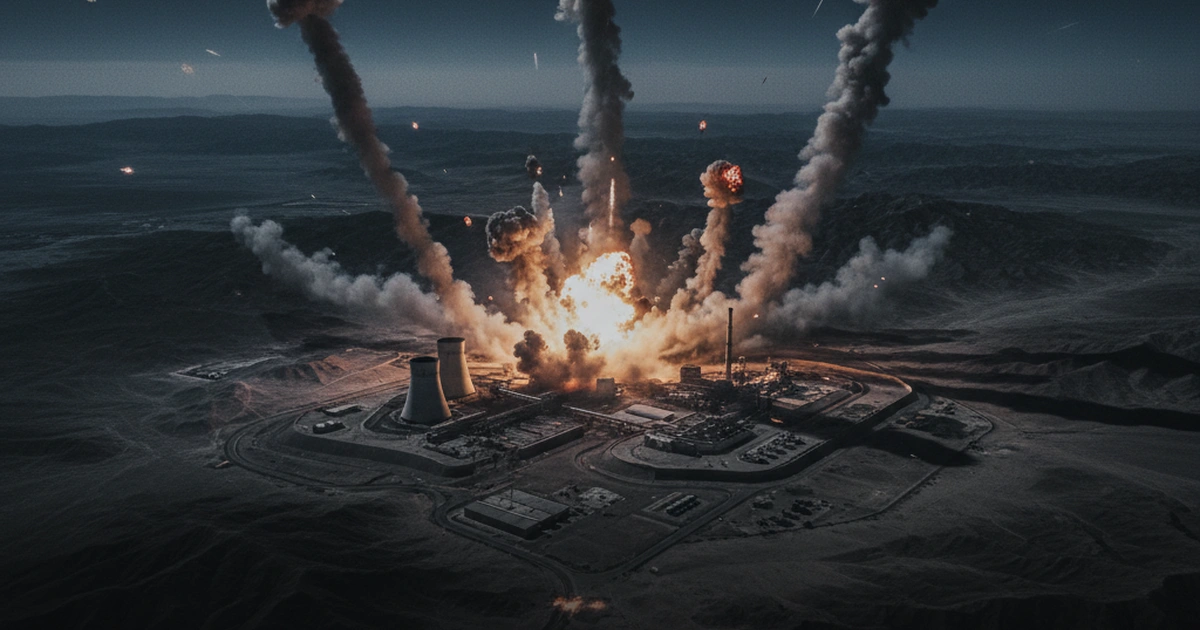
The nuclear strikes mark Israel’s deepest penetration into Iran’s strategic infrastructure. Iran’s foreign ministry said the country would no longer limit itself to “an eye for an eye” doctrine that has governed its responses for the past month, according to Tehran’s immediate warning.
Iran’s Nuclear Escalation
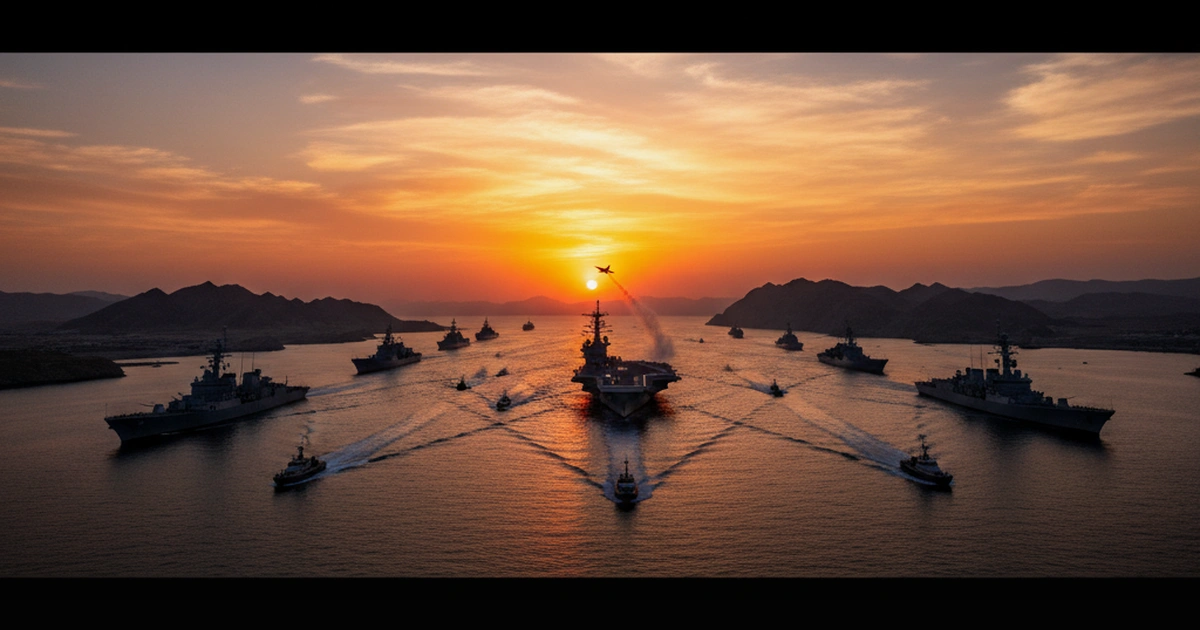
Iranian missiles struck Prince Sultan Air Base in Saudi Arabia, wounding 10 American service members. The attack marks Tehran’s first direct strike on US personnel since the conflict began March 1st. Prince Sultan hosts advanced US air operations supporting strikes inside Iran.
Iran launched the missiles within hours of Israeli jets hitting nuclear facilities near Natanz and Isfahan. The foreign ministry warned civilians near US targets to evacuate, signaling broader attacks ahead.
Israeli officials vowed to “intensify and expand” strikes despite growing pressure for de-escalation. The nuclear facilities targeted included uranium enrichment infrastructure and research centers, Israeli military statements confirmed. Iran has not disclosed damage extent.
US munitions consumption alarmed Pentagon officials. American forces have fired hundreds of Tomahawk missiles in 29 days of operations. The military can only confirm destruction of one-third of Iran’s missile stockpiles despite intensive bombing.
Oil Markets Under Pressure
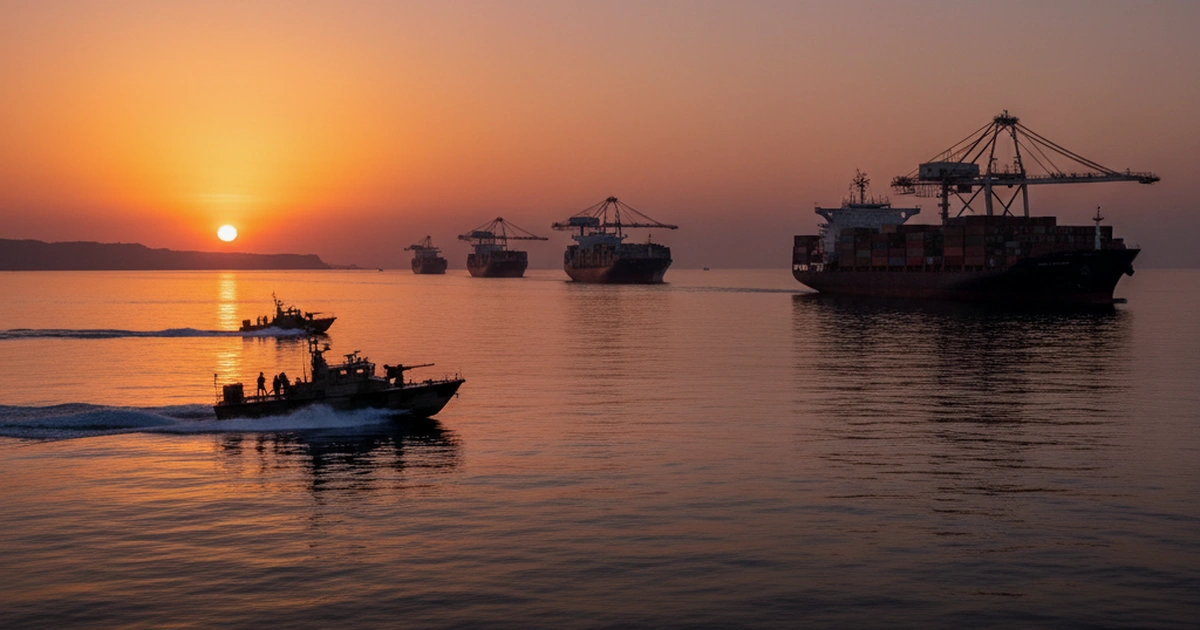
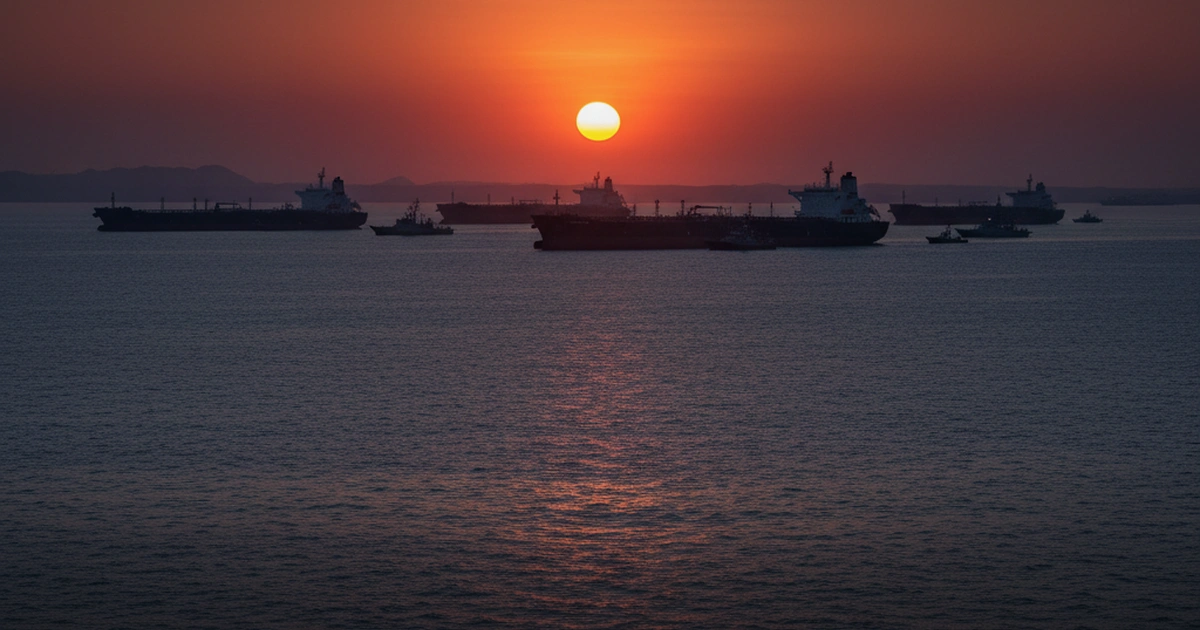
Oil markets closed at their highest level since 2022 as Iran’s Strait of Hormuz blockade entered its fourth week. The disruption has removed 17.8 million barrels per day from global markets. Iran operates a toll booth regime in the strait, charging fees for safe passage.
Guards turned back three ships attempting to transit without paying, according to reports. The toll system operates in Chinese yuan, bypassing dollar-based sanctions. Twenty thousand sailors remain stranded in the Persian Gulf as commercial shipping avoids the region.
Global energy markets face sustained disruption. Brent crude prices topped $95 per barrel Thursday. Major shipping companies suspended all Persian Gulf operations. Alternative routes through the Suez Canal add 14 days to Asian deliveries.
China maintains limited shipping through Iranian-controlled waters. Beijing negotiated separate passage agreements with Tehran before the war began. European refiners report shortages of light crude oil traditionally sourced from Saudi Arabia and UAE.
Washington’s Internal Tensions
Trump administration officials split over escalation strategy. Vice President JD Vance held a tense call with Israeli Prime Minister Benjamin Netanyahu, accusing him of overselling chances for quick regime change in Iran. House Republicans publicly expressed concern over Trump’s consideration of deploying 10,000 additional ground troops.
Secretary of State Marco Rubio said the operation would conclude “in weeks, not months” despite evidence of Iranian resilience. Defense analysts question this timeline given Iran’s distributed military infrastructure. The Pentagon weighs the troop deployment as current forces struggle to maintain operational tempo.
Military commanders report equipment fatigue across the theater. Navy destroyers require extended maintenance after weeks of missile defense operations. Air Force units face pilot rotation challenges. Ground forces in Iraq and Syria operate with reduced backup.
Congressional Democrats demanded briefings on war costs. The Congressional Budget Office estimates current operations cost $2.8 billion weekly. Defense contractors report component shortages for precision munitions. Lockheed Martin suspended deliveries to allies to prioritize US military needs.
Diplomatic Deadlock
Trump extended his pause on energy sector strikes through April 6, citing progress in ceasefire talks. The delay contradicts Israeli escalation patterns. Administration sources suggest internal disagreement over strategy.
European allies pressured Washington for de-escalation. French President Macron warned of regional war spillover. German Chancellor Scholz suspended arms deliveries to Israel pending ceasefire progress. NATO allies refused to expand operations beyond current defensive posture.
Qatar mediated preliminary talks between Washington and Tehran through back channels. Iranian negotiators demanded immediate lifting of all sanctions imposed since March 1st. US officials rejected preconditions but agreed to indirect discussions on prisoner exchanges.
Russia offered to host direct negotiations in Moscow. China proposed economic guarantees for both sides. Neither offer gained traction as military operations intensified. Turkish officials warned of refugee crisis if fighting spreads to Iran’s western provinces.
The nuclear strikes cross Tehran’s stated red lines while Iran’s retaliation threatens American forces across the region. Both sides abandoned careful escalation management that marked the war’s first month.