Houthis Strike Israel as Iran War Reaches One Month
- Yemen’s Houthis launched their first missile attack on Israel since the US-Iran war began
- Twelve US troops were injured in an Iranian attack on a Saudi base as the war reached its one-month mark on March 28
- The USS Tripoli arrived with 3,500 Marines
Yemen’s Houthis struck Israel with missiles for the first time since the US-Iran war began exactly one month ago. The attack marks the entry of a fourth major actor into the conflict that began February 28 when American and Israeli forces launched coordinated strikes on Iranian targets.
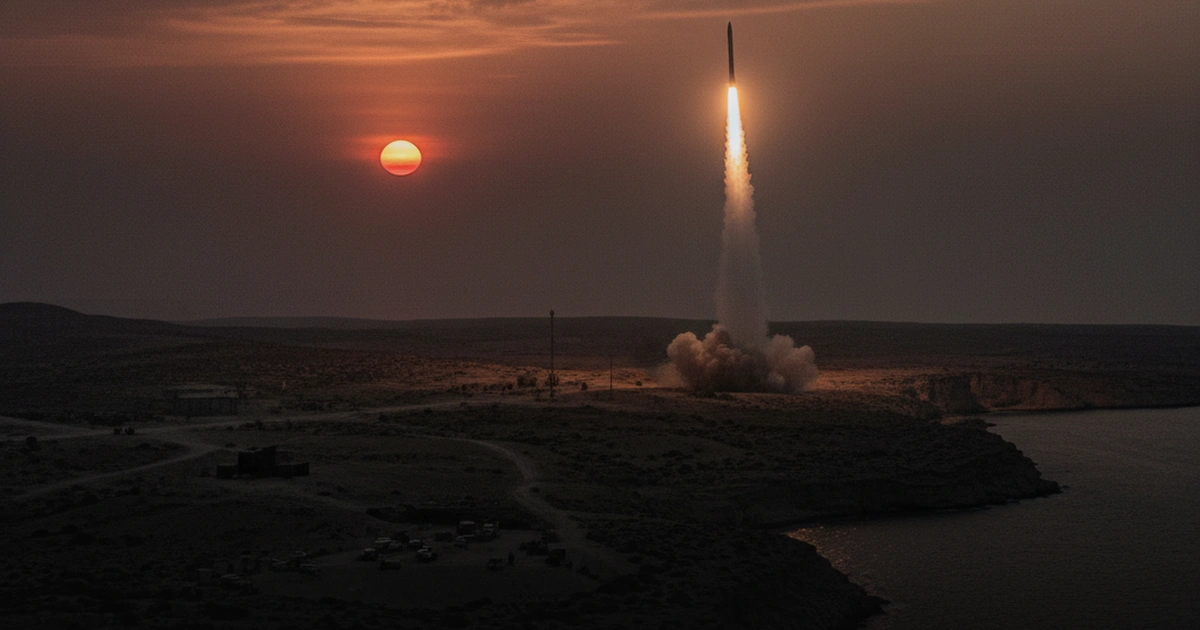
Houthi military spokesman Yahya Sarea announced responsibility for multiple missile launches targeting Israeli territory in a televised statement. The Houthis described the strikes as retaliation for Israeli support of US operations against Iran, Al Masirah TV reported. Israeli defense systems intercepted the projectiles, but the strikes signal a significant expansion of the month-old war beyond its original combatants.
The attacks came as the war reached its 30-day mark, with 12 American troops wounded in an Iranian strike on a Saudi base housing US forces. Iran’s ability to project force across the Gulf remains intact despite weeks of American and Israeli bombardment.
The Houthi Expansion
The Houthi strikes open a fourth front in the conflict. The Iran-backed group controls northern Yemen and key Red Sea shipping lanes, giving Tehran a new vector to pressure Israeli and American interests without direct confrontation.
The group’s timing suggests coordination with Iran’s broader strategy. Tehran has maintained its Strait of Hormuz blockade while expanding attacks on US positions across the Gulf. The Houthi strikes create a second maritime chokepoint for Western pressure.
Iranian Foreign Ministry spokesman Nasser Kanaani praised the Houthis’ “legitimate resistance” while denying direct coordination, Press TV reported. Kanaani described the attacks as an independent response to what Iran calls Israeli aggression.
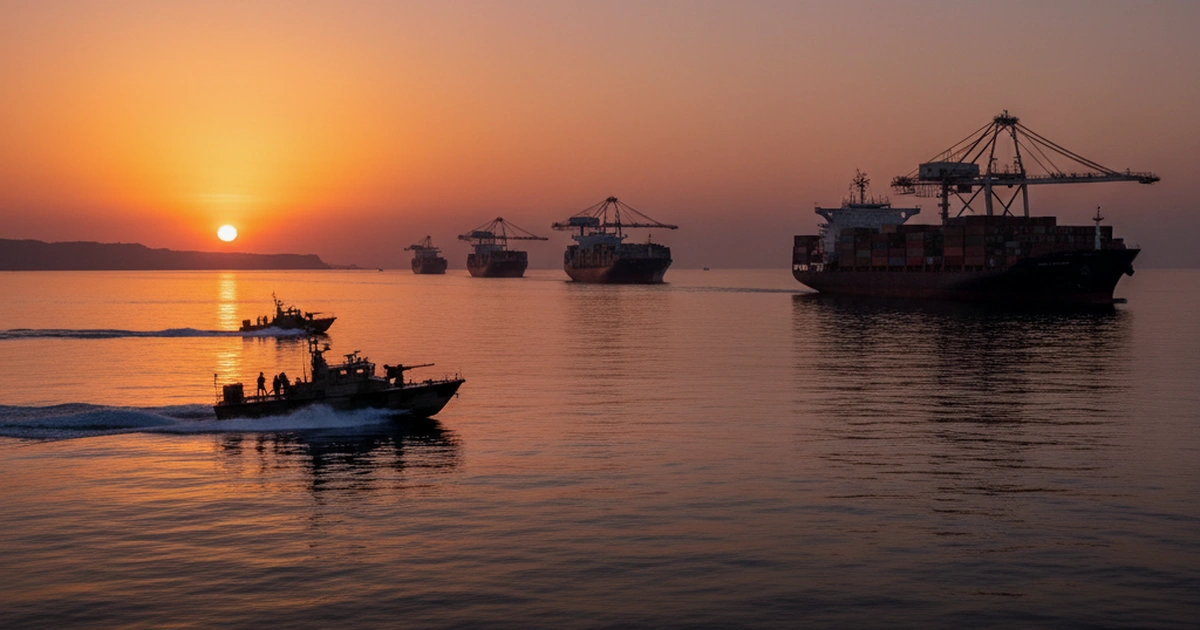
Pakistan secured Iranian permission for 20 ships to transit the Strait, demonstrating Tehran’s selective enforcement of the blockade. Chinese and Russian vessels continue moving freely. Western-flagged ships remain blocked.
The Houthis possess medium-range ballistic missiles and anti-ship weapons supplied by Iran over the past decade. Their Red Sea position allows strikes on both Israeli territory and the shipping lanes connecting Asia to Europe.
Marines Deploy
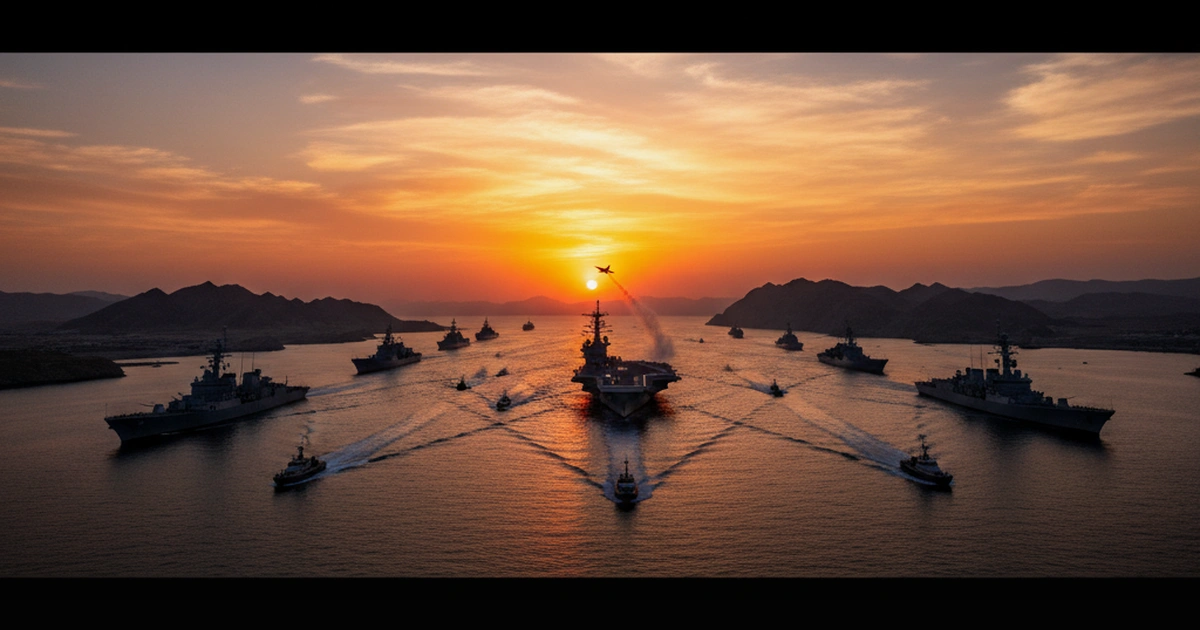
The USS Tripoli and its embarked 31st Marine Expeditionary Unit arrived in CENTCOM with 3,500 troops and F-35C fighters. The deployment represents the largest American ground force commitment to the region since the war began.
Secretary of State Marco Rubio warned that major US operations against Iran could begin within weeks. The Pentagon is preparing for ground operations lasting weeks, defense officials said.
The Marine deployment signals American preparation for amphibious operations. The 31st MEU specializes in rapid-response missions and has conducted operations across the Pacific and Middle East. Their F-35Cs provide close air support and strike capabilities from sea-based platforms.
Iran’s attacks on US forces in Saudi Arabia demonstrate Tehran’s ability to strike American positions despite the military buildup. Ukrainian President Zelenskyy accused Russia of providing satellite intelligence that helped Iran target the base where 12 Americans were wounded.
Iranian military officials claim their precision strikes prove Western air defenses are penetrable. Guards commander Brigadier General Ali Fadavi told state media that Iran’s missile program has “exposed the myth of American invincibility” in the region.
Regional Powers Respond
Pakistan will host talks with Saudi Arabia, Turkey, and Egypt on March 29-30 as regional powers seek to contain the expanding conflict. The four-nation summit represents the most significant diplomatic initiative since the war began.
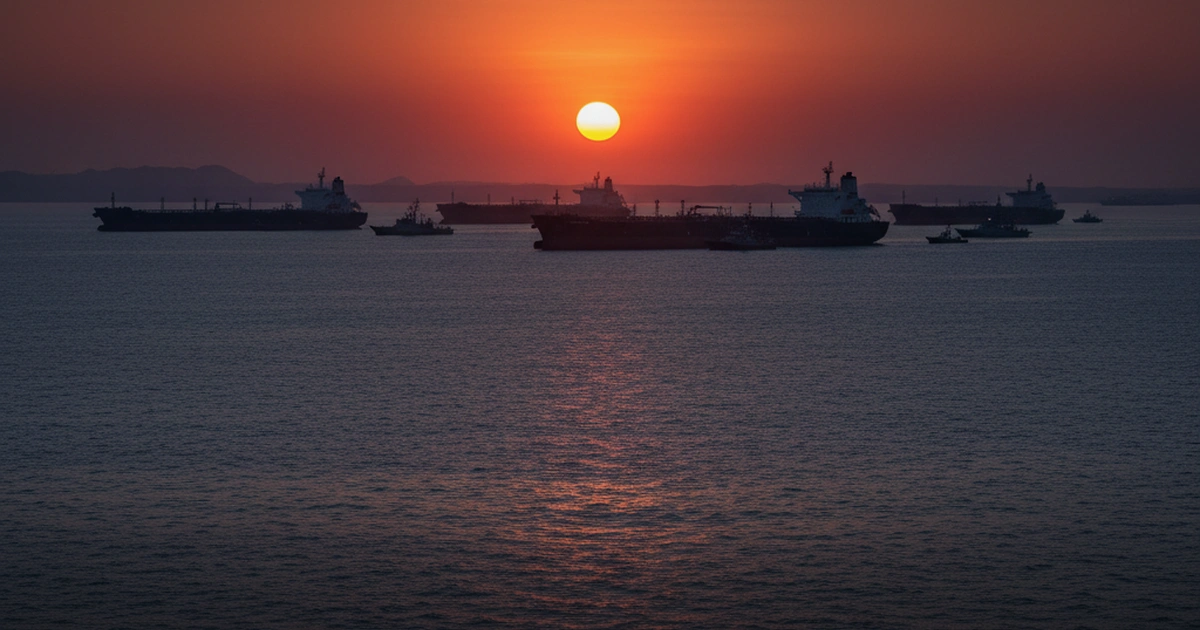
The Strait of Hormuz blockade has reduced daily ship transits from 90 to under 10, threatening energy supplies across Asia. Iran’s new demand for transit fees could generate billions in revenue if accepted.
Iranian lawmakers are pushing to withdraw from the Nuclear Non-Proliferation Treaty following strikes on nuclear facilities. The International Atomic Energy Agency reported no damage to the Bushehr reactor after recent attacks, but political pressure for NPT withdrawal continues building.
Trump faces only hard choices one month into the conflict. Escalation risks drawing in more regional actors. De-escalation rewards Iranian aggression and leaves the Strait blockade intact.
The Houthi entry creates multiple fronts for the war’s next phase. Iran has expanded the conflict beyond its borders while maintaining defensive positions at home. The arrival of 3,500 Marines suggests America is preparing to test those defenses directly.