Iran Opens Yemen Front as Houthis Target Israel on Day 31
- Yemen’s Iran-backed Houthis fired two missiles toward Israel on March 29
- Iran’s Guard attacked aluminum facilities in the UAE and Bahrain
- Pentagon prepares for weeks of ground operations in Iran
- Pakistan hosts emergency diplomatic talks with Saudi Arabia, Turkey, and Egypt
Yemen’s Houthis fired missiles at Israel on March 29, opening a new front in the month-long Iran conflict. Iran’s Guard targeted aluminum facilities in the UAE and Bahrain the same day.
The Iran-backed rebels had threatened Israel for weeks but held fire during the first 30 days of US-Israeli strikes on Iran. Their entry transforms a bilateral conflict into a regional war spanning three countries.
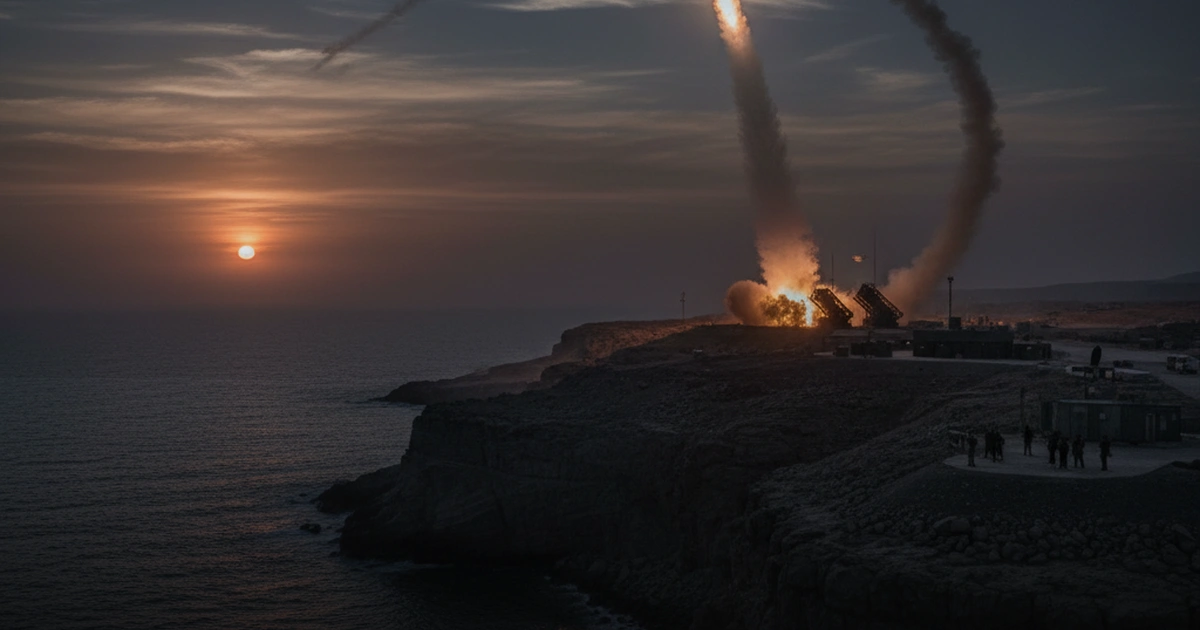
Iran launched six missile salvos at Israel throughout the day, maintaining the daily bombardment that has defined the conflict’s rhythm. The Houthi missiles from Yemen’s Red Sea coast create a southern attack corridor Israel has not faced since the war began.
Houthi spokesman Mohammed Abdulsalam defended the strikes, calling them “a natural response to American-Israeli aggression against our brothers in Iran.” The Houthis framed their entry as solidarity with Iran rather than Iranian orders.
Multi-Front Escalation
Bahrain confirmed the attack on its aluminum infrastructure. Iranian strikes mark the first verified attacks on Gulf state territory since the conflict began March 1.
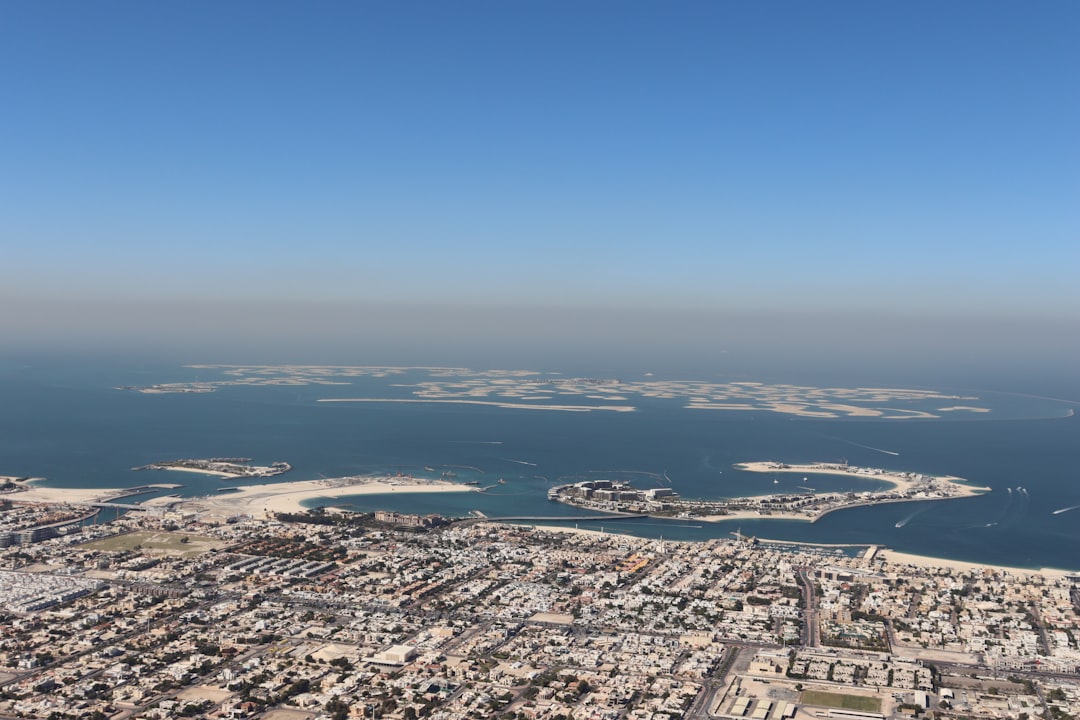
The industrial targeting represents a strategic shift from Iran’s previous focus on military infrastructure. Iran has focused primarily on defending against US-Israeli strikes inside its own borders. Attacking Gulf aluminum production signals Iran’s willingness to target economic infrastructure in countries hosting US forces.
UAE officials condemned the attacks but did not announce military retaliation. The measured response suggests Gulf states seek to avoid direct military confrontation despite the infrastructure strikes.
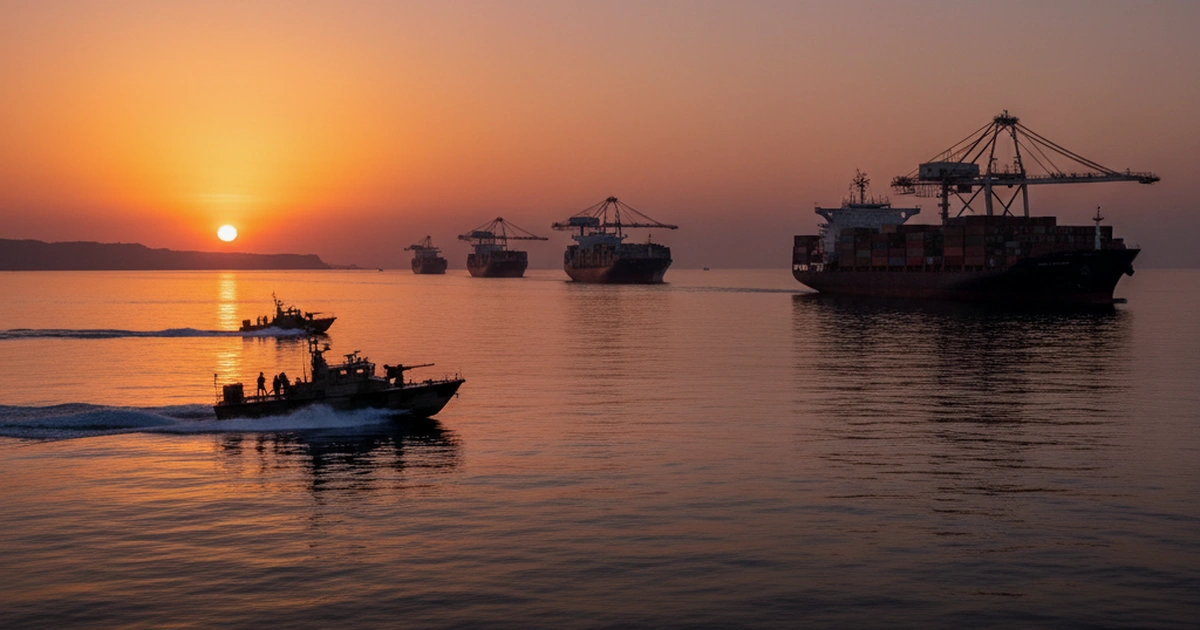
Iran’s Guard has maintained its blockade of the Strait of Hormuz while expanding attacks to Gulf partners of the United States. Oil prices continue rising as the Hormuz closure enters its second month.
Yemen’s entry complicates Israel’s defensive calculations. Israeli air defenses have adapted to Iranian missile patterns over 31 days of daily bombardment. Houthi missiles from the south require different intercept angles and timing.
Ground Operations Planning
The Pentagon is preparing for weeks of ground operations in Iran, defense officials confirm. The planning represents the first confirmed preparation for US troops on Iranian soil since the conflict began.
Pentagon sources tell Al Jazeera that ground forces would target Iran’s nuclear facilities, missile production sites, and Guard command centers that have survived sustained bombing. The planning suggests the air campaign has not achieved strategic objectives after 31 days.
Pakistan hosted emergency diplomatic talks with Saudi Arabia, Turkey, and Egypt on March 29. Prime Minister Sharif held talks with Iranian President Pezeshkian as regional powers seek to prevent ground escalation.
The diplomatic push comes as Iran’s leadership faces internal divisions. President Pezeshkian clashed with Guard chief Salami over war strategy. The public rifts mark growing pressure within Iran’s regime as military strikes intensify.
Turkey’s Foreign Ministry called for immediate de-escalation while Egypt proposed a ceasefire framework. Both nations fear refugee flows and economic disruption from expanded ground combat.
China and Russia have increased diplomatic pressure on all sides to avoid ground operations. Both nations have significant economic interests in the Gulf and fear prolonged conflict will destabilize global energy markets beyond current disruptions.
The conflict’s expansion to three fronts within 24 hours demonstrates how quickly regional wars can spiral beyond initial combatants. Iran’s willingness to attack neutral Gulf states while coordinating with Yemen indicates strategic patience has given way to maximum pressure tactics.