ECB Signals Rate Hikes as Iran War Triggers Energy Crisis
- ECB President Christine Lagarde opened the door to rate hikes on March 25, six days after the bank held rates at 2%, citing Iran war inflation risks
- Strait of Hormuz closure since February 28 has pushed Brent crude above $126 per barrel for the first time since 2022
- OECD cut eurozone 2026 growth forecast to 0.8% as energy shock threatens to extend into 2027
The European Central Bank abandoned its dovish stance in the span of six days. ECB President Christine Lagarde signaled potential rate hikes on March 25, warning that the Iran war’s energy shock could force action “even for a not-too-persistent inflation overshoot.”
The reversal came after the ECB held rates at 2% on March 19. Between those dates, oil markets spiraled as the Strait of Hormuz remained effectively closed to commercial shipping.
Lagarde called inaction “a communication risk” that could unanchor inflation expectations. The ECB now faces a choice between triggering recession through rate hikes or watching inflation expectations spiral beyond control.
The Hormuz Shock
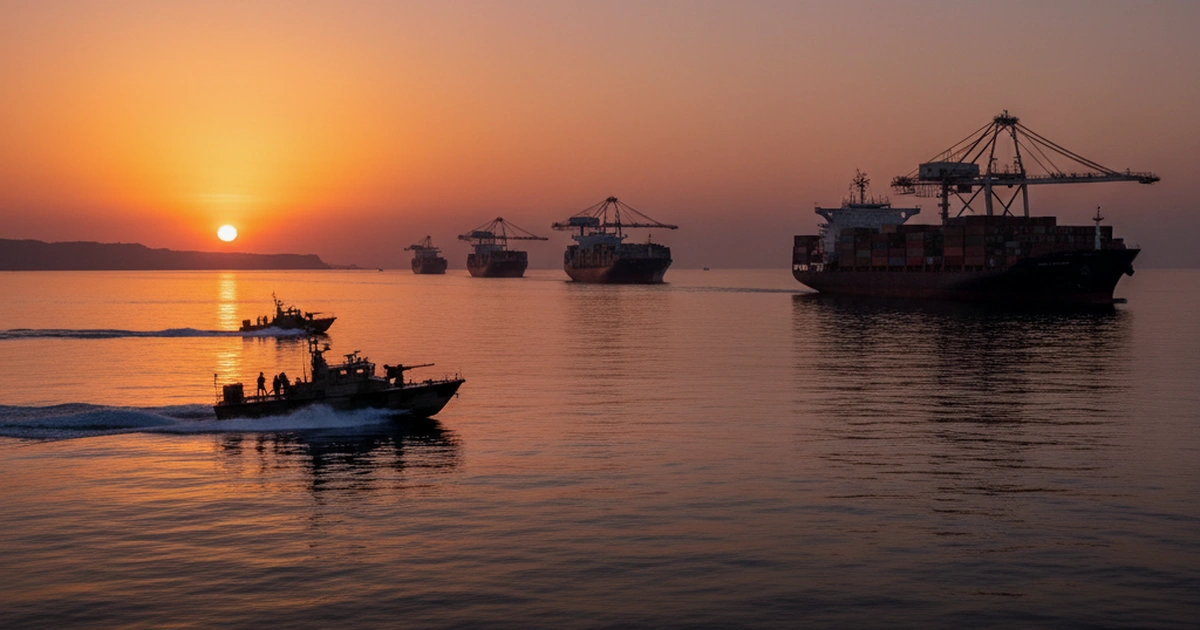
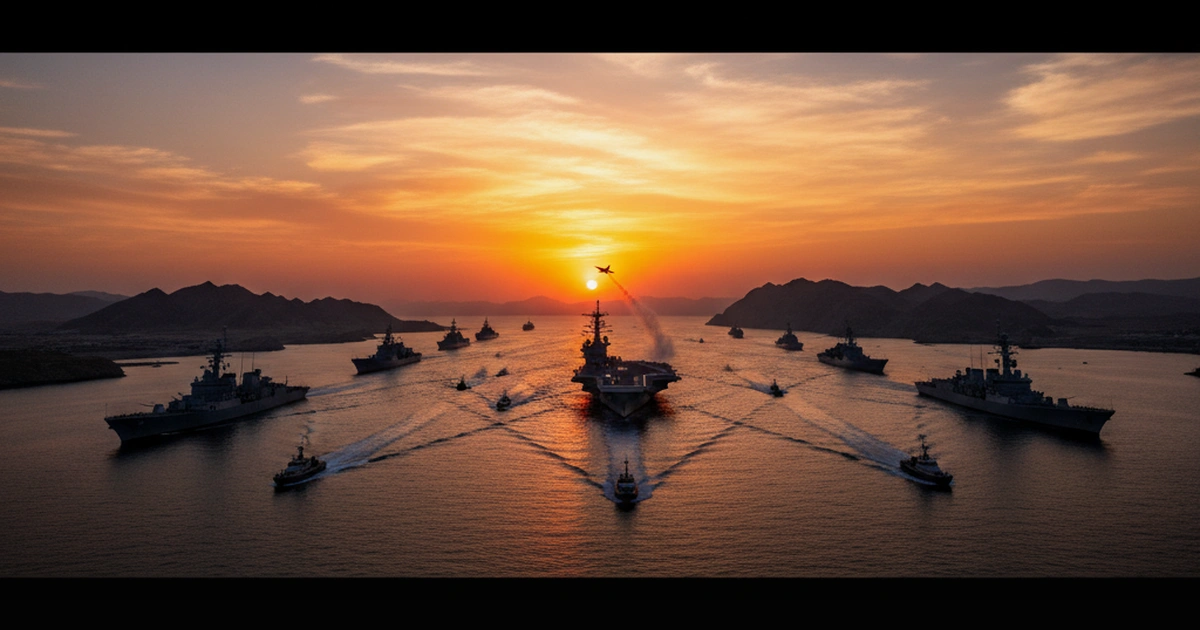
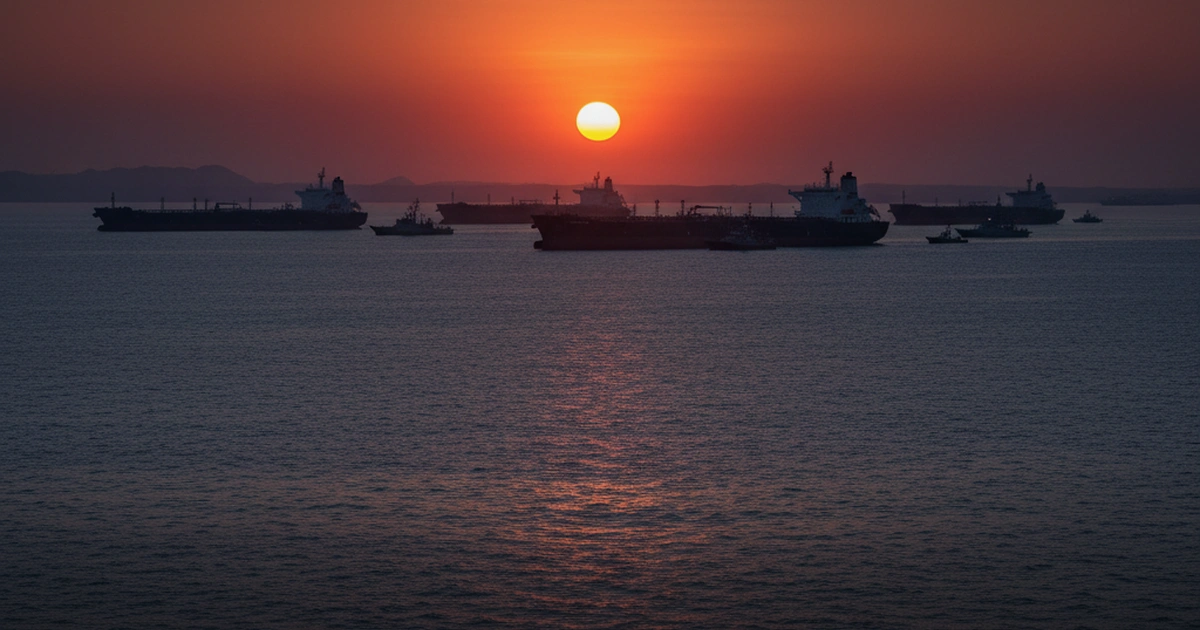
The Strait of Hormuz crisis began February 28 when Iranian forces halted shipping following US and Israeli strikes. Twenty percent of global oil supply and significant LNG flows traverse the strait. Tanker traffic dropped to near-zero as 21 Iranian attacks on merchant vessels made the passage too dangerous for commercial operations. Iranian officials defended the Hormuz closure as necessary for national security. Foreign Minister Abbas Araghchi told Al Jazeera on March 5 that “when our territory faces bombardment, we have every right to control our territorial waters and protect our sovereignty.” Tehran frames the shipping halt as defensive rather than economic warfare.
Iranian military commanders justify the action under international law. Admiral Alireza Tangsiri of the Islamic Revolutionary Guard Corps Navy told Press TV on March 15 that “the Strait of Hormuz is within our territorial waters, and protecting it from hostile forces is our sovereign right.”
Brent crude peaked at $126 per barrel, the first time above $100 since mid-2022. The price surge reflects not just current supply disruption but market fears that Trump’s ultimatum to Iran could escalate the conflict further.
Dallas Fed modeling shows that if Hormuz stays shut through June, global real GDP falls 2.9 percentage points annualized in the second quarter. Europe’s energy import dependence amplifies the shock compared to other regions.
The fertilizer dimension adds a delayed impact. Urea prices jumped 40% since mid-February. This creates a 2027 harvest problem, not just a 2026 energy problem. Food inflation will follow energy inflation with a lag.
Lagarde outlined three scenarios in her March 25 speech. The baseline projects 2.6% inflation for 2026. The adverse scenario sees inflation peak above 4% in the second half of 2026. The severe scenario pushes inflation above 6% in early 2027 with no return to target for years.
The ECB explicitly rejected repeating its 2022 approach when it waited until inflation hit 8% before acting on Russia’s invasion. Lagarde said waiting would be “a different kind of policy mistake.”
Europe’s Divided Response
The energy shock is splitting Europe along renewable energy lines. Germany’s Ifo business climate index fell to 86.4 in March from 88.4 in February. Ifo president Clemens Fuest said the Iran war “has, for the time being, ended hopes of an economic upswing.”
Germany faces the deepest exposure as Europe’s largest economy and most energy-intensive industrial base. Italy and Portugal warned of recession risk, with ECB Vice President Luis de Guindos saying the shock could extend into 2027.
The OECD cut eurozone growth to 0.8% for 2026, down 0.4 percentage points. Germany and France both received 0.8% forecasts. The OECD assumes disruptions ease from mid-2026, flagged as high uncertainty.
Spain and Portugal present a different picture. Electricity prices declined in both countries due to high solar and wind penetration. Renewables remain unaffected by Hormuz. The clean energy dividend is measurable and immediate.
European governments are scrambling with fiscal responses. Italy activated consumer price protection, using VAT revenue from higher fuel prices to compensate households. Portugal became the first to activate structural protection mechanisms.
The divergence creates a strategic fracture. Renewable-heavy southern Europe posts stable growth while LNG-dependent northern Europe slides toward recession. This tests NATO solidarity when governments face different economic pressures from the same crisis.
Iran’s Strategic Calculation
Iran’s strategy appears designed to fracture European unity through economic pain. The IRGC’s shipping halt following US strikes suggests deliberate economic warfare rather than collateral damage.
Iranian officials describe their position differently. Parliament Speaker Mohammad Bagher Ghalibaf told Tasnim News Agency on March 18 that “Iran’s control of the Strait is purely defensive. We never targeted civilian vessels until our territory came under attack.” Tehran characterizes the closure as proportional response to military aggression.
Economic analyst Saeed Laylaz from Tehran University told Financial Tribune on March 20 that “Iran has no interest in prolonged economic disruption. The closure serves as deterrence against further military escalation, not punishment of European consumers.”
The ECB’s shift from potential rate cuts to threatened rate hikes represents the largest near-term risk to European cohesion. Rate increases would stress bond markets in Germany and Italy while energy prices squeeze household budgets. The stagflation threat combines the worst of both economic pressures.
Trump’s two-day ultimatum to Iran, delivered March 22, adds military escalation risk to the economic calculation. Markets are pricing not just current supply disruption but the possibility of expanded conflict affecting additional energy infrastructure across the region.
The 2022 comparison reveals the stakes. Europe initially pledged unity against Russia then scrambled for alternative gas deals as winter approached. The question is whether governments under recession pressure will maintain NATO solidarity or begin calling for de-escalation.
Lagarde’s communication strategy suggests the ECB believes credible threats of rate hikes can anchor inflation expectations without requiring actual implementation. The risk is that markets call the bluff, forcing painful choices between recession and runaway inflation.
The fertilizer shock ensures this crisis extends beyond immediate energy prices. Even if Hormuz reopens by summer, agricultural input costs will affect 2027 food prices. Europe faces a multi-year adjustment, not a temporary disruption.