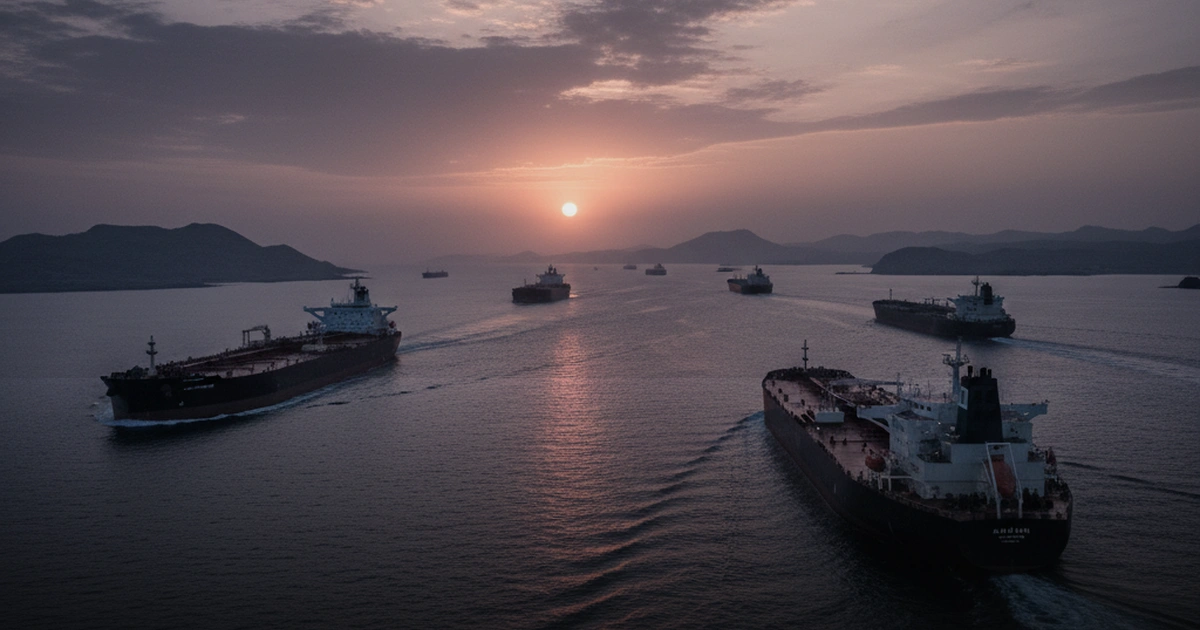
- Gasoline prices are projected to reach record highs this summer due to ongoing instability in the Strait of Hormuz.
- The IRGC claims to have cleared 26 vessels for transit in the past 24 hours, even as commercial merchants remain wary of high risks.
- A U.S. military vessel intercepted and boarded an Iranian-flagged oil tanker suspected of attempting to breach the blockade.
The energy supply chain is fracturing as the Strait of Hormuz remains a contested zone for global commerce. This critical maritime bottleneck: dictates the flow of nearly 20 percent of the world’s oil supply.
The Shipping Standoff
Commercial merchants continue to avoid the Strait of Hormuz despite military escorts, citing risks that remain too high for standard operations.
The Islamic Revolutionary Guard Corps reported that 26 vessels successfully transited the area over the last 24 hours. The region has effectively become a highly regulated zone under Iranian control.
This assertion of control has turned the strait into a digital and physical bottleneck. The U.S. military recently boarded an Iranian-flagged tanker that was suspected of attempting to bypass these restrictions.
Analysts observe a distinct “choke-point paradox” here. By restricting traffic, Iran forces a global price premium that funds its own military posture, yet this same restriction invites direct naval confrontation with U.S. forces. This creates a feedback loop where every intercepted tanker justifies further military buildup, effectively locking the strait into a permanent state of high-alert tension rather than a temporary blockade.
The Economic Fallout
Gasoline prices are now likely to shatter previous records this summer as the global market adjusts to the restricted flow of oil.
The war has caused significant drag on the European economy, driving inflation higher across the region according to recent reports. The UAE is attempting to mitigate these supply shocks by fast-tracking a bypass pipeline that is currently 50 percent complete.
The math for the average consumer is becoming increasingly punitive. If the current blockade persists, the disruption to global supply chains will force a permanent shift in how energy is priced and transported. Market analysts suggest that the current price surge reflects a “risk premium” rather than a true supply deficit. This implies that even if the physical blockade ends, the psychological impact on energy futures will keep prices elevated for the remainder of the fiscal year.
The Operational Link
Strategic patience is currently the prevailing policy, as American leadership indicates they are in no hurry to finalize a deal regarding the conflict. The next 24 hours will determine whether the current shipping surges represent a genuine de-escalation or merely a tactical pause.
None of those options are popular. All of them are on the table.