- President Trump declared the Iran ceasefire on “life support” after dismissing Tehran’s latest peace proposal as “totally unacceptable.”
- The Strait of Hormuz remains blocked, forcing a suspension of commercial shipping and straining global energy markets.
- Public support is fading, with two-thirds of Americans stating that the administration has failed to clearly explain the strategic goals of the ongoing war.
The U.S.-Iran ceasefire is on “life support” after President Trump rejected Tehran’s latest counteroffer.
The Diplomatic Impasse
President Trump dismissed the recent Iranian peace proposal as totally unacceptable, effectively deadlocking negotiations.
Tehran had communicated the proposal through Pakistani intermediaries. Iranian officials characterized the rejected document as a generous and responsible offer. Trump has since signaled he is considering resuming combat operations as a response to the impasse.
The White House has not outlined a clear exit strategy for the conflict. Two-thirds of Americans now report that the administration’s war objectives remain opaque. This disconnect suggests a shift in the conflict’s nature. The administration prioritizes kinetic pressure over traditional diplomacy. By rejecting the Pakistani-brokered terms, the White House signals that it views the current stalemate as a tactical advantage rather than a diplomatic failure. This approach risks isolating the U.S. from regional partners who favor a negotiated resolution over prolonged maritime disruption.
Economic Fallout
The continued closure of the Strait of Hormuz has created a logistical bottleneck for global energy.
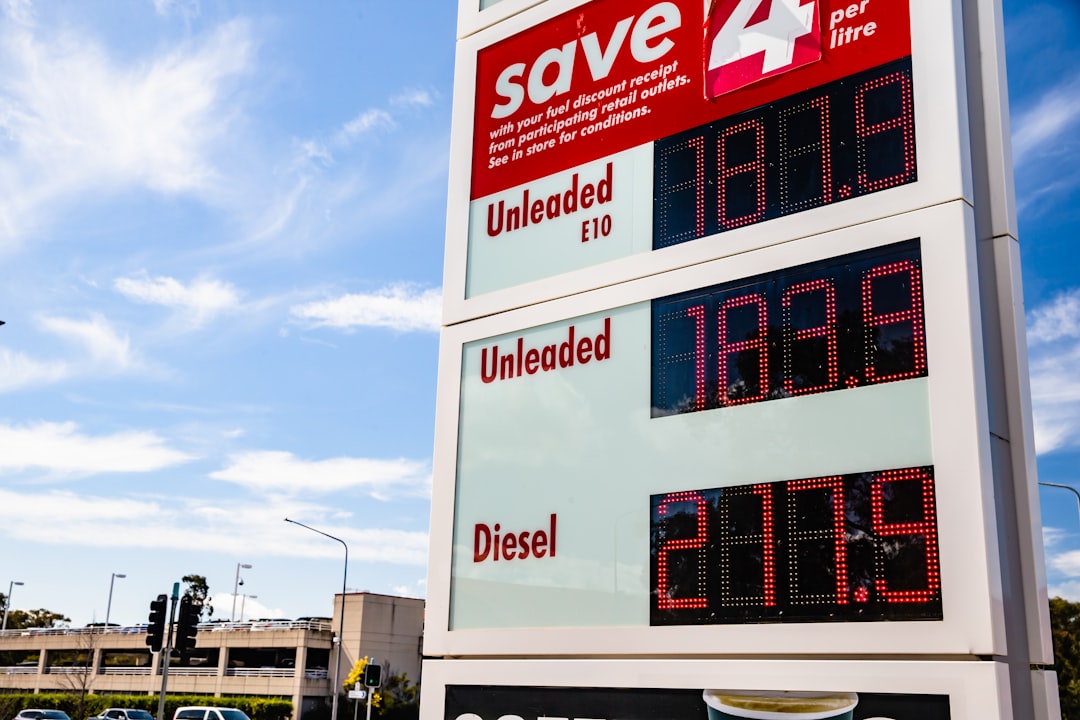
The U.S. Navy is facing rising operational costs to maintain the blockade presence. As commercial traffic stalls, domestic fuel prices in the United States have continued to climb. President Trump has proposed a temporary suspension of the federal gas tax to mitigate the impact on consumers.
Analysts observe a widening gap between the administration’s aggressive rhetoric and its apparent reluctance to commit to a full-scale ground invasion. The current stalemate is neither peace nor war, leaving markets to price in continued volatility for the remainder of the year. This economic pressure forces a re-evaluation of the blockade’s utility. While the blockade serves as a leverage tool against Tehran, it simultaneously erodes the domestic political capital necessary to sustain the war effort.
The Path Forward
The administration is now looking toward Beijing for diplomatic leverage.
President Trump is traveling to China to seek Xi Jinping’s intervention in the negotiations. Tehran’s domestic leadership remains under pressure, with reports that officials may be eyeing an Assad-style escape to Russia should the current conflict reach a breaking point.
The strategy hinges on whether Beijing exerts enough influence to bring Tehran back to the table. None of these options are popular. All of them are on the table. The pivot to Beijing indicates that the White House recognizes the limits of direct bilateral pressure. If China fails to secure a concession, the administration faces a binary choice: escalate to direct military engagement or accept a long-term, low-intensity conflict that drains both regional stability and domestic economic health.