Embassy Evacuations Begin as Iran Nuclear Talks Collapse
- Germany, France, and the Netherlands began evacuating non-essential embassy staff from Tehran on December 18
- Nuclear negotiations collapsed after Iran rejected the EU’s final compromise proposal on uranium enrichment limits
- Iran now enriches uranium to 84% purity, just below weapons-grade levels of 90%
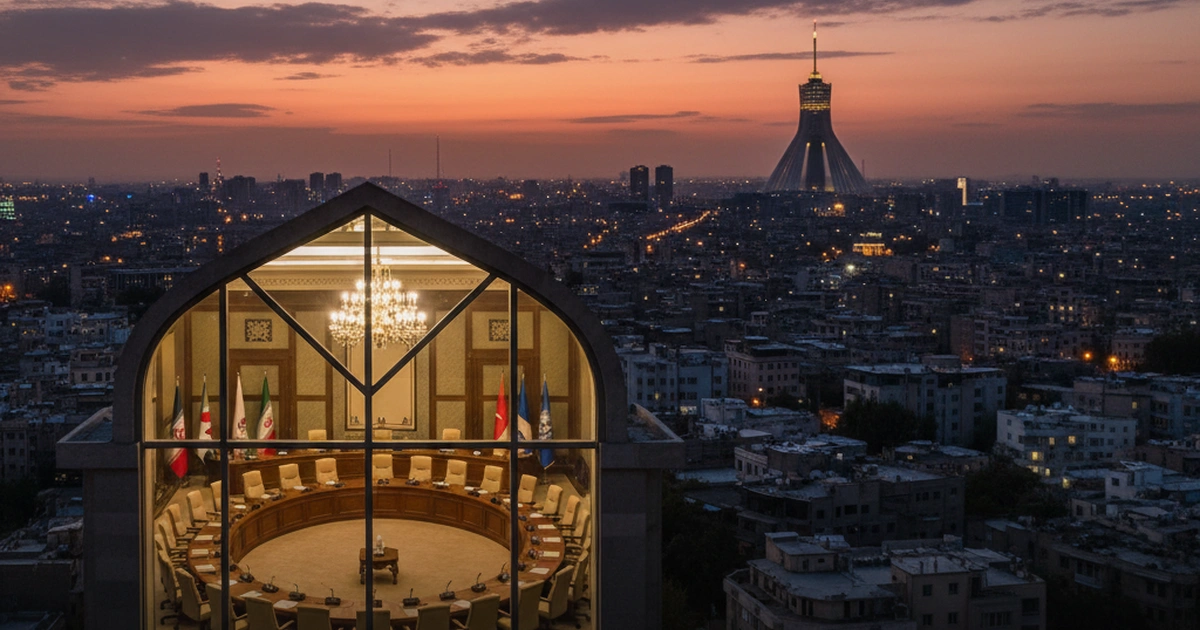
The diplomatic quarter of Tehran is emptying. Three European embassies started evacuating non-essential staff yesterday as nuclear negotiations collapsed entirely after 18 months of stop-start talks.
Iran rejected the European Union’s final compromise proposal on uranium enrichment limits. The proposal would have allowed Iran to enrich uranium to 60% purity in exchange for partial sanctions relief. Iran currently enriches to 84% purity.
The timing links two crises. Embassy evacuations began 48 hours after Iran’s energy infrastructure strikes expanded beyond military targets to include civilian power grids.
The Diplomatic Exodus
Germany’s embassy reduced staff from 47 to 12 essential personnel. France and the Netherlands followed within hours, according to diplomatic sources. The UK maintains full staffing but moved dependents to Dubai.
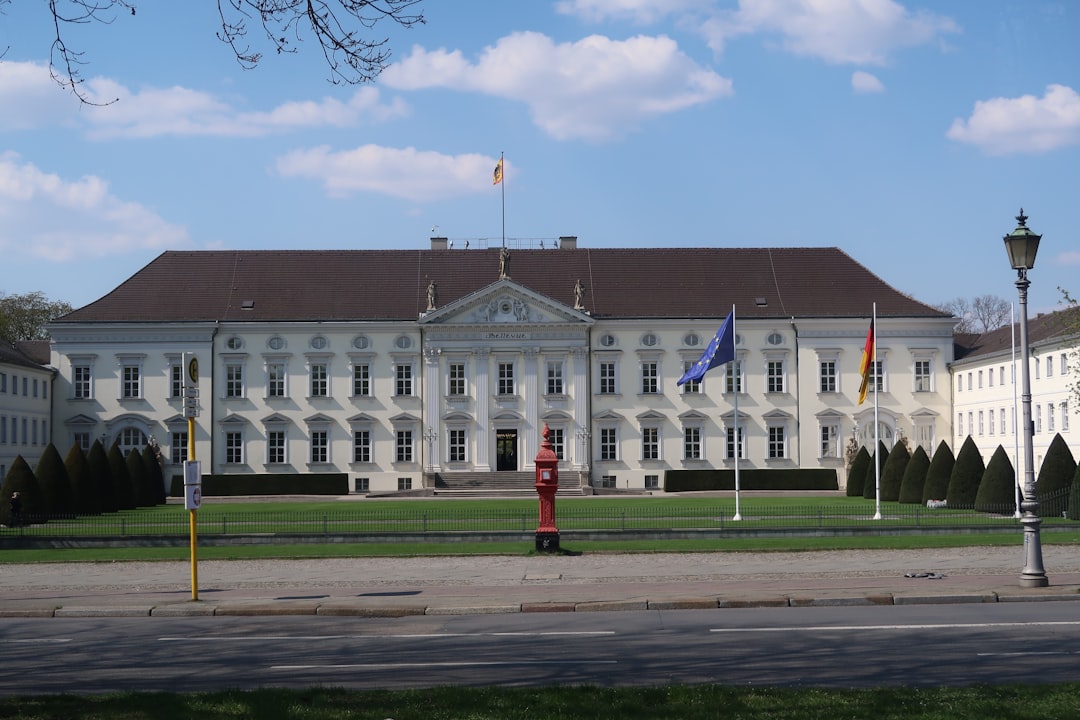
The evacuations mark the first mass diplomatic withdrawal from Tehran since 2012. Back then, European missions pulled staff over Iran’s nuclear program advancement. The pattern repeats with higher stakes.
Iran’s Foreign Ministry called the evacuations a coordinated provocation designed to justify military action. Foreign Minister Amir-Abdollahian accused European governments of abandoning diplomacy. However, Tehran’s own state media acknowledged the gravity of the situation. Press TV reported that Iranian officials view the diplomatic withdrawals as evidence that “Western powers are preparing for escalation rather than seeking peaceful resolution.”
Switzerland maintains its embassy at full capacity. The Swiss mission represents US interests in Iran and handles prisoner exchange negotiations.
Nuclear Leverage Lost
Iran’s uranium enrichment crossed the 80% threshold on December 15. Weapons-grade uranium requires 90% enrichment. The International Atomic Energy Agency confirmed the new levels through centrifuge monitoring at Fordow facility.
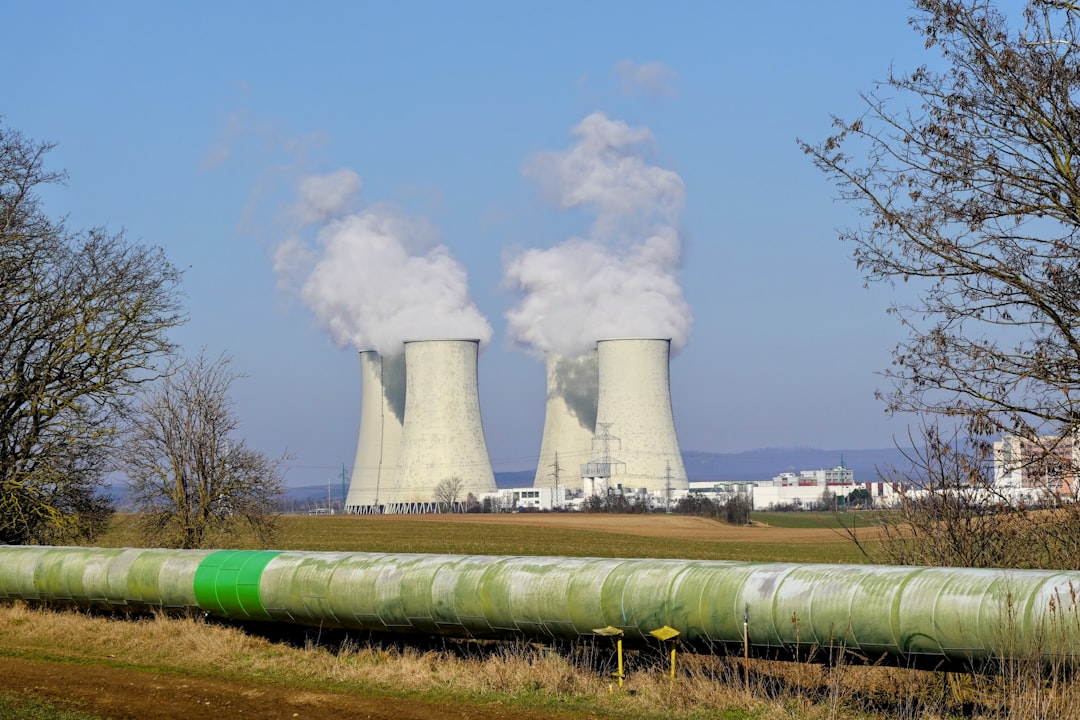
The EU’s compromise proposal offered Iran $47 billion in sanctions relief over three years. In exchange, Iran would cap enrichment at 60% and allow expanded IAEA inspections. Iran’s rejection eliminates the last diplomatic pathway to prevent weapons capability.
Tehran’s calculation changed with the regional conflict. Iran no longer needs economic incentives when oil revenues surge from supply disruptions. Brent crude hit $127 per barrel yesterday, the highest since 2008.
Iranian nuclear negotiator Ali Bagheri Kani stated that Tehran now views nuclear advancement as essential for regional deterrence. “Economic sanctions become irrelevant when national security is threatened,” Bagheri Kani told state media.
The enrichment timeline accelerated. Iran added 1,000 advanced IR-6 centrifuges at Natanz in November. These centrifuges enrich uranium 10 times faster than Iran’s older models. At current rates, Iran produces enough 84% enriched uranium for one nuclear weapon every 45 days.
The 72-Hour Window
European embassies received evacuation orders through NATO’s crisis management system. The system triggers automatic staff reductions when threat levels reach “imminent danger” status.
Iran’s Supreme Leader Ali Khamenei issued a statement calling nuclear weapons “forbidden by Islamic law” but added that Iran reserves the right to “defend itself by any means necessary.” The qualifier represents a shift from previous statements.
The US State Department advised American citizens to leave Iran immediately using commercial flights while airports remain open. Direct flights to European cities continue operating despite the crisis.
Military analysts expect Iran to reach weapons-grade enrichment within 72 hours if it chooses. The remaining gap from 84% to 90% purity requires minimal additional processing time with Iran’s current centrifuge capacity. Russian Foreign Ministry spokesman Dmitry Peskov called the embassy evacuations “premature and counterproductive,” arguing that diplomatic channels should remain open. Moscow maintains its Tehran embassy at full capacity and continues to advocate for renewed nuclear negotiations.
The embassy evacuations signal that European capitals believe diplomacy has failed. Iran’s nuclear program advances while regional conflict eliminates incentives for compromise. The diplomatic quarter empties as the enrichment centrifuges spin faster.