Navy Began Mine-Clearing Before Talks Failed: The Timeline That Doesn’t Add Up
- US Central Command announced mine-clearing operations in the Strait of Hormuz on Saturday at 1:10pm ET while VP Vance was negotiating with Iran
- Trump ordered the blockade Sunday morning, 12+ hours after CENTCOM began operations
- Vance said Iran “chose not to accept our terms” while Trump posted “The meeting went well”
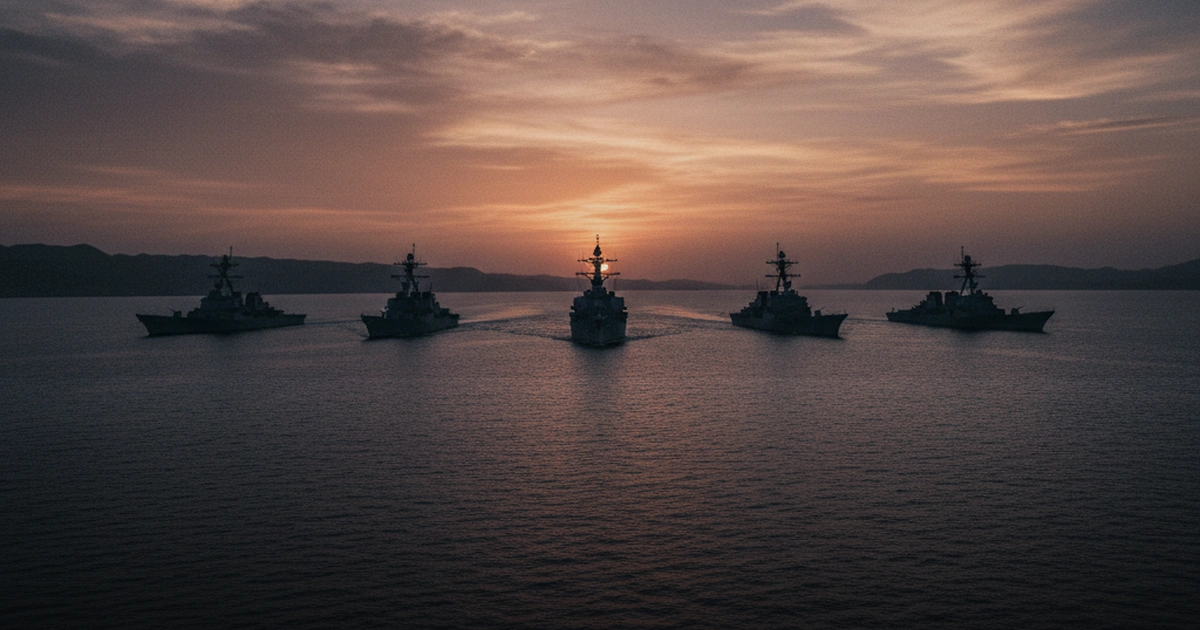
Saturday’s timeline creates a contradiction. At 1:10pm ET, Admiral Brad Cooper announced that two US Navy destroyers “conducted operations in the Strait of Hormuz on Saturday” to clear mines. Cooper told reporters the Navy had begun establishing a new passage.
Vice President JD Vance remained inside negotiations in Islamabad. The 21-hour talks continued until Sunday morning. Trump’s public blockade order came more than 12 hours after CENTCOM started clearing Iranian mines.
The sequence suggests three possibilities. The talks served as political theater. CENTCOM acted without White House authorization. Trump packaged an ongoing operation as an immediate response.
The Saturday Mine-Clearing Operation
Cooper’s announcement was operational, not preparatory. The CENTCOM commander said US destroyers actively cleared Iranian mines. The operation proceeded while Vance negotiated with Iranian Parliament Speaker Mohammad Bagher Ghalibaf.
The timing indicates a predetermined military outcome. If CENTCOM received standing orders for Saturday operations, Vance’s diplomacy carried no weight for US military posture in the Persian Gulf.
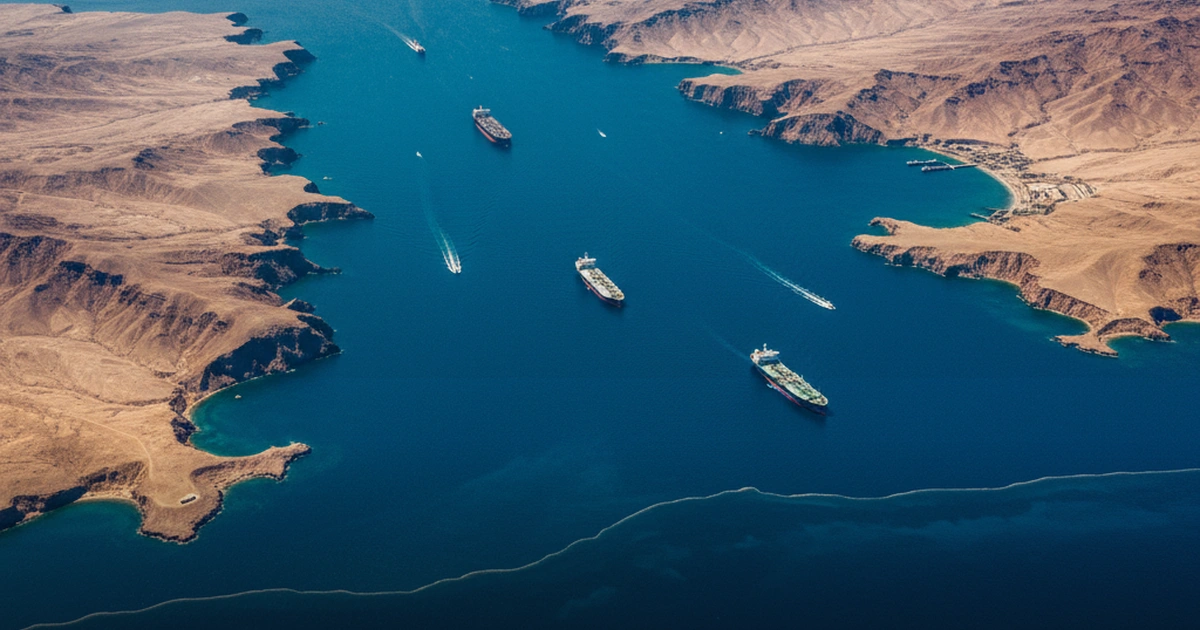
The Strait of Hormuz carries 20% of global oil supply. Iran’s Islamic Revolutionary Guard Corps charges commercial tankers an extortion toll to transit the waterway.
Two Stories, Same Day
Sunday morning produced conflicting narratives from the same administration. Vance held a tarmac press conference before departure. His assessment was direct: “We have not reached an agreement. They have chosen not to accept our terms.”

Trump posted differently on Truth Social: “The meeting went well. Most points were agreed to, but the only point that really mattered was not.” He characterized the talks as productive except for nuclear verification.
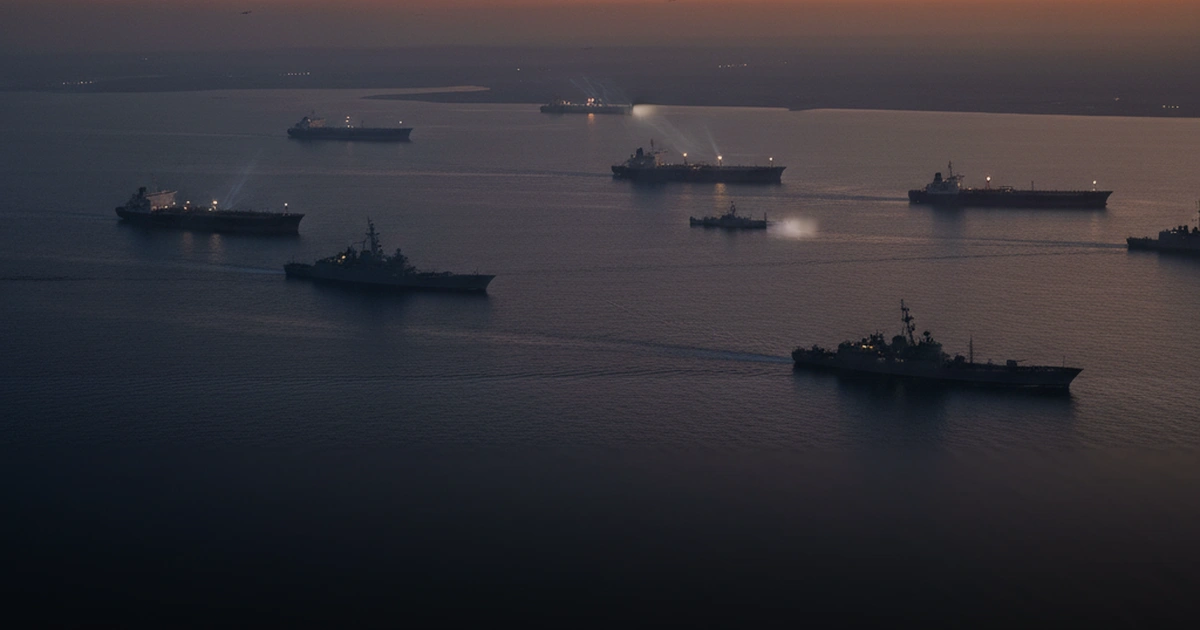
Trump then announced the blockade “effective immediately.” He ordered the Navy to interdict vessels that paid Iran’s toll and destroy Iranian mines. His post concluded: “Any Iranian who fires at us will be blown to hell.”
The Mechanical Problem
Nuclear verification derailed negotiations for technical reasons. Iran’s uranium stockpile sits at 60% purity, close to weapons-grade 90%. The material remains buried under bombing debris from US and Israeli strikes.
International verification requires cameras, seals, and physical access to centrifuge facilities. With enrichment sites inaccessible under rubble, no verification system works. This impossibility prevented Iran from providing nuclear weapon commitments the US demanded.
Iran’s counter-demands included Lebanon ceasefire, halting US-Israeli strikes, sanctions relief, and recognition of civilian enrichment rights.
Iran’s IRGC warned military vessels approaching the strait would face “harsh action” and constitute ceasefire violations. The Guards said the strait stays “open but not to military vessels.”
Commercial ships now risk Iranian seizure for refusing tolls and US interdiction for paying them. The fragile 14-day ceasefire expires April 22, 2026.