U.S.-Iran $20B Deal: Frozen Assets, Not Cash, for Uranium Stockpile
- Axios reports a three-page U.S.-Iran plan under discussion would release up to $20 billion in frozen Iranian funds in exchange for Iran giving up its enriched uranium stockpile
- The money refers to Iranian assets frozen abroad, not new U.S. cash payments to Tehran
- Pakistan hosted direct talks through Sunday, with uranium disposition methods including downblending and possible third-country removal under IAEA oversight
Axios reported that U.S. and Iranian negotiators are discussing a three-page plan to end their conflict, with one element involving the release of up to $20 billion in frozen Iranian funds in exchange for Iran surrendering its enriched uranium stockpile. The viral “cash-for-uranium” framing misses a crucial detail: the money represents Iranian assets already frozen in foreign banks, not fresh U.S. taxpayer funds.
The proposal emerged from Pakistan-hosted talks that extended through Sunday, according to multiple outlets. Iran’s Foreign Minister Abbas Araghchi had previously told CBS in March that Iran offered to “dilute” or “down blend” its 60% enriched uranium as a “big concession” in negotiations.
The Pakistan Track
Pakistan emerged as the primary venue for direct U.S.-Iran negotiations over the weekend. Reuters reported Vice President Vance boarded Air Force Two after talks in Pakistan on Sunday, April 12. Al Jazeera confirmed Pakistan’s Foreign Ministry was facilitating ongoing discussions through Islamabad.
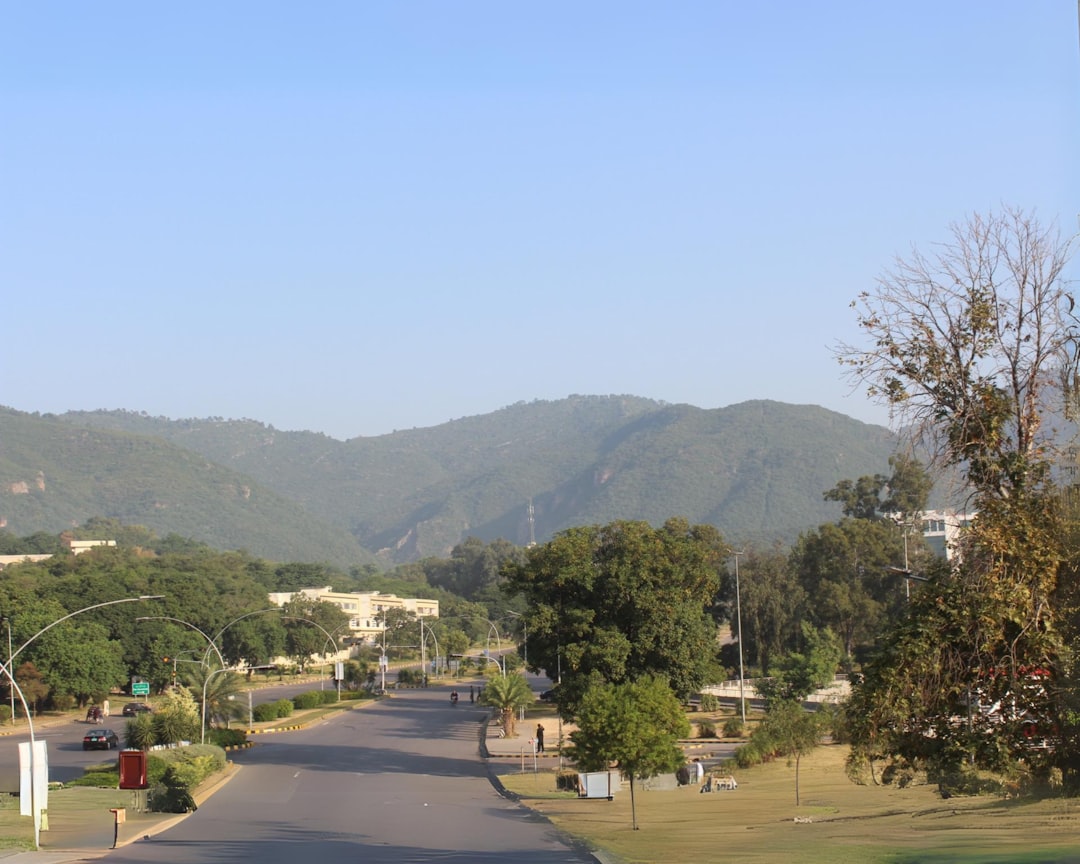
Iranian and American expert teams negotiated for two rounds on Saturday and continued into Sunday, according to IRNA and senior Iranian officials cited by the New York Times. PBS reported that Pakistan helped narrow differences and was seeking a second round in Islamabad.
The talks hit snags over U.S. demands for Iran to freeze uranium enrichment and the amount of frozen money Iran wanted released. Axios reported the U.S. proposed a 20-year enrichment moratorium during the Islamabad talks, while Iran pushed back.
The Uranium Math
Iran’s enriched uranium stockpile remains partially buried under rubble from U.S. strikes. The IAEA’s February report documented that by June 2025, Iran had accumulated 440.9 kg of uranium enriched to 60%, plus 184.1 kg at 20% and 6,024.4 kg at 5%. IAEA Director General Rafael Grossi told CBS in March that much of the 60% stockpile likely remains where it was, “in some cases under rubble, in some cases not.”
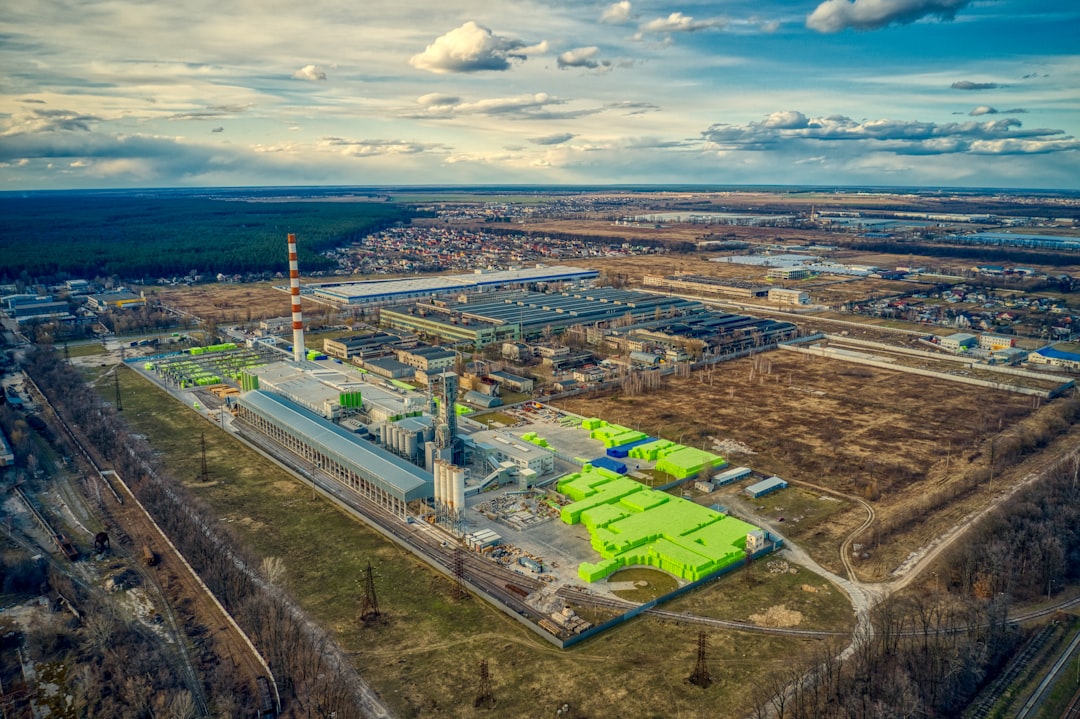
Three uranium disposition methods are under discussion:
- Downblending: Iran dilutes 60% material to lower percentages inside the country
- Third-country transfer: Shipping enriched material out under IAEA supervision
- Zero stockpiling: Complete removal with limited future enrichment for research reactors
Araghchi told CBS the damaged material is “under the rubbles” and any retrieval would occur under IAEA supervision. Grossi separately confirmed negotiators discussed both downblending and “shipping out/exfiltrating” the material, though he emphasized operational difficulties.
Iran has argued that some highly enriched uranium is needed for medical purposes and the Tehran Research Reactor, which uses roughly 20% enriched fuel for medical isotope production.
The $20 Billion Reality
The frozen funds represent Iranian money held in foreign banks, not new U.S. appropriations. Euronews reported that Iran’s frozen assets globally total well over $100 billion, with major holdings in South Korea, Japan, Qatar, UAE, China, Germany, India, and Turkey.
Reuters search results from April 11 indicated an Iranian source claimed the U.S. had agreed to release Iranian frozen assets held in Qatar and other foreign banks, while a U.S. official denied it. The 2023 precedent involved roughly $6 billion in South Korean funds moved to restricted accounts in Qatar for tightly controlled humanitarian use.
If the $20 billion figure proves accurate, it likely means staged access to Iranian money already frozen abroad, potentially under conditions, waivers, or restricted-use arrangements. That mechanism differs materially from handing Tehran fresh U.S. cash.
Arms Control Association analysis suggests officials familiar with the Iranian proposal described it as including a multiyear pause, later resumption of limited enrichment for planned research reactors, and confirmed Iran offered to blend down its 60% stockpile. The public record supports Pakistan-hosted negotiations through Sunday, but not yet a completed deal or fully verified copy of the alleged three-page plan.