Trump Orders Navy to Sink Iranian Ships Defying Hormuz Blockade
- US military blockade of Iranian ports takes effect in the Strait of Hormuz after failed peace talks in Pakistan
- Trump threatens to “eliminate” Iranian ships that challenge the naval interdiction
- Oil prices surge then retreat as markets digest the escalation on day 46 of the US-Iran conflict
President Trump ordered the US Navy to begin a military blockade of Iranian ports in the Strait of Hormuz on April 13, threatening to sink any vessels that defy the interdiction. The blockade began hours after US-Iran talks collapsed in Pakistan, marking the most aggressive US escalation since the conflict began 46 days ago.
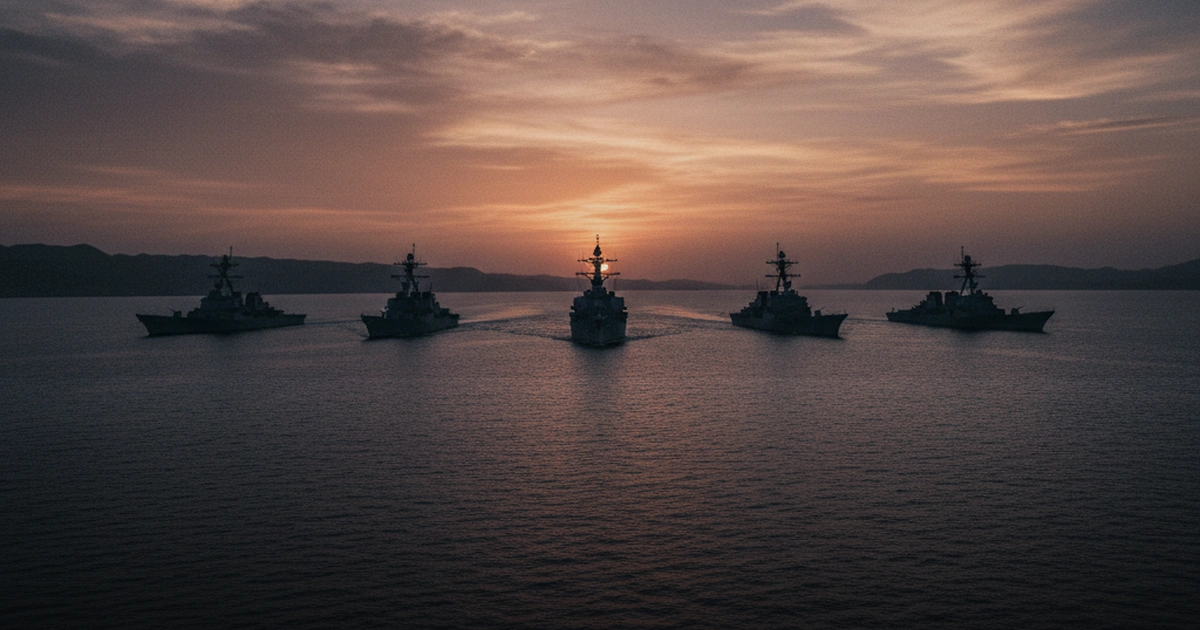
“We will eliminate any Iranian ships approaching our blockade,” Trump declared, as US warships took positions across the strategic waterway that carries 20% of global oil traffic.
The Blockade Takes Effect
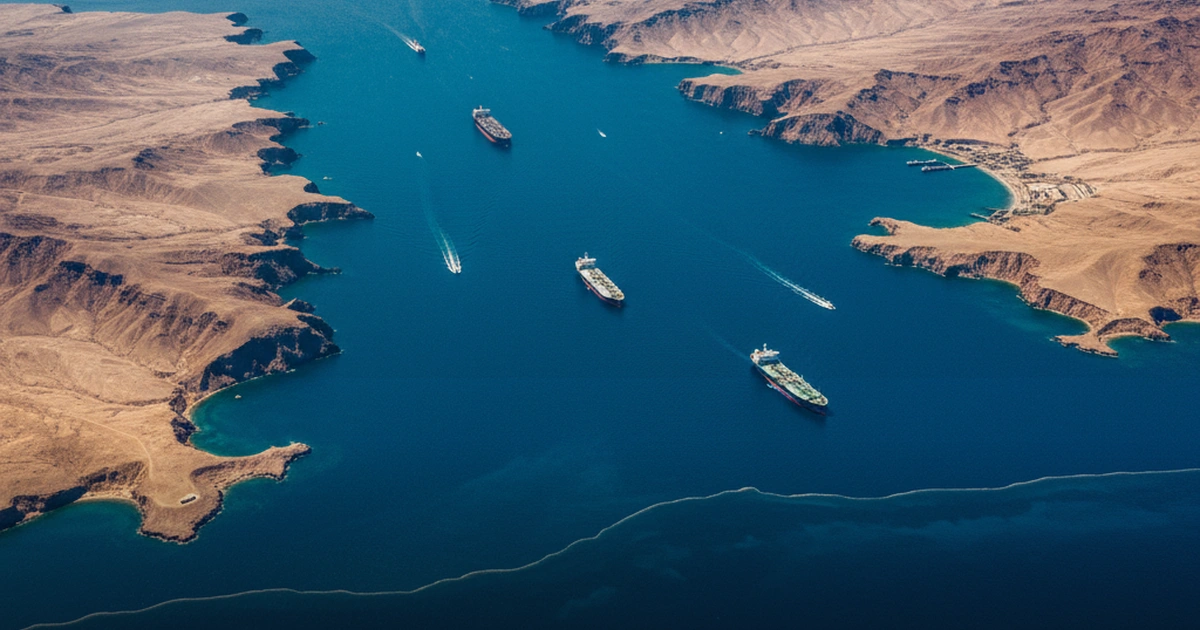
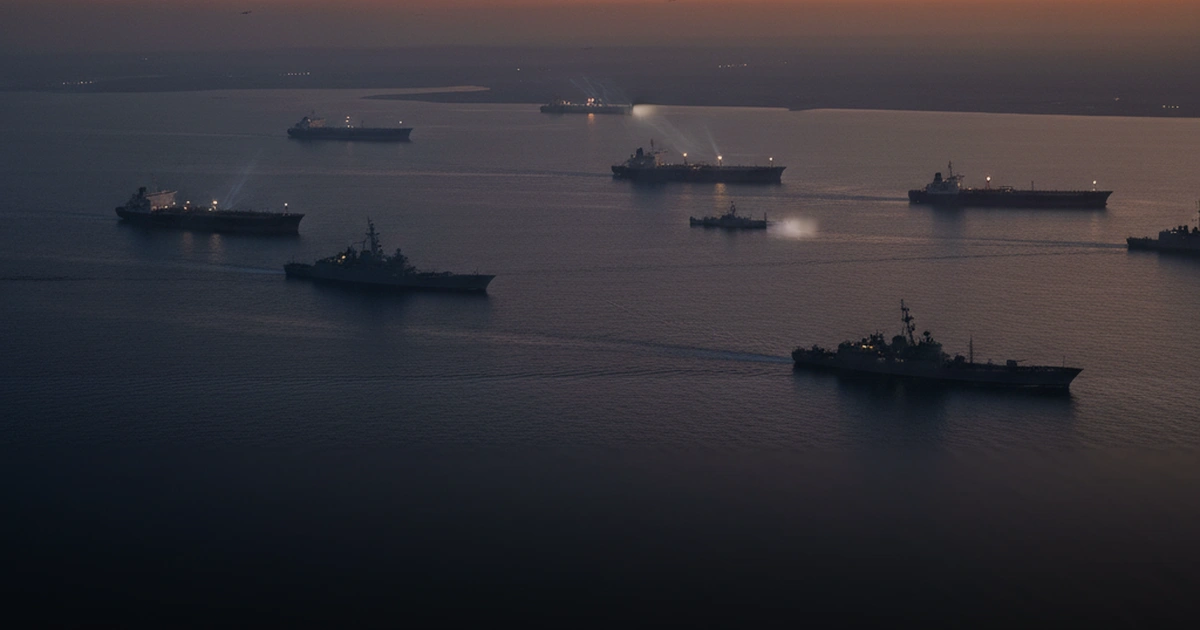
The US military positioned warships throughout the Strait of Hormuz to prevent Iranian-flagged vessels and ships carrying Iranian cargo from transiting the waterway. Initial tracking data showed some tankers continued passing through the strait on the first day of operations.
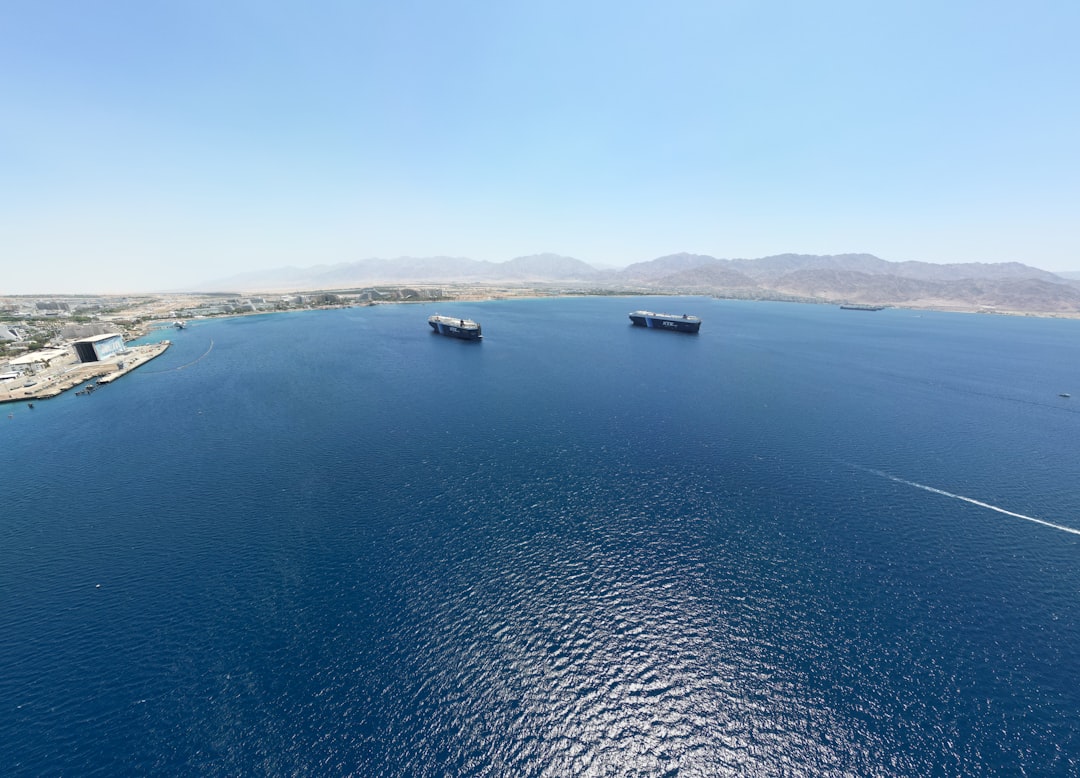
The blockade targets Iran’s ability to export oil and import goods through its southern ports. Vice President Vance called Iran’s previous closure of the strait “economic terrorism” and said the ball is now in Tehran’s court.
Trump’s “sink on sight” directive represents the most explicit military threat issued since the conflict began. The president warned China of “big problems” if Beijing continues supplying weapons to Iran as the blockade takes hold.
Diplomatic Breakdown
The blockade order came after US-Iran peace talks failed in Islamabad, where negotiators could not agree on ceasefire terms. Iran delegates arrived in Pakistan’s capital for what was billed as a breakthrough diplomatic opening.
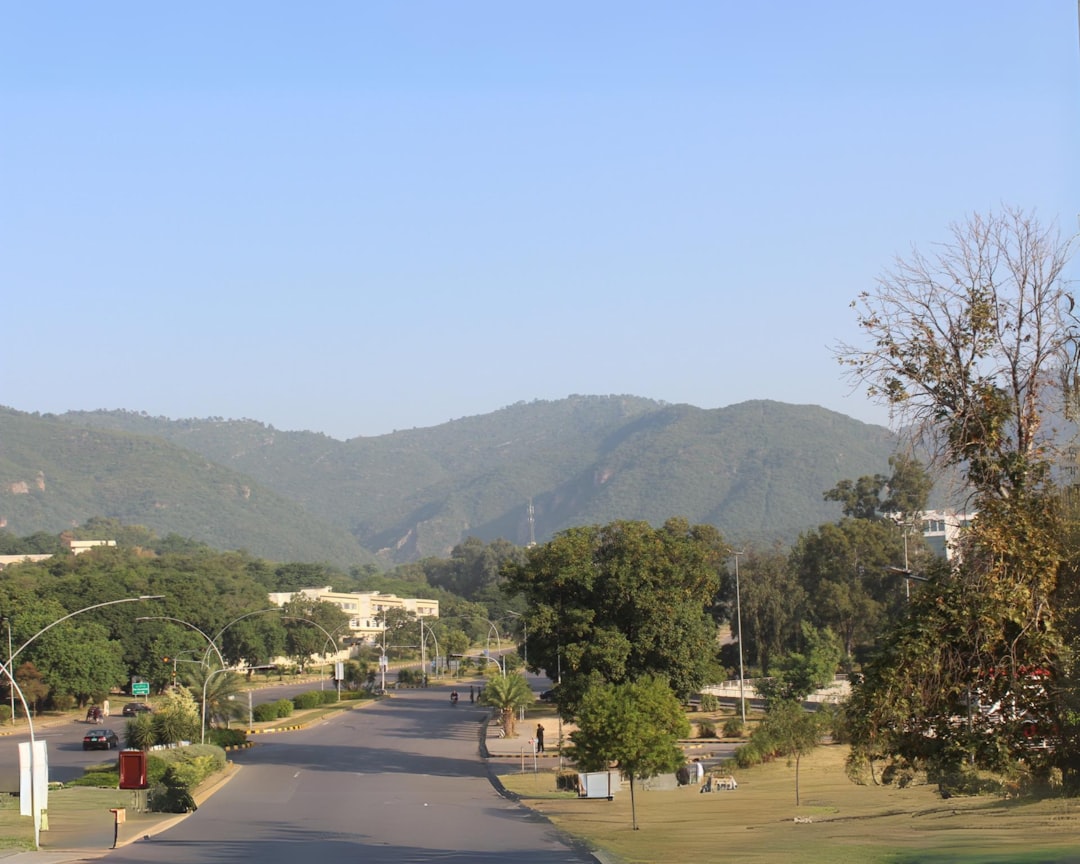
Pakistan immediately proposed a second round of the “Islamabad Process” after the talks collapsed. Sources indicated US and Iranian teams may return to Islamabad later this week despite the blockade.
The diplomatic failure occurred as Trump claimed Iran had “called” about making a deal. Vance said significant progress had been made toward a “grand deal” but Iran must now choose its response to the blockade.
Coalition Fractures and Market Response
The blockade exposed divisions within the US-led coalition. China denounced the US action as “dangerous and irresponsible.” UK Prime Minister Starmer said Britain would not back the blockade of the Strait of Hormuz.
Oil markets initially spiked on blockade news before giving back gains as traders weighed the economic impact. Surging energy costs sparked protests in Haiti as workers demanded salary increases to offset inflation.
Iran has not yet responded militarily to the blockade, but the 48-hour window for escalation remains open as US and Iranian naval forces now operate in close proximity across the world’s most critical energy chokepoint.