Iran President Apologizes, Keeps Firing as Oil Depot Burns
- President Pezeshkian apologized to Gulf neighbors on March 7, then Iran struck them again within hours
- Israel hit Tehran oil depots for the first time, killing 4 workers and blanketing the city in toxic smoke
- Assembly of Experts chose Khamenei’s successor but won’t name him, fearing Israeli assassination
President Pezeshkian did something new on March 7, 2026. He publicly apologized to neighboring countries for Iranian missiles hitting their territory. Within hours, Iran hit them again.
The same day brought two other firsts. The Assembly of Experts announced they had chosen a successor to Supreme Leader Khamenei but could not say his name because Israel promised to kill him before he takes office. For the first time in this war, oil burned in Tehran.
Day 8 revealed a regime fracturing in public view.
The Regime Fractures
Pezeshkian’s apology marked the first crack. He pledged to halt strikes unless attacks on Iran originated from Gulf territory. Then he walked it back, claiming Iran had only targeted “US military bases, facilities, and installations” on their soil, not the countries themselves.
The hardliner backlash came immediately. Cleric and lawmaker Hamid Rasai called Pezeshkian’s stance “unprofessional, weak, and unacceptable,” according to Fars News.
The broken promise followed within hours. Dozens of strikes hit Gulf countries after Pezeshkian’s pledge. Iran fired 16 ballistic missiles and 121 drones at the UAE alone on March 8. Saudi Arabia recorded its first deaths: one Indian national and one Bangladeshi national killed when a projectile hit a residential compound in Al-Kharj. Twelve Bangladeshi workers were injured.
Iranian drones damaged Bahrain’s water desalination plant. Jordan reported 119 total Iranian attacks since the conflict began.
Iranian officials defended the continued strikes. “We target only military installations of the occupying forces,” Iranian Foreign Ministry spokesman Nasser Kanaani said in a statement, according to IRNA. Regional powers offered different assessments of the situation. UAE Foreign Minister Abdullah bin Zayed Al Nahyan called for “immediate de-escalation” and urged Iran to honor diplomatic commitments, according to Emirates News Agency. Qatar’s Emir Sheikh Tamim bin Hamad Al Thani stated that “dialogue, not military action” should resolve regional tensions, reports Al Jazeera.
The question became unavoidable: Does the elected president of Iran control the Iranian military? The evidence from Day 8 says no.
Meanwhile, the Assembly of Experts faced its own crisis. Mohsen Heydari confirmed they had determined “the most suitable candidate, approved by the majority.” Mojtaba Khamenei, the Supreme Leader’s 56-year-old son, was widely reported as the front-runner.
They will not name him publicly. Israel has threatened to “pursue every successor and every person who seeks to appoint a successor.” The selection process itself becomes a target.
Oil Burns for the First Time
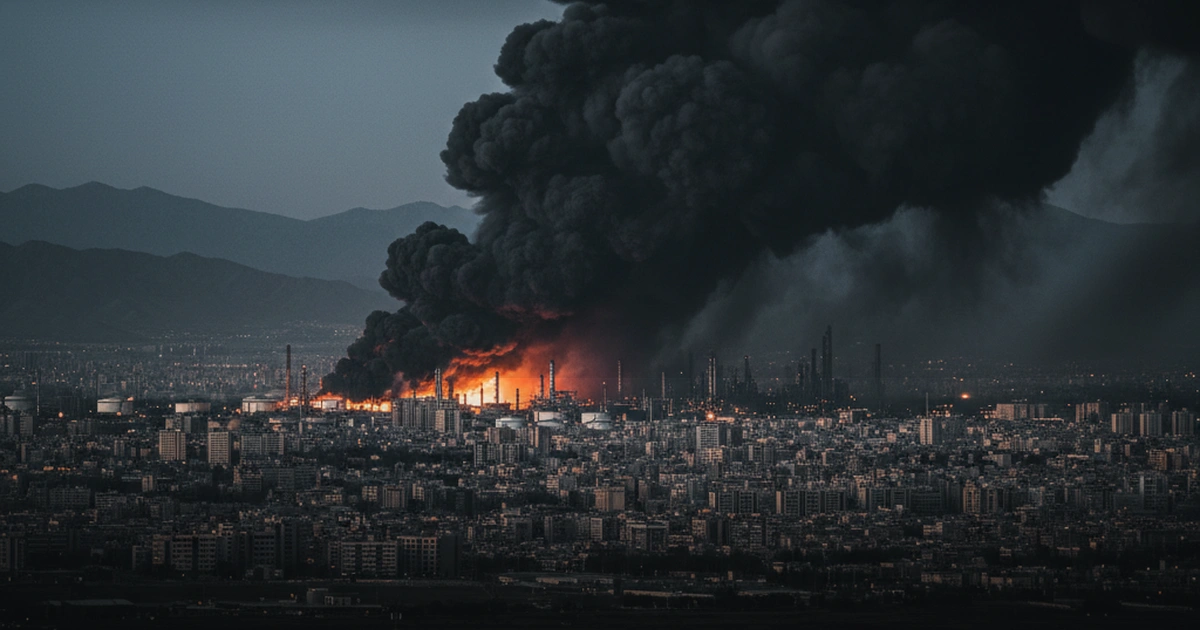
March 8 brought the war’s first strikes on Iranian oil infrastructure. Israel hit four facilities in and around Tehran: the Aghdasieh oil warehouse in northeast Tehran, the Tehran refinery in the south, the Shahran oil depot in the west, and an oil depot in Karaj west of the capital.
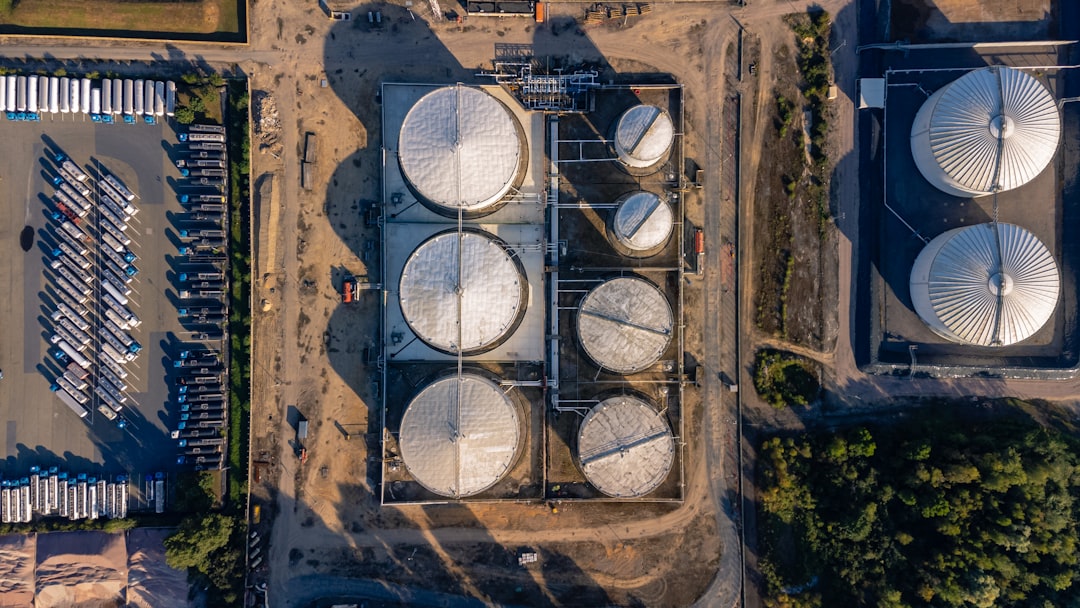
Four oil distribution employees were killed. A toxic dark haze settled over Tehran. Authorities warned residents to stay indoors as toxic rain began falling on the city.
Until now, strikes had focused on military, nuclear, and command infrastructure. Oil represents both civilian infrastructure and Iran’s economic lifeline. The country derives 80% of its export revenue from oil sales.
Iran retaliated by claiming strikes on Israel’s Haifa oil refinery. Israeli officials disputed the effectiveness of the attack, with Energy Minister Eli Cohen stating that “minimal damage occurred to outer perimeter structures with no impact on operations,” according to The Jerusalem Post.
The broader air campaign continued its systematic degradation. Israel struck 16 Iranian Quds Force aircraft at Tehran’s Mehrabad Airport, used for funds and weapons transfers to Hezbollah. The IDF claims 80% of Iranian air defenses have been destroyed and that Israel now has “near-complete control of Iranian airspace.”
Iranian military officials offered different assessments. Revolutionary Guards aerospace commander Brigadier General Amir Ali Hajizadeh claimed Iranian air defense systems “successfully intercepted 70% of hostile aircraft and missiles,” though international observers noted no independent verification of this figure.
Satellite analysis confirmed damage at the Natanz and Mojdeh nuclear facilities, plus a covert nuclear weapons development site called “Minzadehei.”
The Strait Shuts Down
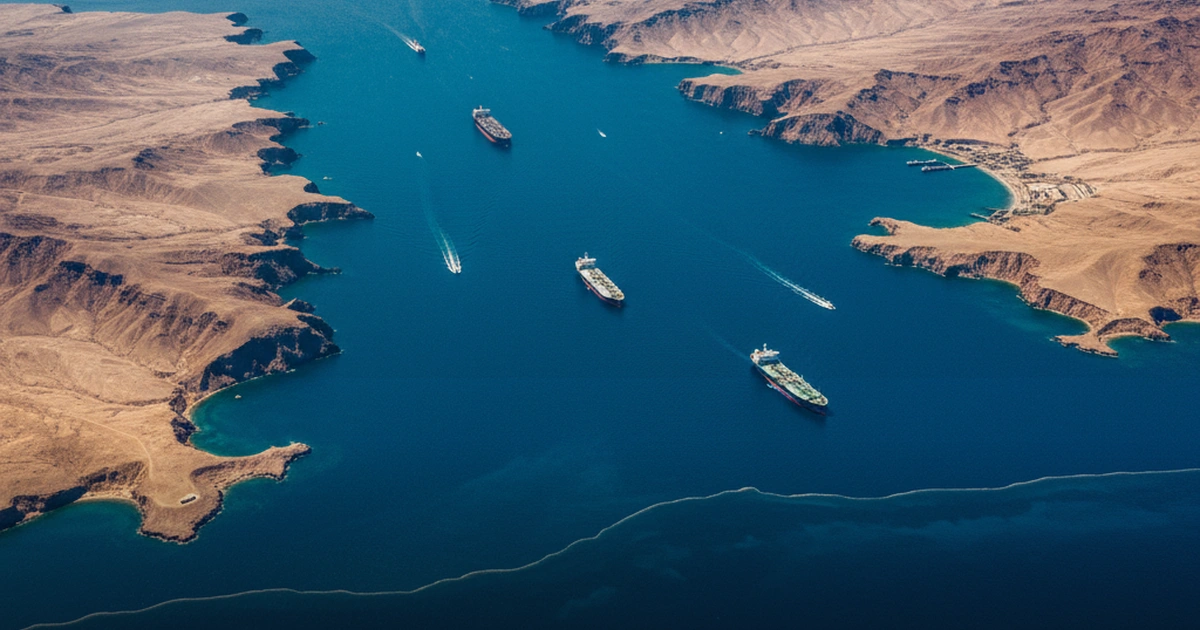
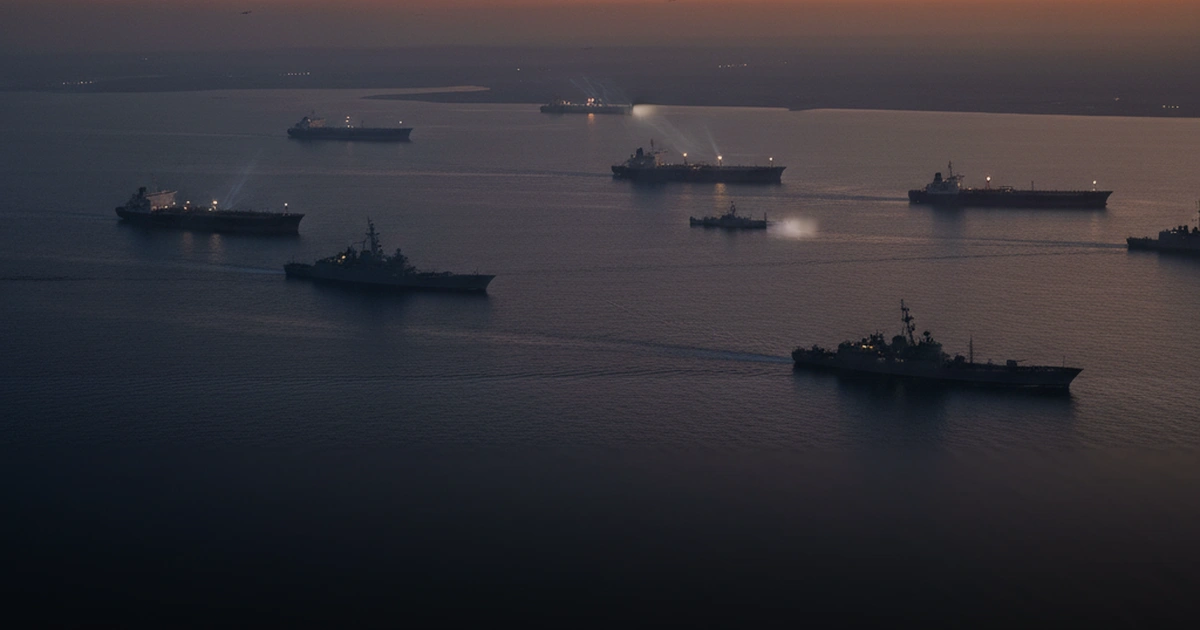
The Strait of Hormuz recorded only three vessel crossings on March 7, down from dozens per day normally. Traffic has dropped 70% from pre-war levels without Iran laying a single mine.
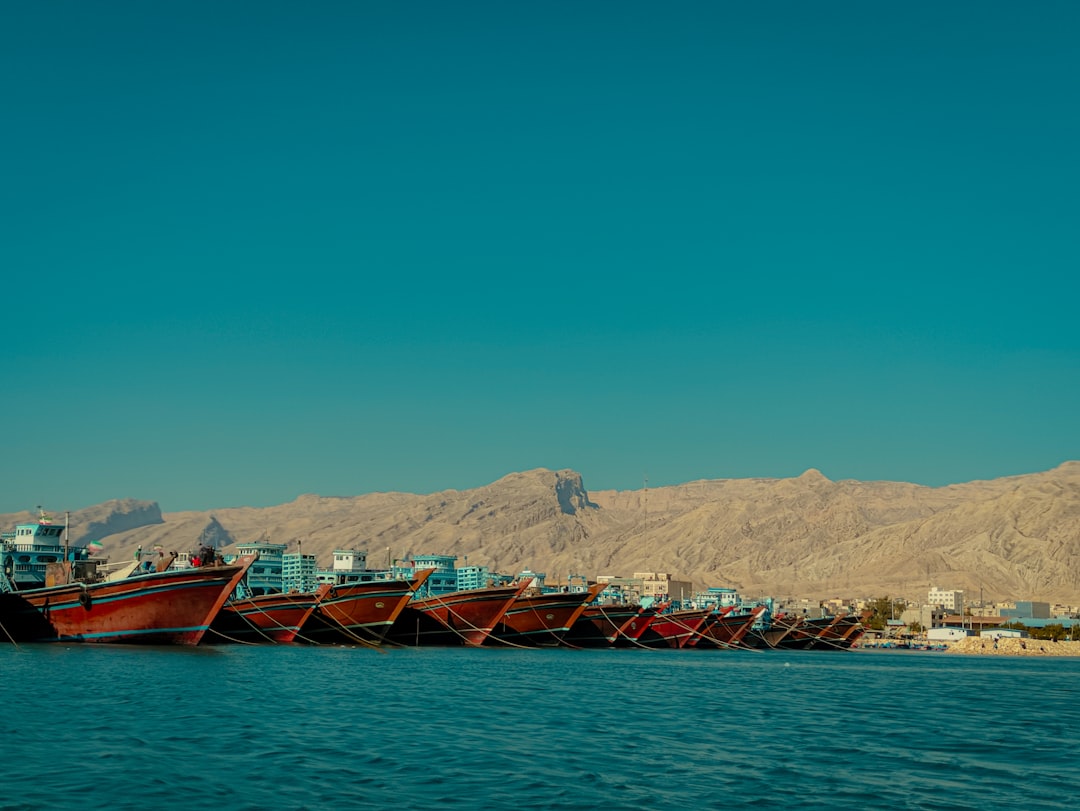
Insurance companies issued cancellation notices on Gulf war-risk coverage. Maersk suspended all vessel crossings until further notice. The insurance market accomplished what Iran’s navy could not: a de facto closure of the world’s most critical oil chokepoint.
Brent crude hit $84 per barrel, up 27% in the biggest weekly gain since COVID-19. US gas prices reached $3.41 per gallon, up 43 cents in one week. Qatar’s Energy Minister warned Gulf exports could halt “within weeks,” according to Al Jazeera.
Iran struck the oil tanker Prima with a drone in the Persian Gulf and hit the US tanker Louise P in the Strait itself. A tugboat assisting a damaged ship was struck by two missiles on March 6, reportedly killing eight crew members.
China is preparing to offer Iran financial assistance and missile components, intelligence assessments indicate. The economic pressure is forcing Iran to seek external lifelines.
The war is costing $1 billion per day. Five billion has been spent in the first week. The White House is drafting a $50 billion supplemental funding request.
The Lebanon front reopened with Israeli ground forces clashing with Hezbollah in the Bekaa Valley. Israel struck the Ramada Hotel in central Beirut on March 8, killing four and claiming to eliminate three key Quds Force commanders. Hezbollah declared “the era of patience has ended.”
Day 8 marked the first time the regime’s fractures became visible to the world. A president who cannot control his own military. A succession process that cannot be spoken aloud. An apology overruled within hours.
The oil fires in Tehran may prove less significant than the political fires consuming the regime from within.