Iran Names New Supreme Leader as Gulf War Spreads to Six Nations
- Mojtaba Khamenei named Iran’s new Supreme Leader by Assembly of Experts after IRGC pressure
- Iran launched Operation True Promise 4, striking Israel and five Gulf states with missiles and drones
- Oil prices surged past $119/barrel as the Strait of Hormuz remains effectively shut
Iran escalated its nine-day conflict with the US and Israel into a regional war March 9, launching simultaneous strikes on Israel and five Gulf states hours after naming a new Supreme Leader. The coordinated assault marks Tehran’s most aggressive response yet to Israeli strikes that have devastated its oil infrastructure and military command centers.
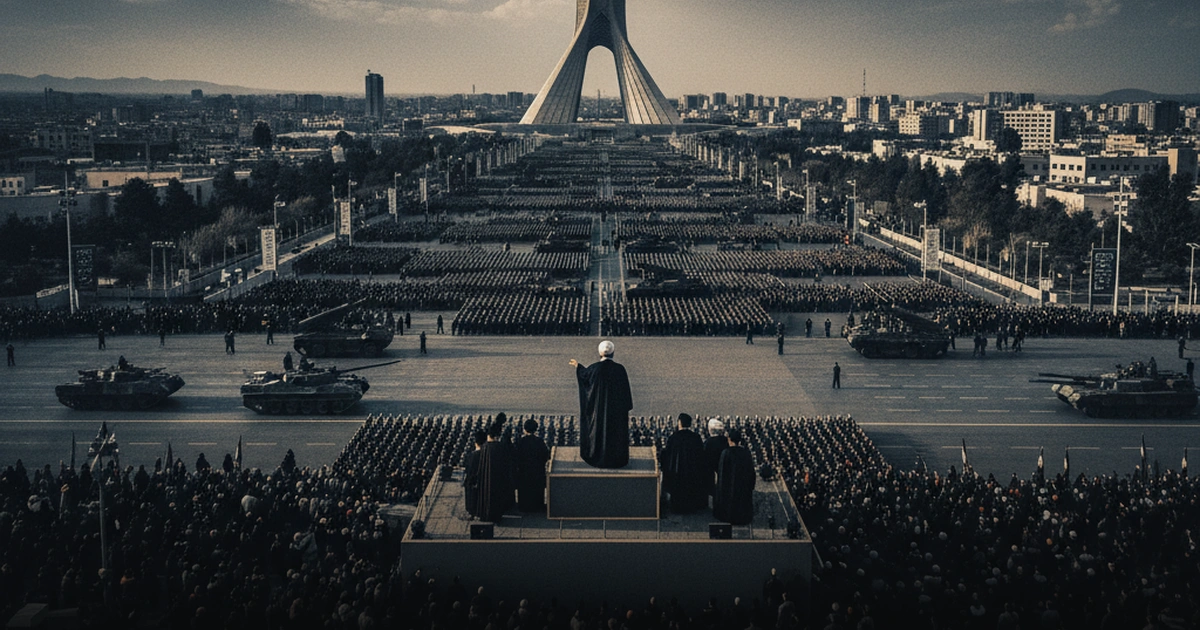
Mojtaba Khamenei, the 55-year-old son of the former Supreme Leader, assumed power through what sources describe as IRGC pressure on the Assembly of Experts. His elevation coincided with Iran’s broadest military offensive since the conflict began March 1.
The Gulf Offensive
Iran’s Operation True Promise 4 struck six nations simultaneously. Qatar faced 17 ballistic missiles and 6 drones. Kuwait’s international airport lost two fuel depots to Iranian drones, triggering large fires. The UAE, Bahrain, and Saudi Arabia also reported incoming missiles.

Iranian missiles carrying cluster warheads struck Tel Aviv and Petah Tikva, injuring six civilians. Israeli air defenses failed to intercept all incoming projectiles. Two missiles confirmed hits in northern and central Israel, according to ISW analysis.
The assault prompted immediate US action. Washington ordered staff evacuations from Saudi Arabia as the conflict spread across the Gulf. The UK Royal Air Force intercepted an Iranian drone heading for Iraq, marking Britain’s first direct kinetic intervention.
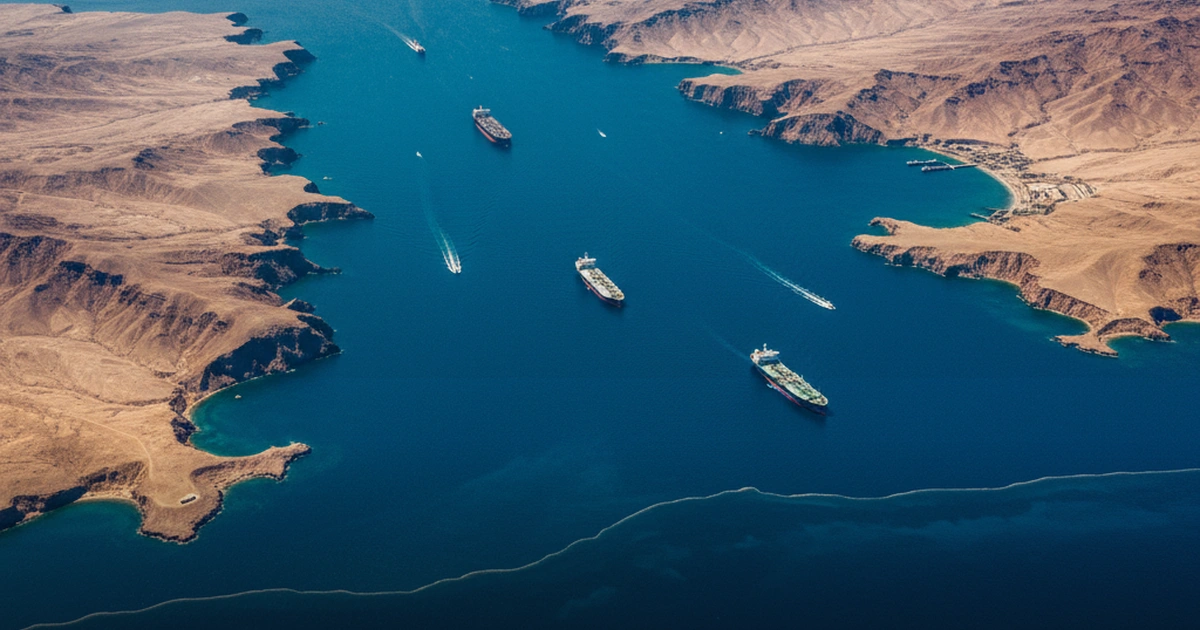
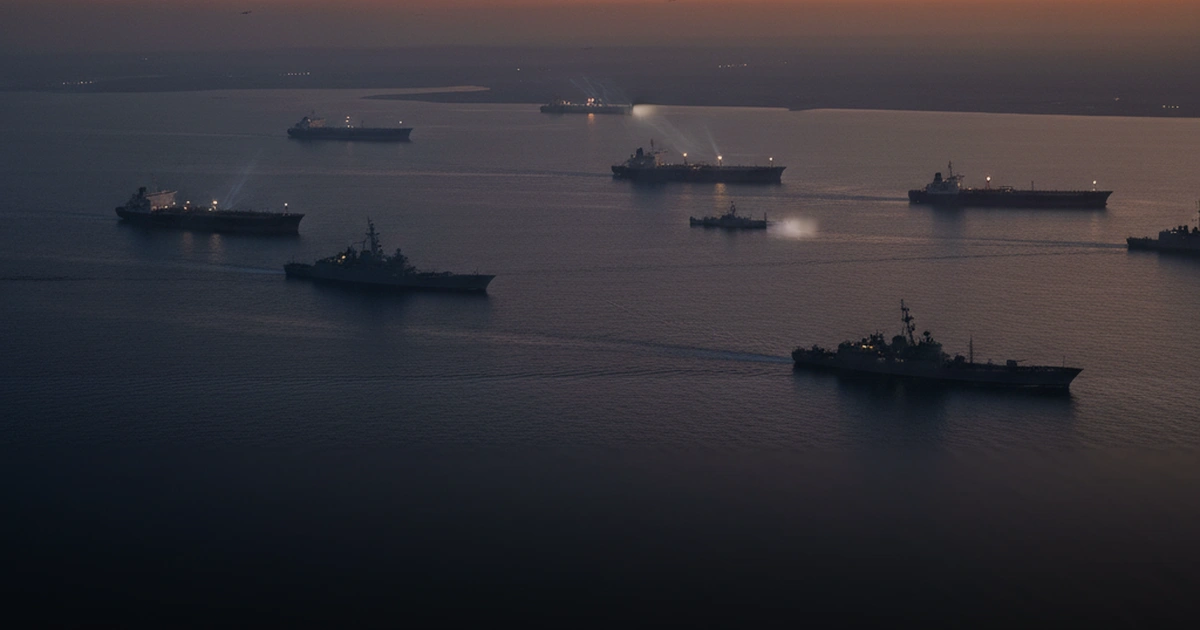
Oil markets reacted violently. Brent crude surged past $119 per barrel, the first time above $100 since Russia’s 2022 Ukraine invasion. US gas prices jumped 50 cents in one week. The Strait of Hormuz recorded only 3 tanker crossings March 7, down from typical daily traffic of 90 vessels.
The Succession Gambit
The timing connects Iran’s leadership transition to its military escalation. The IRGC pressured the Assembly of Experts to select Mojtaba Khamenei through an online meeting March 3, according to Carnegie Endowment analysis. The selection occurred as Israeli strikes devastated Iran’s command structure.
US-Israel forces struck IRGC General Command headquarters and IRGC Intelligence Organization headquarters in southeastern Tehran March 8. The same day, strikes hit four oil storage facilities and an oil products transfer center, filling Tehran with toxic smoke.
Iran’s Foreign Minister Araghchi publicly denied the Islamic Republic had selected a new Supreme Leader. This directly contradicted Assembly of Experts member Alamolhoda’s on-record confirmation. The denial suggests internal divisions over the succession process.
Mojtaba Khamenei operated behind scenes from his father’s office and maintains deep IRGC ties, according to Iran International. His hardline credentials align with the military’s preference for escalation over negotiation.
Iran’s military losses mount daily. The Pentagon identified its 7th US soldier killed: Sgt. Benjamin Pennington died March 8 from injuries sustained March 1 at Prince Sultan Air Base. Iranian casualties exceed 2,100 military personnel killed, with over 1,200 civilian deaths.
The Economic Weapon
The oil infrastructure strikes represent a strategic shift. US-Israel forces targeted Iranian oil production and storage for the first time, hitting two refineries plus two storage facilities. Iranian officials characterized the attacks as entering a “dangerous phase”, warning of environmental catastrophe from hazardous material release.
CSIS estimates Operation Epic Fury’s first 100 hours cost $3.7 billion. Iran’s retaliation now threatens global energy supplies. Bahrain’s Bapco Energies declared force majeure due to Iranian attacks on its refinery complex.
The conflict shows no diplomatic momentum. Iran’s Foreign Minister stated Iran is “not asking for a ceasefire” and sees “no reason to negotiate”. Trump declared Iran wants talks but “it’s too late,” calling Mojtaba Khamenei “unacceptable.”
Congressional oversight remains limited. The Senate voted 47-52 to defeat a war powers resolution. The House voted 219-212 against requiring congressional approval for continued operations.
With six nations now under fire and oil above $119, Iran’s new Supreme Leader faces the same choice as his predecessor: escalate or negotiate. The IRGC just answered that question for him.