Iran Widens War as Trump Claims ‘Nothing Left to Target’
- Iran fired ballistic missiles at Qatar, Saudi Arabia, and Kuwait on March 10-11 while explicitly rejecting ceasefire talks
- Trump told Axios there is “practically nothing left to target” in Iran as the war enters Day 12
- Defense Secretary Hegseth said Iran’s missile capacity is degraded 90%, but Iran fired its lowest daily missile count yet still struck three new countries
Iran expanded its target list to three Gulf states while rejecting any ceasefire negotiations, directly contradicting President Trump’s assessment that the war is winding down due to target exhaustion. On March 10-11, Iranian forces fired drones at Saudi Arabia and Kuwait and launched five ballistic missiles at Qatar’s capital.
Parliament Speaker Mohammad Qalibaf and Foreign Minister Araghchi both explicitly rejected talks, declaring Iran will strike “as long as needed.” The expansion came as Trump insisted to Axios that Iran has “practically nothing left to target” and predicted the war will end “soon.”
Iranian state media presented a sharply different narrative. Iran’s Press TV reported that Tehran’s strikes were “defensive responses to unprovoked American-Israeli aggression against Iranian sovereignty.” The outlet quoted Revolutionary Guard Commander Hossein Salami saying “our missile capabilities remain intact and our resolve strengthens with each attack on our homeland.”
The Gulf Escalation
Iran struck three Gulf states in 12 hours, marking the conflict’s first attacks on Saudi Arabia, Kuwait, and Qatar. All projectiles were intercepted with no casualties reported, but the geographic expansion signals Iran’s shift from defensive to offensive targeting.
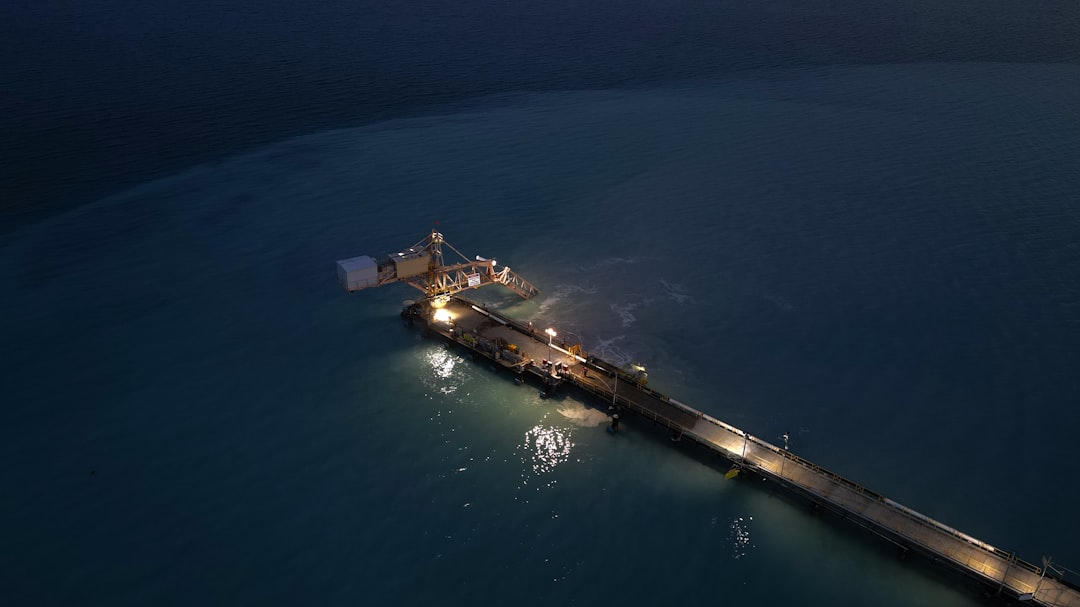
Qatar intercepted five Iranian ballistic missiles aimed at Doha early March 11. Hours earlier, Saudi and Kuwaiti air defenses destroyed Iranian drones crossing their airspace. The attacks marked Saudi Arabia’s first targeting since the conflict began March 1.
An Iranian missile was intercepted over Gaziantep, Turkey, prompting the US to order consulate staff departures from Adana. NATO Secretary-General Rutte said the incident does not trigger Article 5 collective defense provisions.
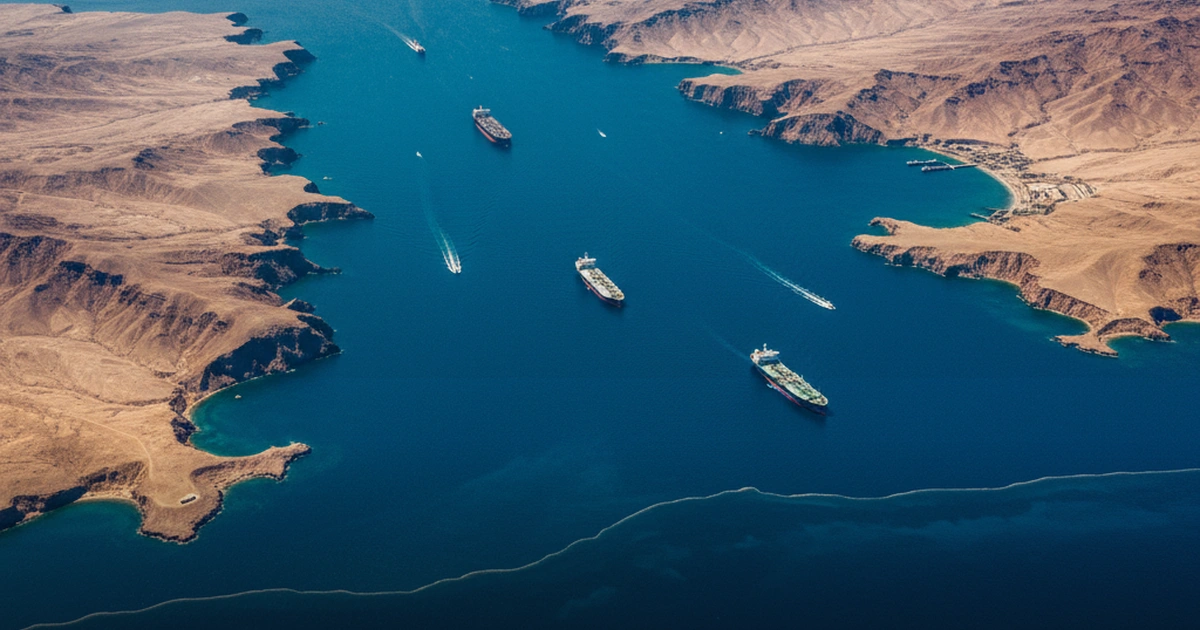
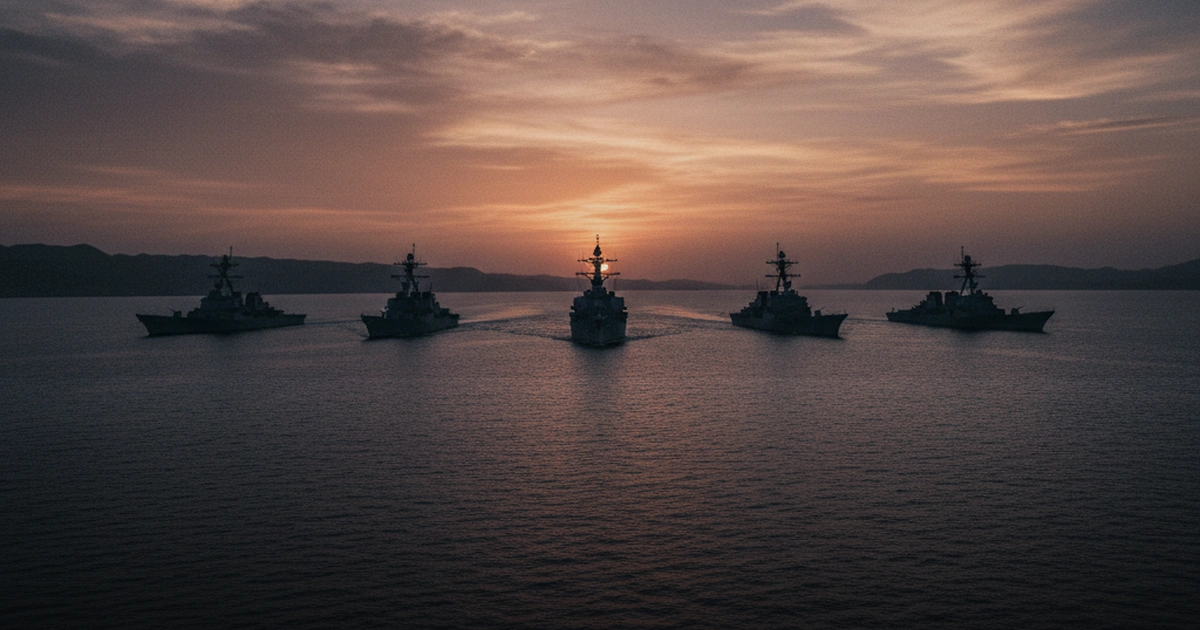
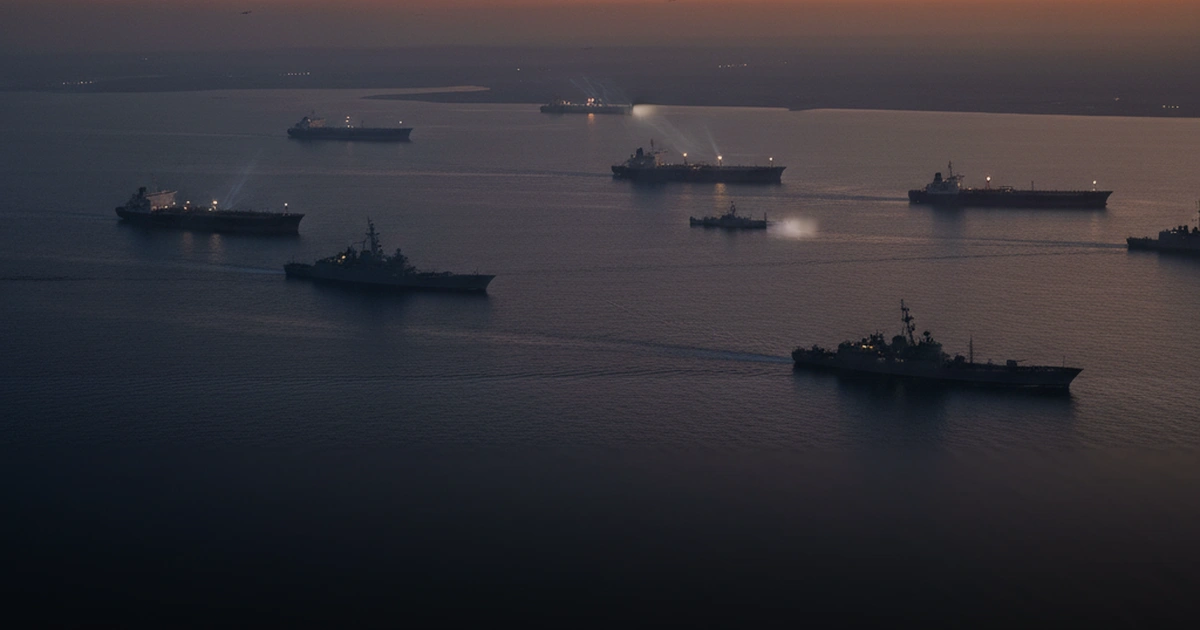
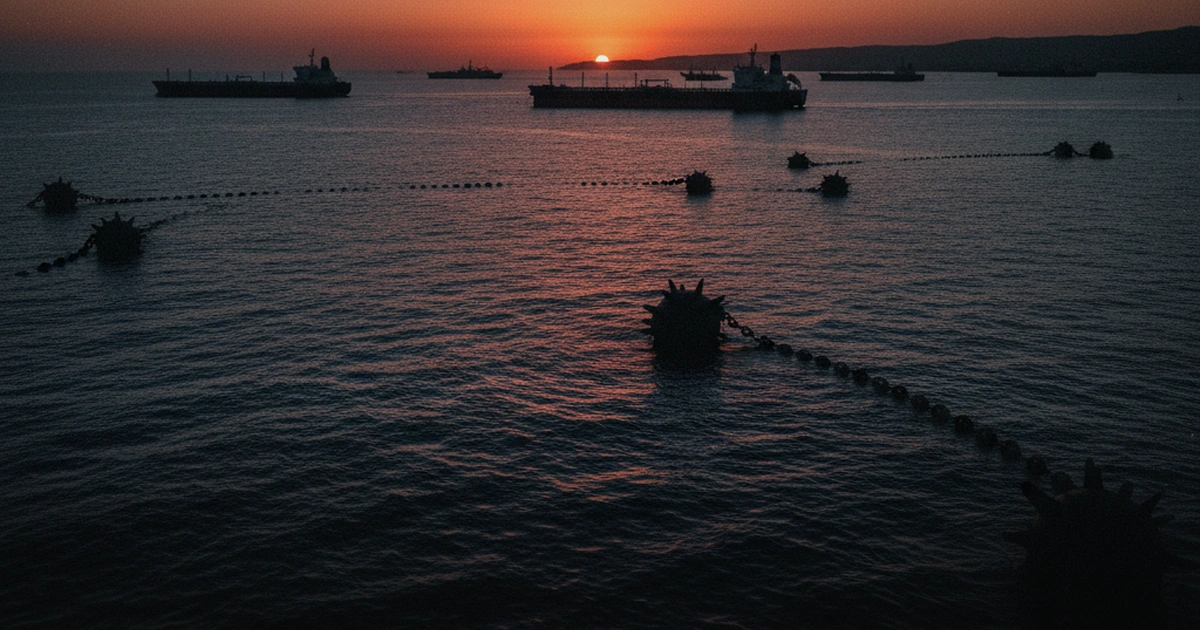
The Gulf strikes coincided with Iran deploying naval mines in the Strait of Hormuz, which Trump warned would bring “military consequences.” US forces destroyed 16 Iranian mine-laying vessels, but intelligence estimates suggest Iran retains 80-90% of its small boat capacity.
Iranian officials justified the escalation as proportional response. IRNA news agency quoted Defense Minister Aziz Nasirzadeh saying “American forces use these Gulf states’ airspace and facilities to attack Iran. We will target any platform used against us.”
The Target List Reality
Trump’s “nothing left to target” claim conflicts with ongoing US strike patterns and Iranian military capacity assessments. Defense Secretary Hegseth said Iran’s missile capacity is degraded 90%, yet Iran continues launching ballistic missiles daily across multiple fronts.
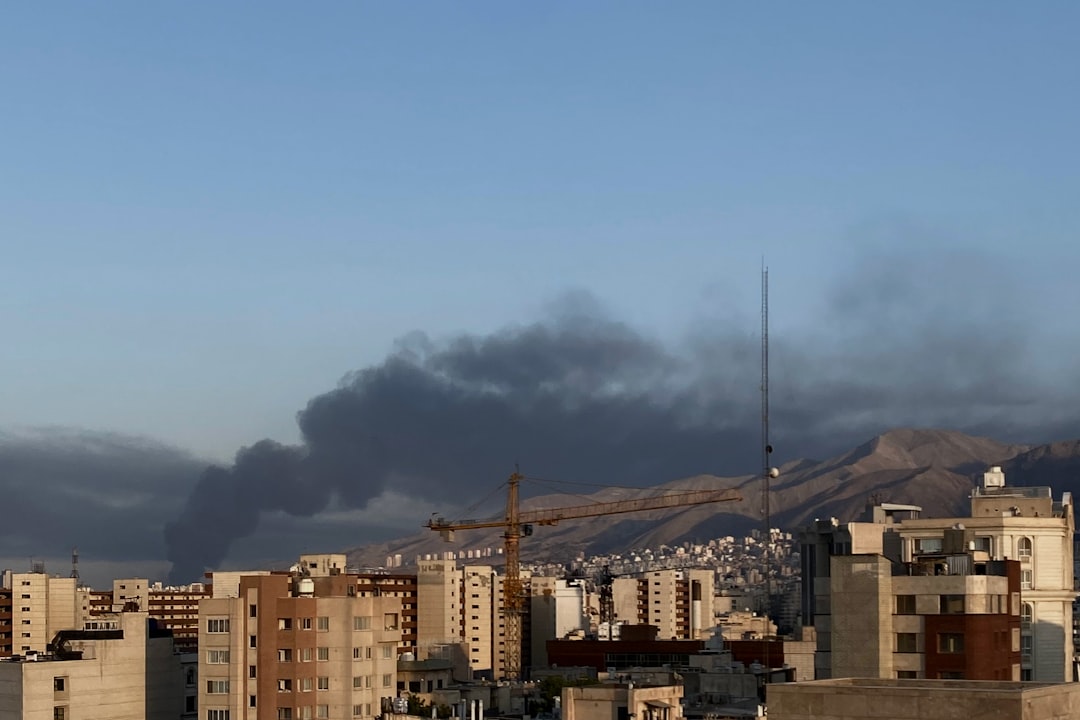
The Institute for the Study of War found Iran fired its lowest missile count in any 24-hour period on March 10, but 50% of ballistic missiles now carry cluster warheads. The shift to cluster munitions suggests Iran is adapting tactics rather than approaching capacity exhaustion.
Tehran experienced what residents called the “worst night of aerial bombardment” on March 10, with “black rain” falling after oil facility strikes. The IAEA reported Natanz entrance buildings damaged but underground facilities intact, while Rosatom evacuated personnel from the Bushehr nuclear plant.
Iran launched “strategic” missile salvos using Fattah, Emad, and Khaibar missiles at Tel Aviv and US forces. The targeting of three new Gulf states suggests Iran is expanding rather than contracting its operational scope.
Defense analysts offered mixed assessments of Iranian capability. Former Pentagon official Michael Knights told Reuters that Iran’s reduced fire rate indicates serious capacity constraints, while Jane’s Defense Weekly assessed that Iran retains substantial underground missile production facilities.
The Contradiction
Iran’s rejection of ceasefire talks while expanding to Gulf targets directly contradicts Trump’s timeline prediction. 140 US service members have been wounded in the first 10 days, indicating sustained Iranian strike capability despite claimed capacity degradation.
Lebanese President Aoun called for a “complete ceasefire” and pledged Hezbollah disarmament, but Iranian officials showed no interest in regional de-escalation. The Gulf expansion suggests Iran views the conflict as an opportunity to reshape regional power dynamics rather than seeking an exit.
Both sides maintain they are winning. Trump projects confidence about Iran’s diminished capacity while Iranian leaders insist their strategic position strengthens with each American strike. The Gulf state expansion indicates escalation rather than de-escalation, regardless of which assessment proves accurate.
The war is widening, not winding down. Iran fired at three new countries while explicitly rejecting talks.