Day 12: Iran Widens War as Trump Claims ‘Nothing Left to Target’
- Iran attacked Saudi Arabia and Kuwait for the first time, expanding the conflict beyond the Persian Gulf
- Qatar intercepted five Iranian ballistic missiles aimed at Doha as Tehran targeted new regional allies
- Trump told Axios there’s “practically nothing left to target” in Iran while the Pentagon reported 140 US service members wounded
On Day 12 of Operation Epic Fury, Iran expanded its attacks to include Saudi Arabia and Kuwait for the first time while President Trump declared the war would end “soon” because there is “practically nothing left to target” in Iran. The contradiction played out in real time as Iranian drones struck at Saudi and Kuwaiti targets early March 11, even as Trump’s interview with Axios aired claiming victory was imminent.
Iran fired drones at Saudi Arabia and Kuwait early March 11, marking the first time Tehran had directly targeted either country since the conflict began. All incoming drones were intercepted with no casualties reported. The attacks came hours after Qatar’s air defense systems intercepted five Iranian ballistic missiles aimed at Doha.
The regional expansion contradicts Trump’s assessment. Iran’s leadership explicitly rejected any ceasefire talks, with Parliament Speaker Qalibaf and Foreign Minister Araghchi both stating Iran would strike “as long as needed.”
The Regional Expansion
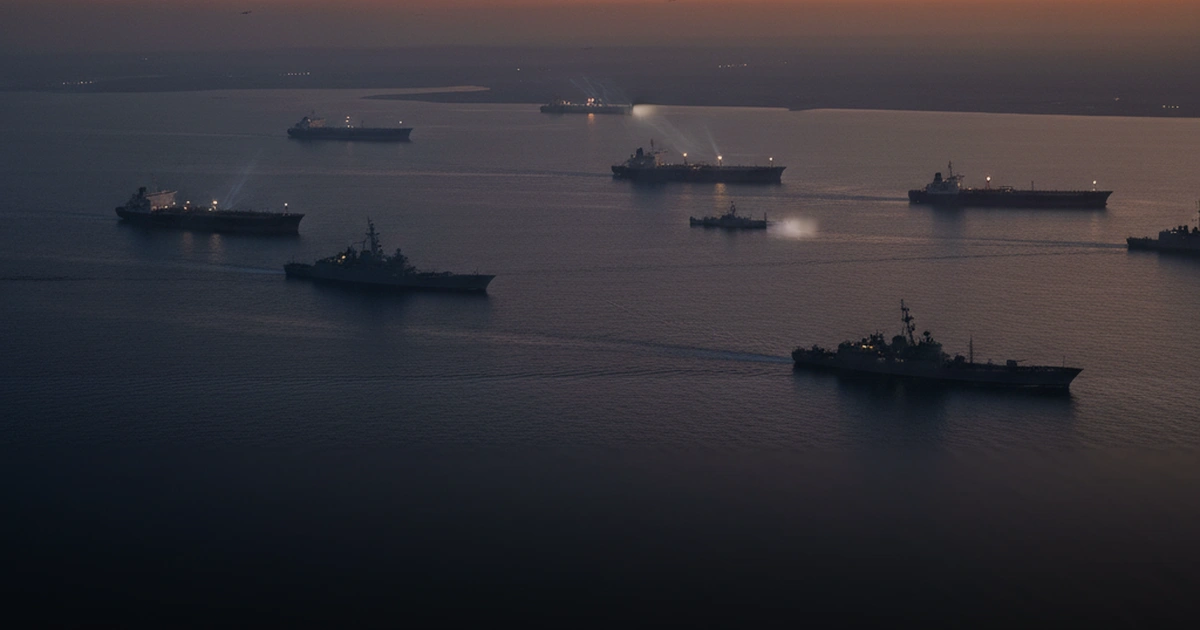
Iran’s decision to target Saudi Arabia and Kuwait represents a significant escalation beyond the Persian Gulf theater. Both countries host US military facilities and have remained neutral in the 12-day conflict. The drone attacks suggest Iran is pressuring regional allies to distance themselves from US operations.
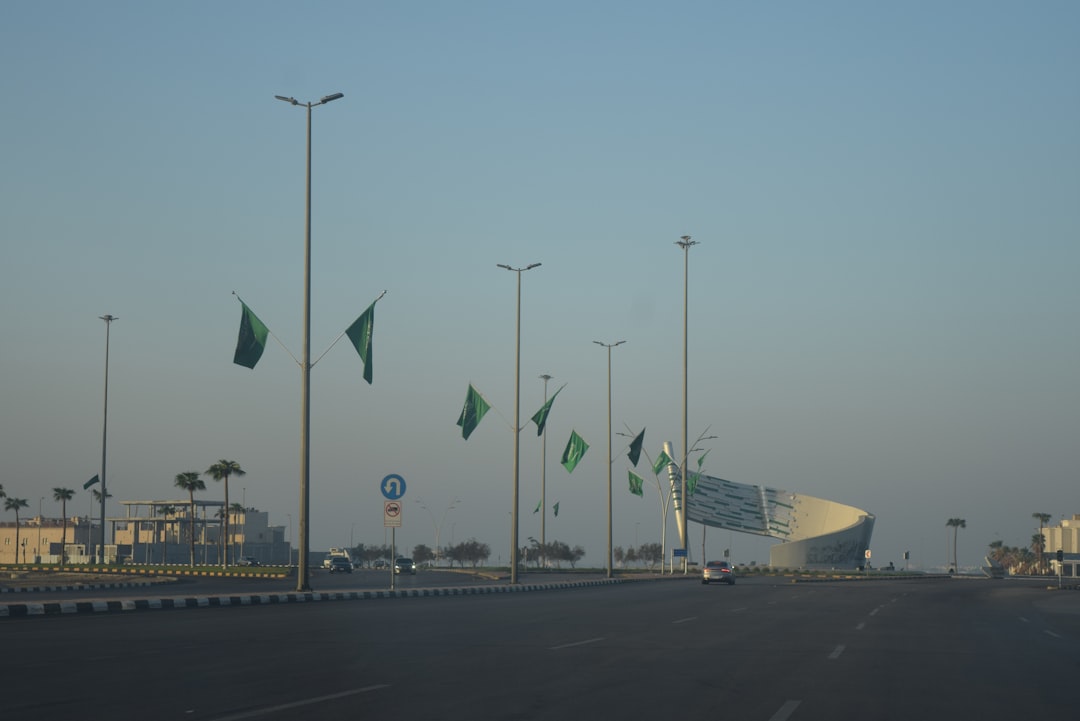
Qatar’s experience was more severe. The five ballistic missiles aimed at Doha would have caused substantial casualties if they had reached their targets. Qatar hosts Al Udeid Air Base, the largest US military facility in the Middle East and the operational headquarters for CENTCOM’s Iran strikes.
An Iranian ballistic missile was also intercepted over Gaziantep, Turkey, bringing NATO territory into the conflict zone for the first time. NATO Secretary General Mark Rutte declined to invoke Article 5, stating the interception prevented any actual attack on Turkish soil. The US ordered all non-essential staff to depart its Adana Consulate.
The geographic spread shows Iran’s strategy: pressure US allies to restrict base access and overflight rights, forcing longer flight paths and higher operational costs for American aircraft.
The Mine War Reality
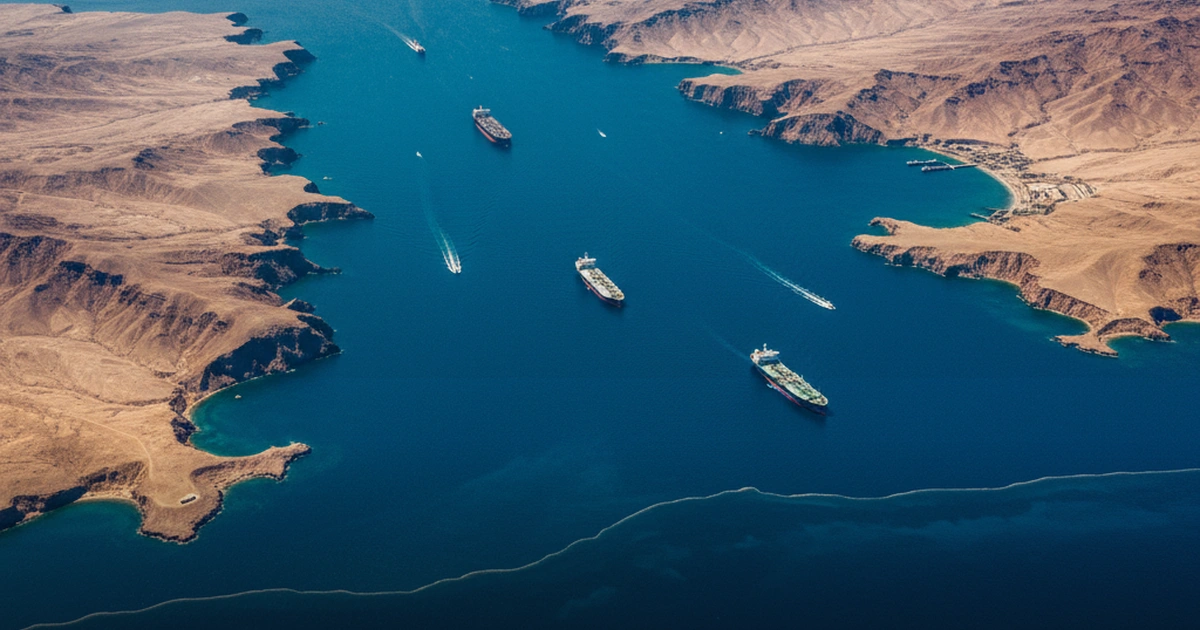
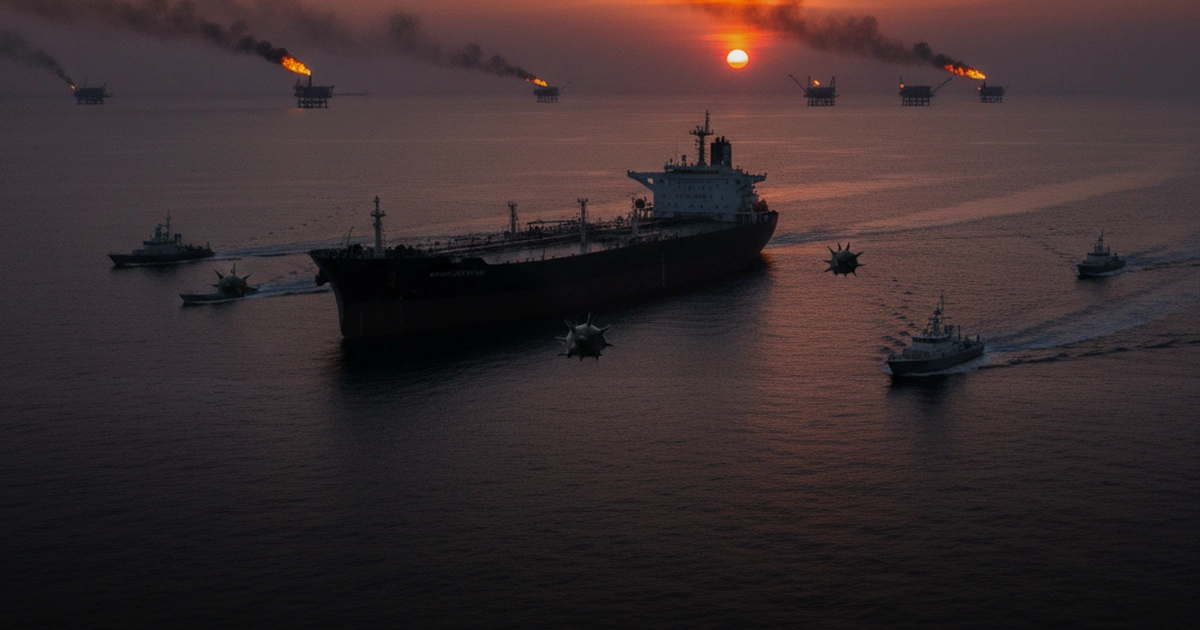
Trump’s “nothing left to target” claim sits uneasily against Pentagon data showing Iran retains substantial asymmetric capabilities. US officials confirmed Iran is preparing to deploy naval mines in the Strait of Hormuz, with Trump warning of “military consequences” if shipping lanes are blocked.
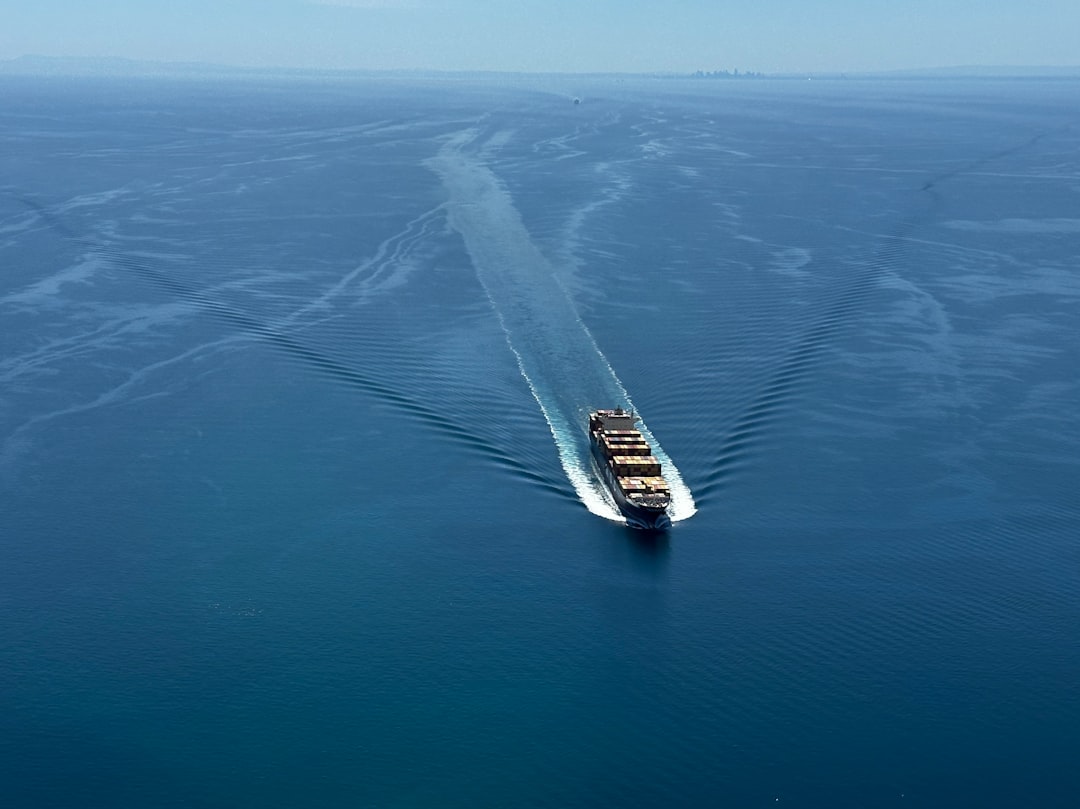
The mine threat is Iran’s strongest remaining card. While Defense Secretary Hegseth claimed Iran’s missile capacity has been degraded by 90%, Iran’s small boat and mine-laying fleet remains largely intact. The US destroyed 16 mine-laying vessels but Iran operates dozens more.
Institute for the Study of War analysis shows Iran fired its lowest missile count in any 24-hour period on March 10, but 50% of ballistic missiles now carry cluster warheads designed for area denial rather than precision strikes. That shift suggests Iran is conserving its remaining missiles for maximum psychological impact rather than military effect.
The casualty count tells a different story than Trump’s optimism. 140 US service members have been wounded in the first 10 days, a rate of 14 wounded per day. Iranian civilians have suffered far worse, with Tehran experiencing its “worst night of aerial bombardment” and reports of “black rain” falling after oil facility strikes.
The Nuclear Calculation
Iran’s nuclear facilities present the starkest contradiction to Trump’s target assessment. The IAEA reported that Natanz’s entrance buildings are damaged and inaccessible, but the underground centrifuge halls remain intact. Fordow was decimated in June 2025, but Bushehr has not been struck and Russia’s Rosatom is evacuating personnel.
The untouched underground facilities at Natanz represent Iran’s most valuable remaining strategic asset. Destroying them would require bunker-busting weapons and risk massive civilian casualties from radioactive fallout. Trump’s reluctance to authorize such strikes leaves Iran’s core nuclear program operational.
Lebanon’s President Aoun called for a “complete ceasefire” and pledged Hezbollah disarmament, suggesting regional actors see the conflict spiraling beyond anyone’s control.
The contradiction between Trump’s victory claims and Iran’s expanding attacks will resolve in the next 48 hours. Either Iran’s remaining capabilities prove insufficient to sustain operations, or Trump’s timeline proves optimistic. The mine deployment will be the test.