Day 13 Iran War Turns Diplomatic as Oil Market Chaos Spreads
- UN Security Council passed Resolution 2817 condemning Iranian attacks 13-0-2, Russia and China abstained rather than vetoing
- President Pezeshkian outlined three formal ceasefire conditions: reparations, nuclear rights recognition, security guarantees
- Iranian explosive drone boats attacked six vessels, killing one crew member and forcing Iraq to shut all oil terminals
- Oil prices crossed $100 per barrel as Strait of Hormuz disruptions spread
On March 12, 2026, three developments shifted the trajectory of the Iran war. The UN Security Council passed its first resolution condemning Iranian actions since the conflict began. Iran’s president formally outlined ceasefire terms for the first time. And Iranian forces escalated their economic warfare by attacking six more ships in a single day.
These moves suggest Iran wants a diplomatic exit while maintaining maximum economic leverage.
The Diplomatic Shift
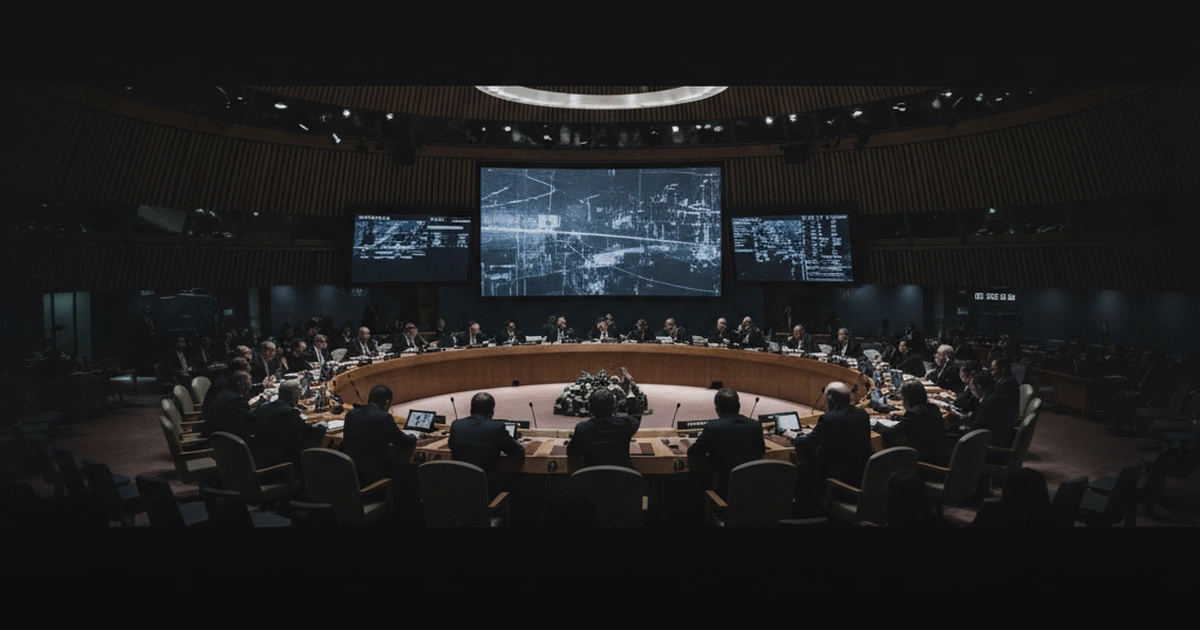
The UN Security Council adopted Resolution 2817 condemning Iran’s attacks in the Gulf with a 13-0-2 vote. Russia and China abstained rather than exercising their veto power.
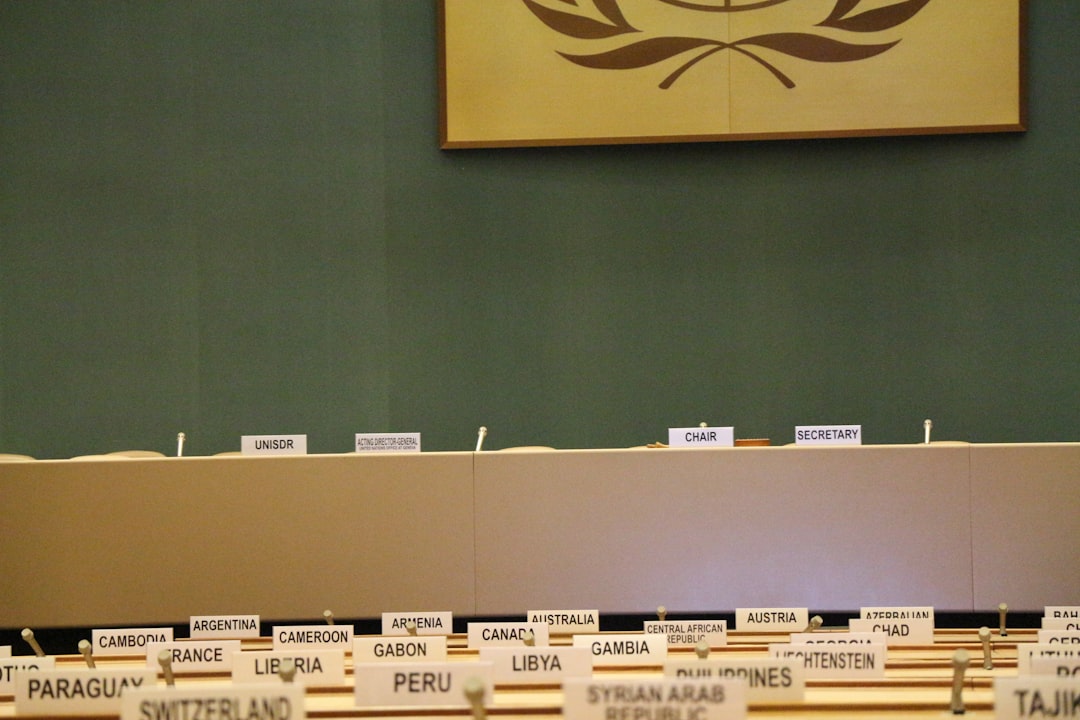
That abstention marks a significant diplomatic shift. Since the war began on February 28, Russia and China blocked every attempt at Security Council action against Iran. The resolution, led by Bahrain and backed by 135 co-sponsors, demands Iran halt attacks on Gulf states and stop blocking the Strait of Hormuz.
Russia’s abstention came after private consultations with Tehran, according to the Security Council Report. China’s abstention followed a similar pattern, suggesting coordinated diplomatic pressure on Iran from its key allies to provide a face-saving exit.
Iran’s UN Ambassador Amir Saeid Iravani called the resolution a “blatant misuse of the Security Council mandate” and said Iran would not be bound by it.
The resolution carries no enforcement mechanisms. But the 13-0-2 vote isolates Iran diplomatically in ways that pure vetoes could not accomplish.
Iran’s Ceasefire Framework
Hours after the UN vote, President Masoud Pezeshkian outlined three conditions for ending the conflict during calls with Pakistan’s Prime Minister Shehbaz Sharif and Russian President Vladimir Putin.
The three demands: 1. Reparations for infrastructure damage from US and Israeli strikes 2. Recognition of Iran’s legitimate rights, specifically regarding nuclear development 3. Binding security guarantees that the US and Israel will not launch future preemptive strikes
Iran wants written commitments backed by the UN Security Council, not verbal assurances, Business Standard reported.
None of the three conditions are likely acceptable to Washington or Jerusalem. The reparations demand would require the US to pay for rebuilding Iranian nuclear facilities it just destroyed. The nuclear rights language would effectively legitimize Iran’s enrichment program. The security guarantees would constrain future US military options in the region.
But the framework represents Iran’s first formal diplomatic opening since the war began.
The Economic Weapon
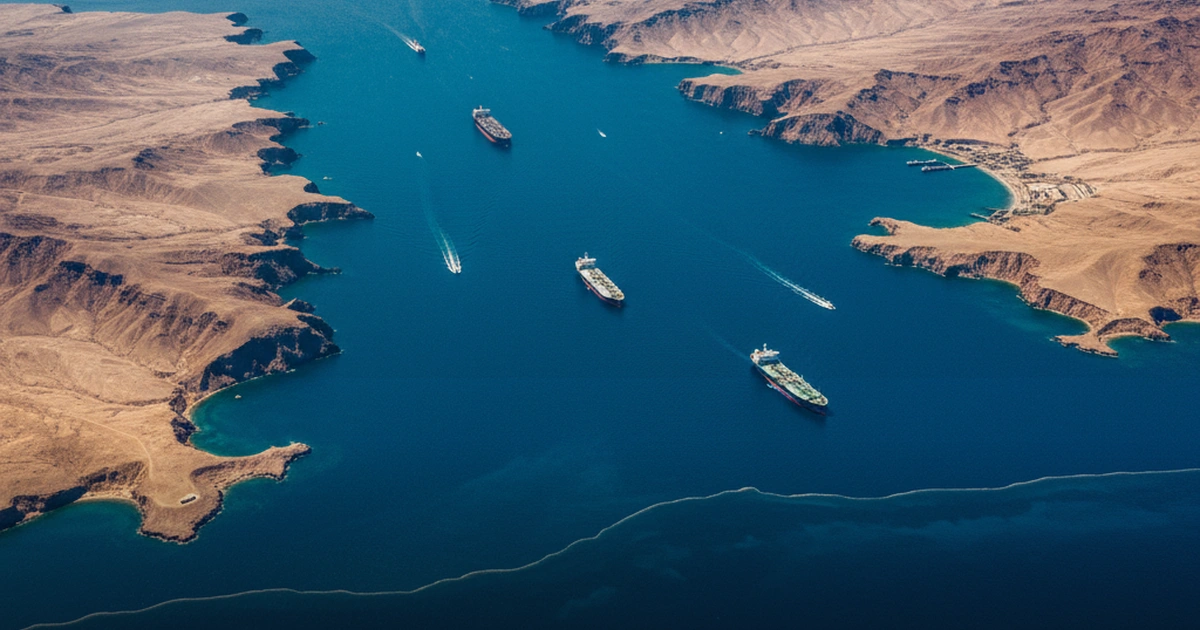
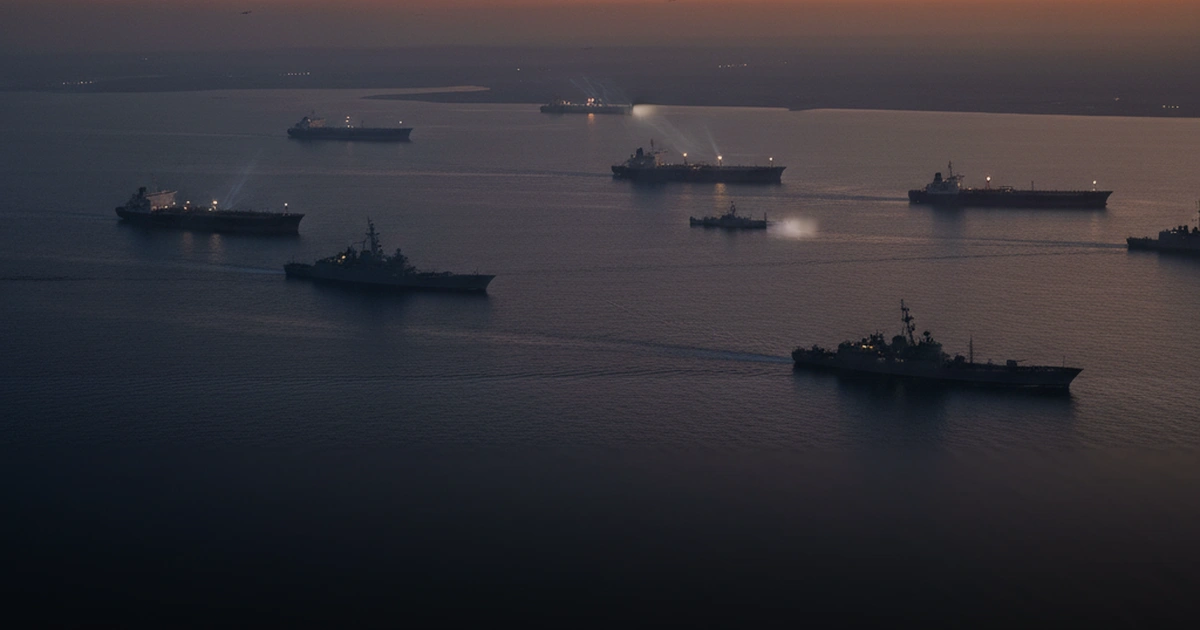
While diplomats talked, Iranian forces escalated their maritime campaign. Six vessels were attacked in Gulf waters on March 12, using explosive drone boats and sea mines.
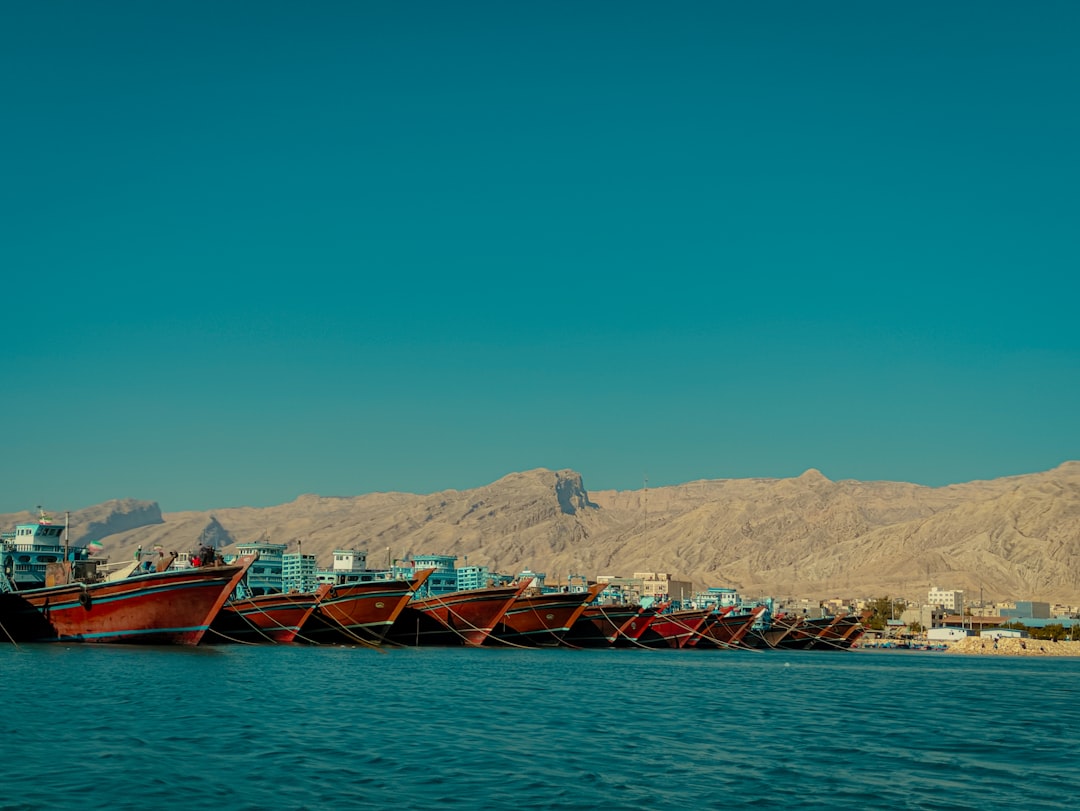
The deadliest strike hit two oil tankers in Iraqi waters. One crew member was killed and 38 were rescued, with others still missing.
Iraq immediately suspended all oil terminal operations. The attacks forced the shutdown of the Basra Oil Terminal and Al-Faw port, which handle roughly 3.3 million barrels per day of Iraqi crude exports.
Iran’s new Supreme Leader Mojtaba Khamenei issued his first public statement, saying the Strait of Hormuz “must definitely continue to be used” as a weapon. Khamenei declared the strait would “remain closed” until Iran’s conditions are met, CNN reported.
Oil prices crossed $100 per barrel for the first time since the war began. The US had effectively admitted it cannot control the Strait of Hormuz, Fortune noted. Iran warned prices could hit $200 if attacks continue.
The mathematics are stark. The Strait of Hormuz typically handles 21% of global petroleum liquids. Iraq’s terminals add another 3% of global crude supply. Combined disruption of both chokepoints removes roughly one-quarter of daily oil flows.
The Strategic Calculation
March 12 presents Iran’s calculated strategy: offer diplomatic terms while escalating economic pressure. Iran wants a negotiated exit. The ship attacks ensure it gets one by weaponizing global energy markets until Washington accepts its conditions.
Iran’s infrastructure has already been devastated after two weeks of strikes. Yet Iran maintained operational capacity to attack shipping. President Trump declared Iran “at the end of the line” and warned the US could “devastate key infrastructure.” But Iran has absorbed maximum punishment and still controls the energy chokepoint.
The UN vote creates diplomatic space for negotiations. Resolution 2817 demands Iran stop exactly what it escalated on March 12: attacks on Gulf shipping and closure of the Strait of Hormuz.
Iran forces a choice: accept our ceasefire terms or watch oil markets spiral beyond $100 per barrel.
Every day the Strait remains closed costs the global economy billions in trade flows. Iraq’s oil terminals alone represent $350 million in daily export revenue.
Iran named its price. The world is about to find out if anyone is willing to pay it.