Day 13: Iran Controls Oil Routes as KC-135 Crash Kills Six
- KC-135 refueling aircraft crashed in western Iraq on March 12, killing all six crew members
- Iran attacked six ships in Persian Gulf, forcing Iraq to shut all oil ports
- Oil prices hit $100 for first time since Operation Epic Fury began
On March 12, 2026, Day 13 of Operation Epic Fury, the United States lost its fourth aircraft and suffered its deadliest single day since the war began.
A KC-135 refueling aircraft crashed in western Iraq, killing all six crew members aboard. The same day, Iran launched coordinated attacks on six ships in the Persian Gulf, forcing Iraq to suspend all oil port operations and driving crude prices above $100 per barrel for the first time since the conflict began, according to CNN.
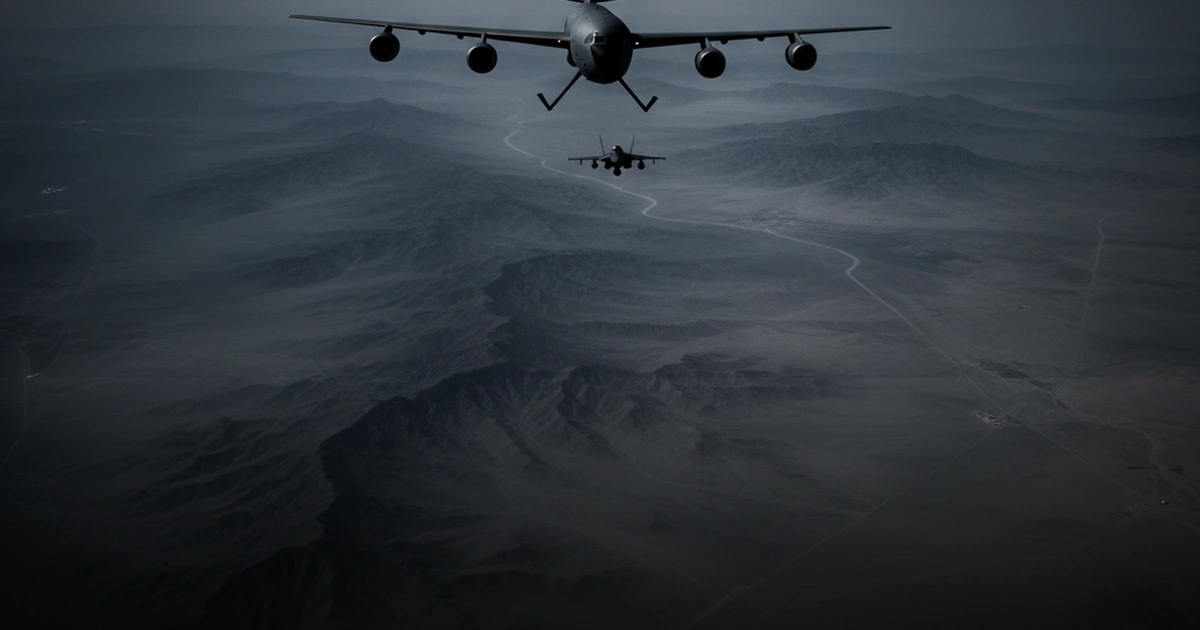
The KC-135R went down near the Iraqi-Jordanian border while supporting combat operations, military officials confirmed. The Islamic Resistance of Iraq claimed responsibility for shooting down the aircraft and said it targeted a second KC-135, which declared an in-flight emergency and landed at Ben Gurion Airport in Israel, The War Zone reported.
Trump declared Iran has “no navy, no air force, no air defenses” and the US is “riding free range,” CENTCOM said. But Iran demonstrated control over the world’s most critical oil chokepoint while US aircraft fell from the sky.
The KC-135 Goes Down
The aircraft was serial number 63-8017, a KC-135R assigned to the 314th Air Refueling Squadron from Beale Air Force Base, California, The War Zone reported. The crash occurred near Turaibil along the Iraqi-Jordanian border during what military officials called “a combat mission over friendly airspace.”
KC-135 tankers are the backbone of long-range air operations. They extend combat aircraft range by refueling fighters and bombers mid-flight. The average KC-135 is 66 years old, Air and Space Forces reported.
All six crew members died in the crash, CNN confirmed. Their names have not been released pending family notification. The loss brings confirmed US deaths to 13 since Operation Epic Fury began on February 28.
Military officials said the crash was not caused by hostile fire or friendly fire. The Islamic Resistance of Iraq, an umbrella group for Iranian-backed militias, claimed it shot down both KC-135s with surface-to-air missiles. The second aircraft made an emergency landing in Israel with what sources described as “battle damage,” Air and Space Forces reported.
The attribution dispute matters. If Iran-backed forces can hit US refueling aircraft over Iraq, it changes the operational calculus for the entire air campaign.
The Gulf Under Fire
While the KC-135 burned in the Iraqi desert, Iran launched its most coordinated naval attack since the war began.
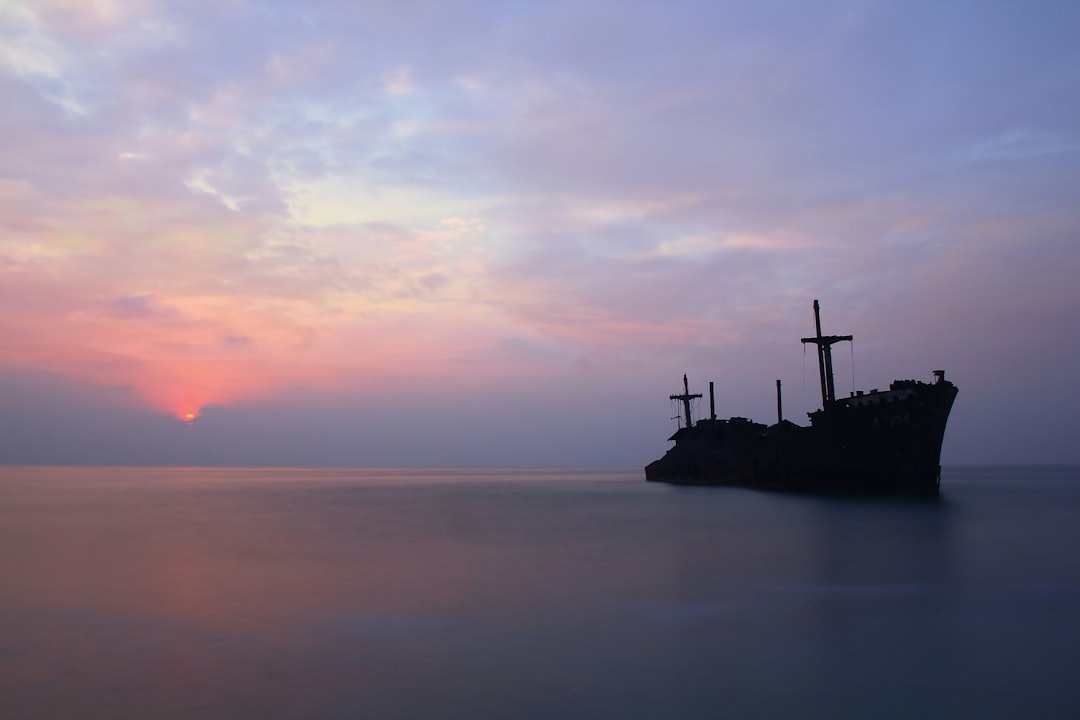
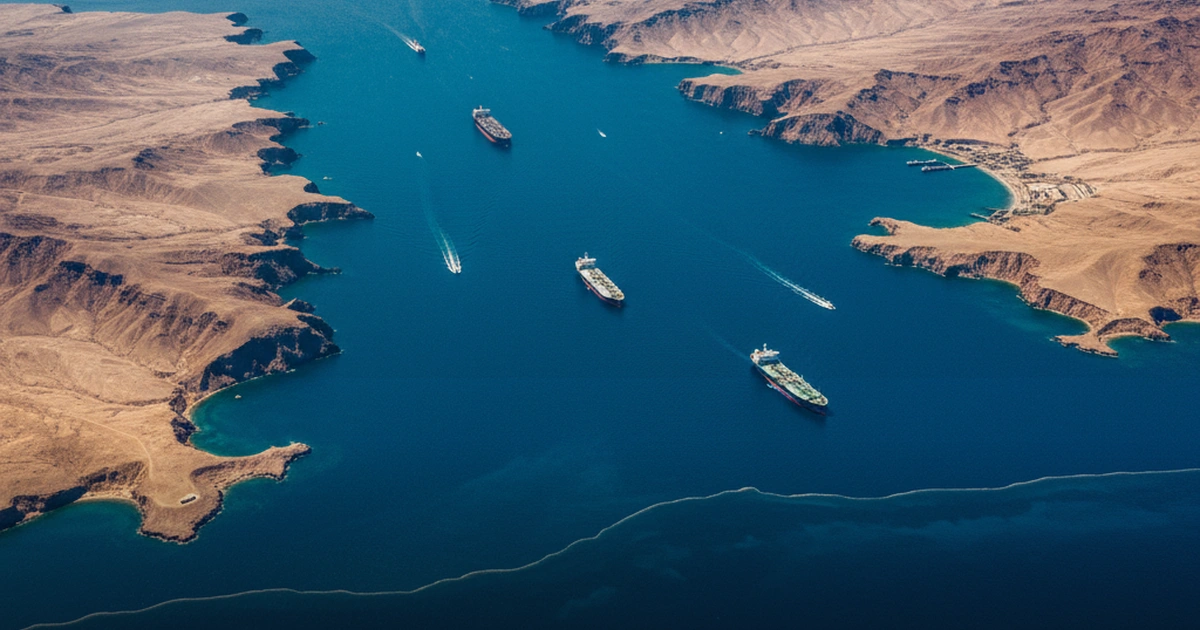
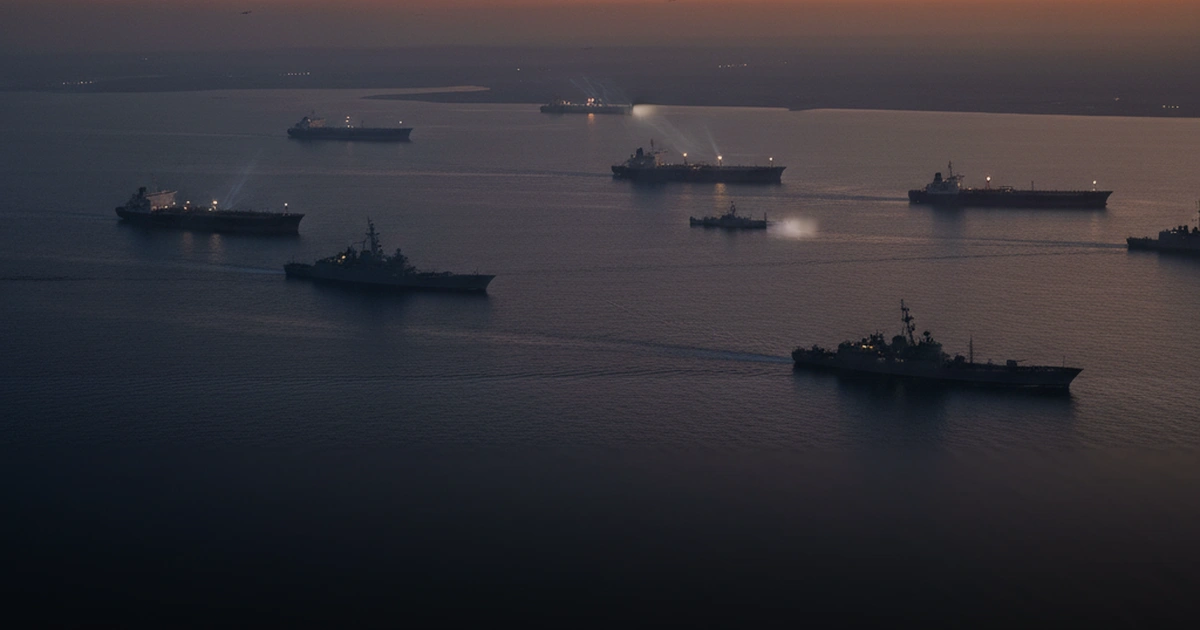
Six vessels were attacked in the Persian Gulf using drone boats and sea mines, Al Jazeera reported. One person was killed and 38 rescued from two oil tankers, with others still missing, Gulf News reported.
Iraq suspended operations at all three of its oil export terminals after the attacks. The strikes targeted tankers loading at Basra, Iraq’s primary oil export hub. Iraq exports roughly 3.3 million barrels per day. Zero barrels moved on March 12.
Oil prices soared above $100 for the first time since the conflict began. Brent crude hit $103.40 before settling at $101.75, up 8.2% from the previous day, CNN reported.
Iran’s new Supreme Leader Mojtaba Khamenei issued his first public statement since assuming power, declaring the Strait of Hormuz will remain closed until US forces leave the region, Iran International reported. The written message, distributed through state media, said Iran will “defend its territorial waters against all aggressors.”
The Strait of Hormuz is the world’s most important oil chokepoint. Roughly 21% of global petroleum liquids transit the 21-mile-wide passage. Iran has controlled it for 13 days.
Iran’s Escalation Ladder
The March 12 attacks followed a clear pattern. Iran has escalated methodically every 48-72 hours since the war began, testing US responses and expanding the geographic scope of the conflict, according to Al Jazeera analysis.
The strategy traces to a 2025 planning document that called for “strategic patience and coordinated resistance.” The blueprint anticipated a US-Israeli first strike and outlined a response designed to trap both countries in a prolonged conflict.
Hezbollah launched 200 rockets at northern Israel on March 12, coordinating with the Gulf attacks, Jerusalem Post reported. The timing was precise. As US aircraft fell in Iraq and tankers burned in the Gulf, Israel’s Iron Dome intercepted salvos from Lebanon.
Iran’s President laid out three demands for ending the conflict in calls with Pakistan and Russia: reparations for damages, recognition of Iran’s regional security role, and guarantees against future strikes, Business Standard reported.
The UN Security Council passed a resolution condemning Iran’s Gulf attacks by a 13-0 vote with Russia and China abstaining. Both countries avoided vetoing to maintain diplomatic flexibility while avoiding endorsement of US military action, Security Council Report noted.
The abstentions signal Iran has tacit great power cover for its Gulf operations, even as it faces international condemnation.
What Victory Looks Like
Trump’s declaration that the US is “riding free range” came hours before the KC-135 crashed and tankers burned. Defense Secretary Pete Hegseth called the fallen crew “American heroes” and said “war is hell, war is chaos,” CNN reported.
The contradictions are stark. The US has destroyed much of Iran’s conventional military capability. Iran has closed the world’s most critical oil chokepoint and is killing US service members daily.
Thirteen days into Operation Epic Fury, the US faces a strategic puzzle. Military dominance has not translated to political victory. Iran’s escalation ladder appears designed to impose costs that exceed the benefits of continued strikes. Oil prices above $100. American deaths rising. A refueling aircraft down in friendly airspace.
That is what winning looks like on Day 13.