Trump’s 48-Hour Ultimatum Triggers Iran’s Strait Threat
- Trump gave Iran 48 hours to reopen the Strait of Hormuz or face strikes on power plants and water infrastructure
- Iran threatened to “completely” close the strait and target Gulf energy facilities if attacked
- Iranian missiles injured 180 people near Israel’s nuclear research center at Dimona
President Trump issued a 48-hour ultimatum to Iran on March 22, threatening to “obliterate” the country’s power plants unless the Strait of Hormuz reopens to commercial shipping. Iran responded by threatening to completely close the strait and strike energy infrastructure across the Gulf.
The escalation came as Iranian missiles struck the Israeli towns of Arad and Dimona, injuring 180 people near the country’s main nuclear research facility. The strikes marked the closest Iran has come to hitting Israel’s nuclear program during the 23-day conflict.
The 48-Hour Clock
Trump’s ultimatum specifically targets Iran’s electrical grid and water treatment facilities. “Open the Strait in 48 hours or we obliterate your power plants,” Trump said during a White House briefing. The deadline expires at 6 PM Eastern on March 24.
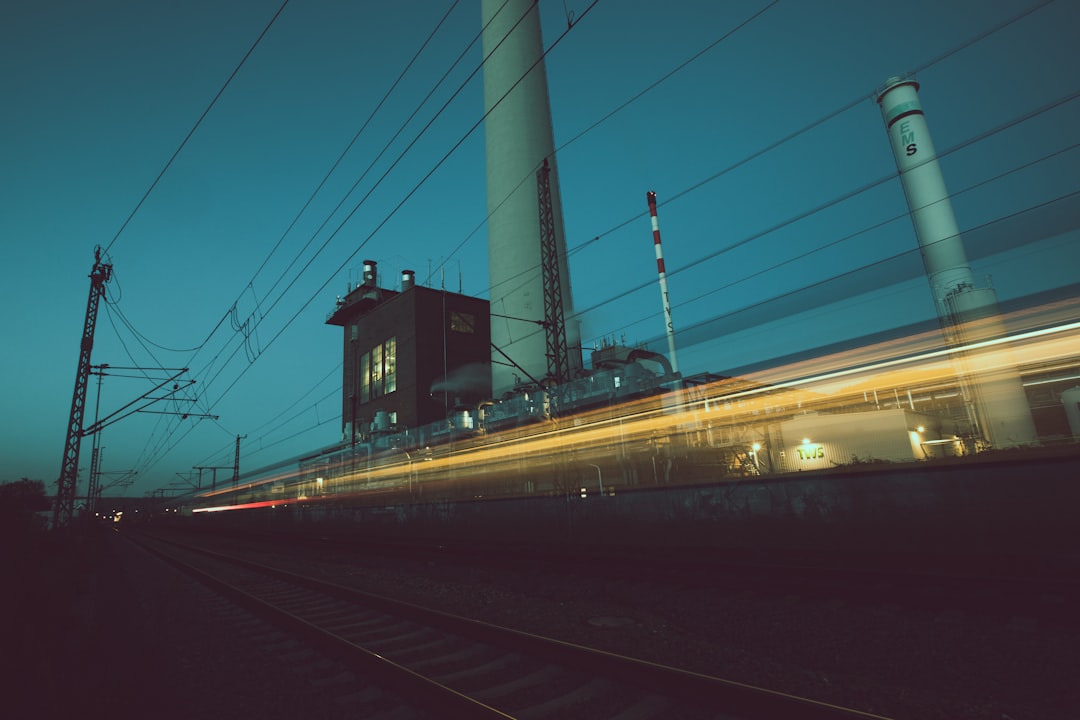
The threat represents a significant escalation beyond military targets. Power plants supply electricity to hospitals, water treatment centers, and civilian infrastructure across Iran’s major cities. Intelligence estimates suggest strikes on Iran’s grid could leave 15 million people without electricity for weeks.
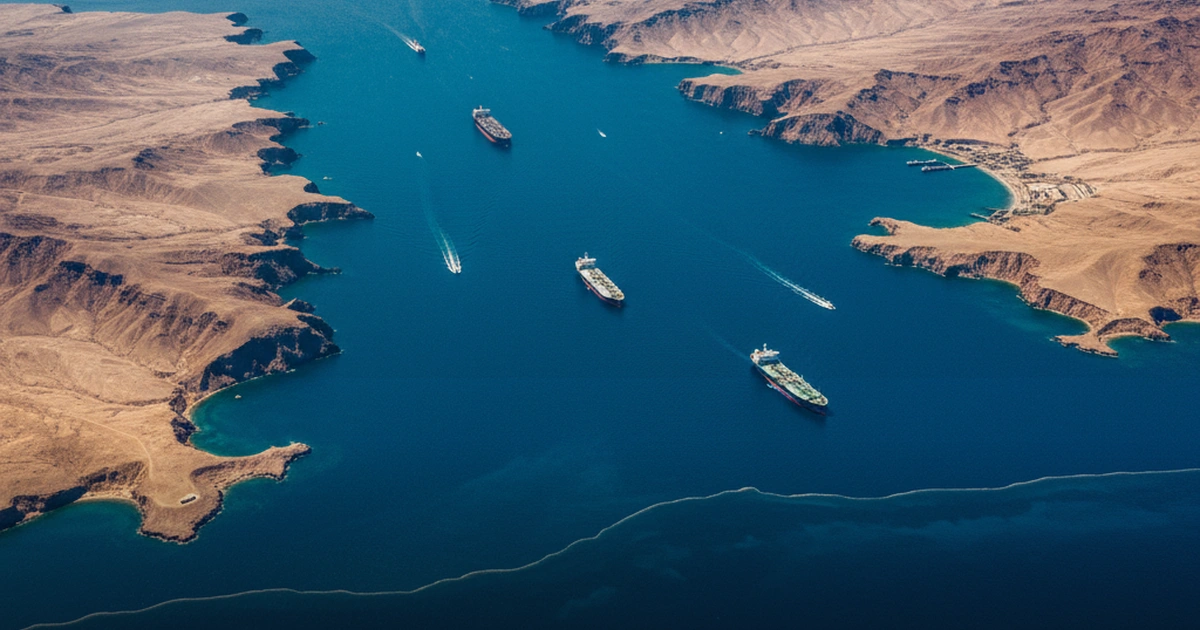
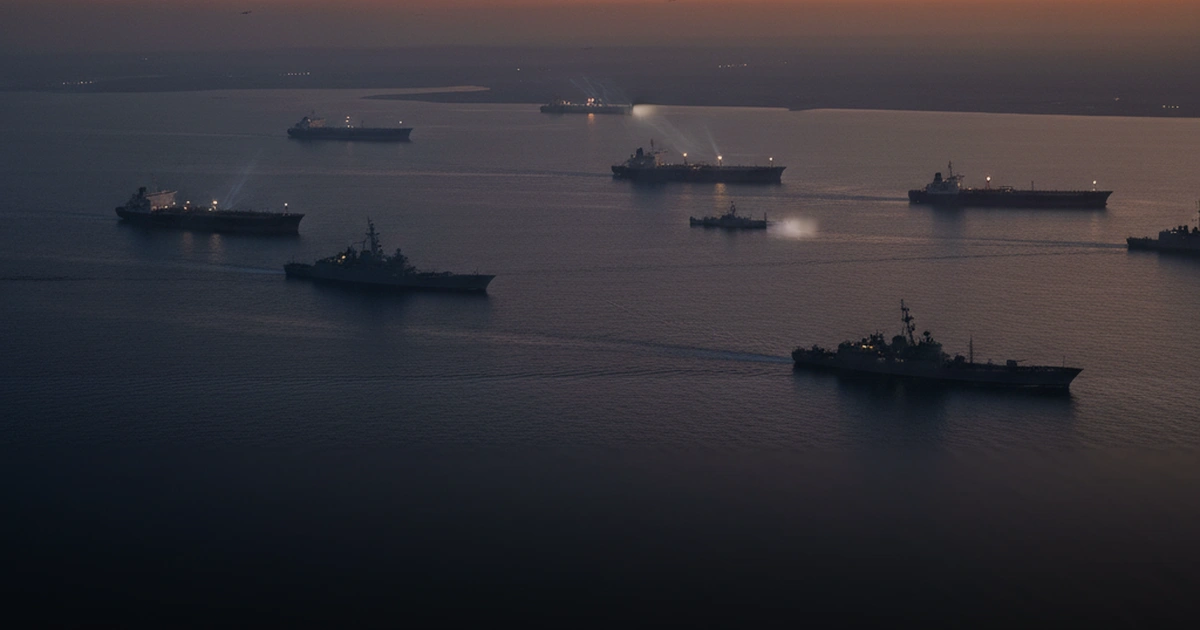
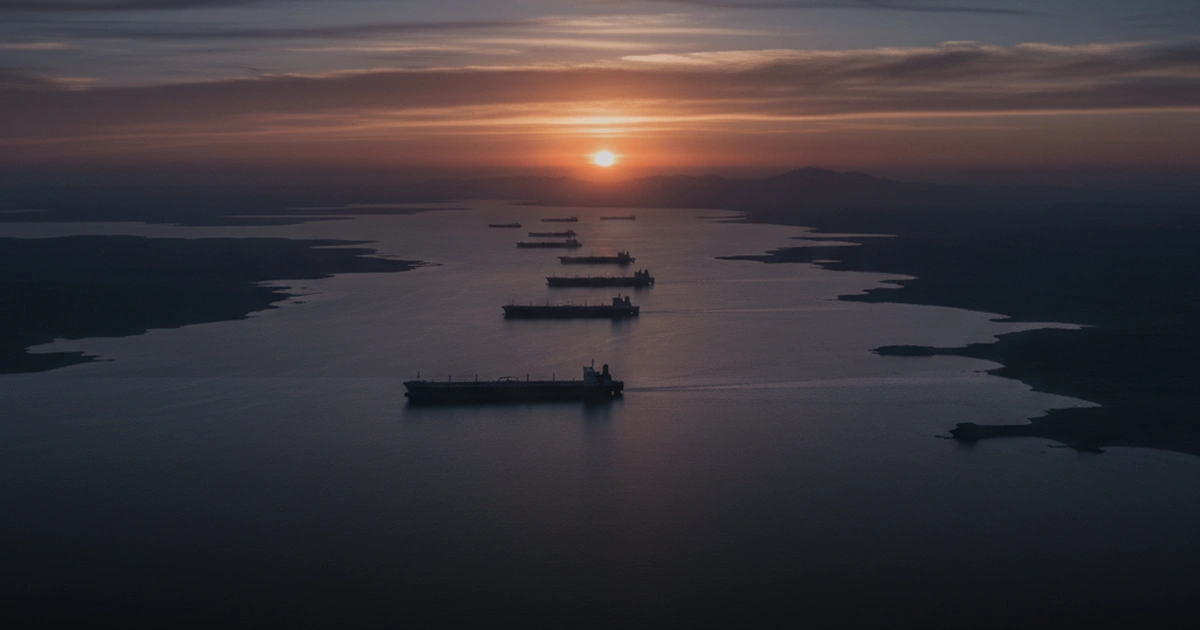
Iran has maintained partial control of the Strait since March 1, allowing passage to ships from China, Russia, and “non-enemy” nations while blocking vessels linked to the US, Israel, and their allies. Roughly 20% of global oil passes through the 21-mile-wide chokepoint.
Iran’s Counter-Threat
Iran’s Revolutionary Guard warned it would completely seal the strait if Trump follows through on power plant strikes. “Any attack on our infrastructure means total closure of Hormuz and strikes on all energy facilities from Kuwait to the UAE,” IRGC commander Hossein Salami said.
The Iranian threat extends beyond the strait itself. Tehran warned it would target electrical plants powering US bases across the region, including facilities in Qatar, Bahrain, and Kuwait that supply American forces.
Iran also threatened global technology centers, suggesting cyber attacks on infrastructure far beyond the Gulf. The IRGC specifically mentioned “critical nodes” in Europe and Asia that support US military operations.
The Economic Pressure Point
Oil prices jumped 12% following Trump’s ultimatum, reaching $127 per barrel. But the real impact hits consumers differently than markets suggest. Gasoline prices have risen 67% since the conflict began, while oil futures reflect only a 45% increase.
The gap stems from refinery disruptions and shipping insurance costs that don’t show up in crude prices. Tanker insurance through the Gulf now costs $3.6 million per transit, up from $60,000 before the war.
Over 1 million Lebanese have been displaced as Israel expands operations against Hezbollah. The humanitarian crisis adds pressure on both sides to avoid further escalation that could draw in regional powers.
The 48-hour deadline forces both sides into a corner with limited exit ramps. Neither Trump nor Iran can easily back down without appearing weak to domestic audiences.