Trump Reverses Course: US and Iran Agree to Two-Week Ceasefire
- President Trump agreed to a two-week ceasefire with Iran on April 7, backing down from threats to destroy Iranian civilization
- Pakistan brokered the deal hours before Trump’s 8 PM deadline to destroy Iran’s power grid
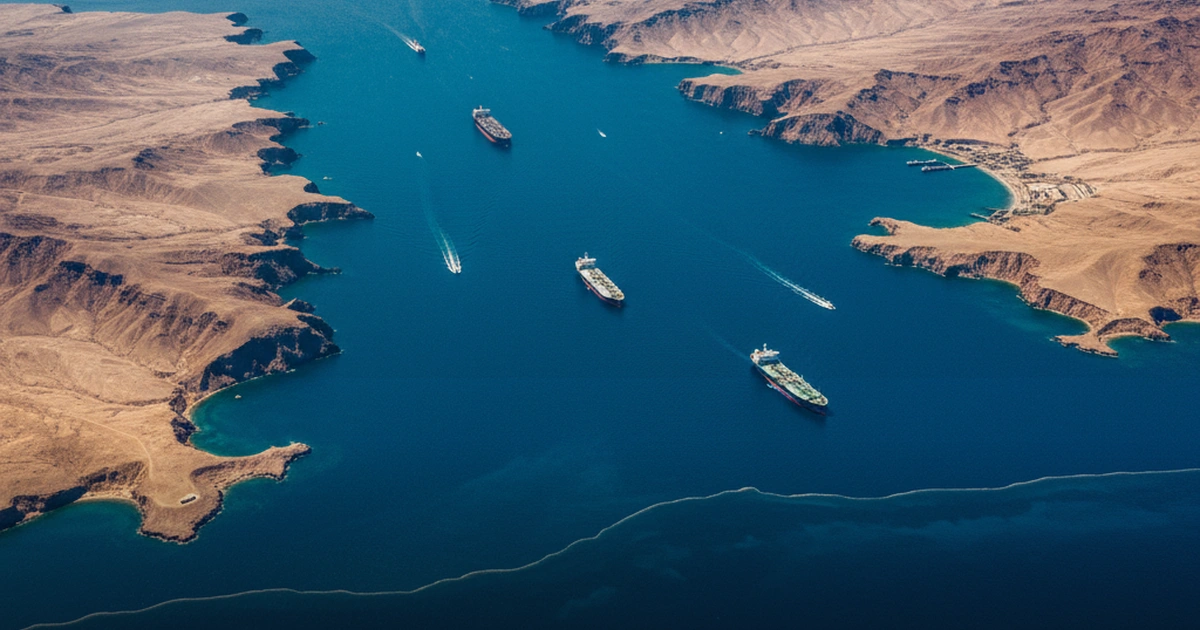
- Iran’s Supreme National Security Council accepted the ceasefire terms, which include reopening the Strait of Hormuz
President Trump backed down from his threat to wipe out Iranian civilization on April 7, announcing a two-week ceasefire just hours before his 8 PM deadline. The agreement, brokered by Pakistan, marked a dramatic reversal from Trump’s earlier warning that “a whole civilization will die tonight” if Iran failed to meet his demands.
The Escalation Reversal
The ceasefire announcement came after weeks of escalating threats. Trump had set a Tuesday 8 PM ET deadline for Iran to reopen the Strait of Hormuz or face the destruction of its power grid and infrastructure. Earlier that day, he warned that Iranian civilization “probably will die tonight” if no deal was reached.
What changed Trump’s calculus?
Multiple pressure points converged within hours. Congressional Democrats raised alarm over his apocalyptic threats, with dozens calling for his removal under the 25th Amendment. Even MAGA influencers pushed back on Trump’s Iran posture, declaring “it’s time to say no.”
Pakistan proposed the ceasefire framework earlier on April 7. Iran’s Supreme National Security Council accepted the two-week pause, creating the opening Trump needed to step back from the brink.
The announcement triggered immediate market relief. Oil prices plunged below $100 per barrel as Iran agreed to safe passage through the Strait of Hormuz during the ceasefire period.
Why the Sudden Shift
The reversal exposed the limits of Trump’s maximalist approach. After 40 days of war, neither overwhelming firepower nor apocalyptic threats had forced Iranian capitulation. Instead, they had isolated the US diplomatically and created domestic political costs.

How isolated had America become? Russia and China vetoed a watered-down UN resolution aimed at reopening the Strait of Hormuz just hours before Trump’s deadline. France opposed US-Israeli attacks on Iranian infrastructure. Even Saudi Arabia shut the Bahrain causeway, citing Iranian fire.
The domestic pressure was equally intense. Pope Leo XIV called Trump’s Iran threat “truly unacceptable.” Legal experts warned that Trump’s threats looked like self-incrimination for potential war crimes.
Iran had also demonstrated resilience beyond US expectations. Iranians formed human chains at bridges and power plants to protect infrastructure. Despite weeks of strikes, Iran maintained its Strait of Hormuz closure and continued launching missiles at Israeli cities.
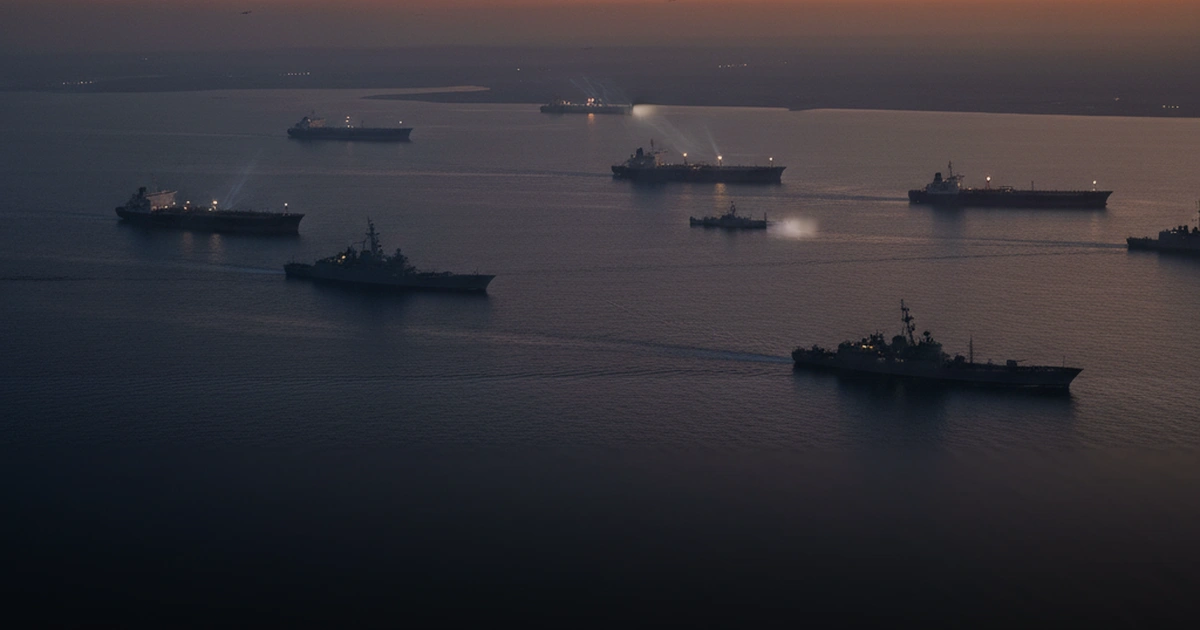
The math was working against Trump. Before the war, 90 ships per day transited the Strait. Under Iran’s blockade, fewer than 100 total had passed since early March. Gas prices threatened to breach $5 per gallon if the closure continued.
What Comes Next
The ceasefire creates a narrow window for diplomacy, but fundamental issues remain unresolved. Iran has reportedly presented a 10-point plan for ending the war, which Trump called “a workable basis” for negotiations.
Key questions loom over enforcement. Will the Strait of Hormuz fully reopen during the two-week period? Israel backs the pause but says Lebanon operations are excluded. Iran is already portraying the ceasefire as “victory against the United States and Israel.”
The fragile truce gives both sides breathing room, but it also reveals the costs of Trump’s all-or-nothing approach. After threatening to annihilate a civilization, he settled for a temporary pause that Iran can claim as vindication of its resistance strategy.
A ceasefire where neither side achieved its core objectives isn’t victory. It’s an admission that the alternative was worse.