Iran Toll System Found at Hormuz: Wall Street Investigation
- Citrini Research field analyst observed 20-30 ships daily transiting the Strait of Hormuz, roughly double official AIS tracking data.
- Iran operates a de facto toll system requiring vessels to pay fees and share cargo information to pass between Qeshm and Larak islands.
- James van Geelen founded Citrini Research in 2023 after shorting Silicon Valley Bank before its collapse.
Official shipping data said the Strait of Hormuz was nearly dead. A Wall Street analyst who didn’t trust the numbers sent someone to go look.
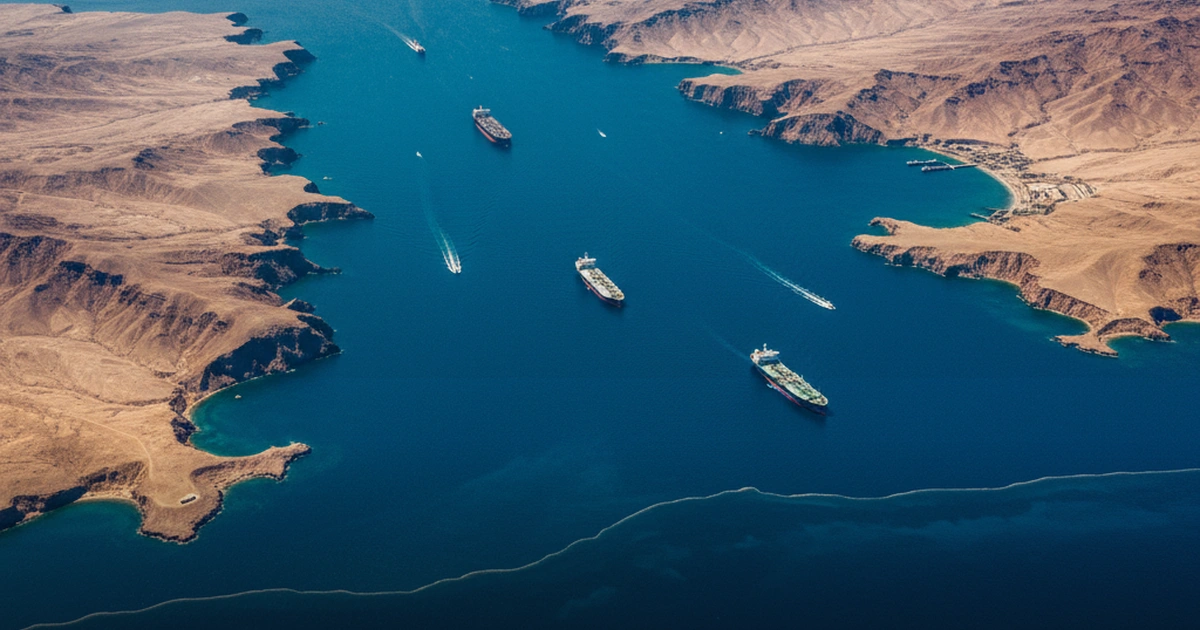
The analyst packed binoculars, positioned himself on the northern UAE coast, and spent days counting ships. What he found contradicted every major shipping tracker and maritime intelligence service monitoring the world’s most critical oil chokepoint.
AIS transponder data showed flatlined traffic through the Strait of Hormuz. The field observer documented 20-30 vessels daily navigating Iran’s new maritime regime. The discrepancy exposed a shadow shipping system operating beneath the radar of conventional tracking.
The Paramedic Turned Market Mover
James van Geelen founded Citrini Research in 2023 after working as an EMT and paramedic. He generated portfolio returns exceeding 200% by betting against conventional wisdom. His breakthrough trade involved shorting Silicon Valley Bank weeks before its March 2023 collapse.

His method: when official data conflicts with observable reality, send someone to look. The approach attracted attention and controversy after he published “The 2028 Global Intelligence Crisis,” arguing that AI systems would break traditional intelligence collection by 2028. Citadel Securities published a detailed rebuttal, calling the analysis “macro fundamentalism.”
The Field Trip That Changed Everything
On March 15, 2026, van Geelen dispatched “Analyst #3” to the northern UAE coast with instructions to observe and document ship traffic through the Strait of Hormuz. The analyst established observation points overlooking the critical shipping lanes.
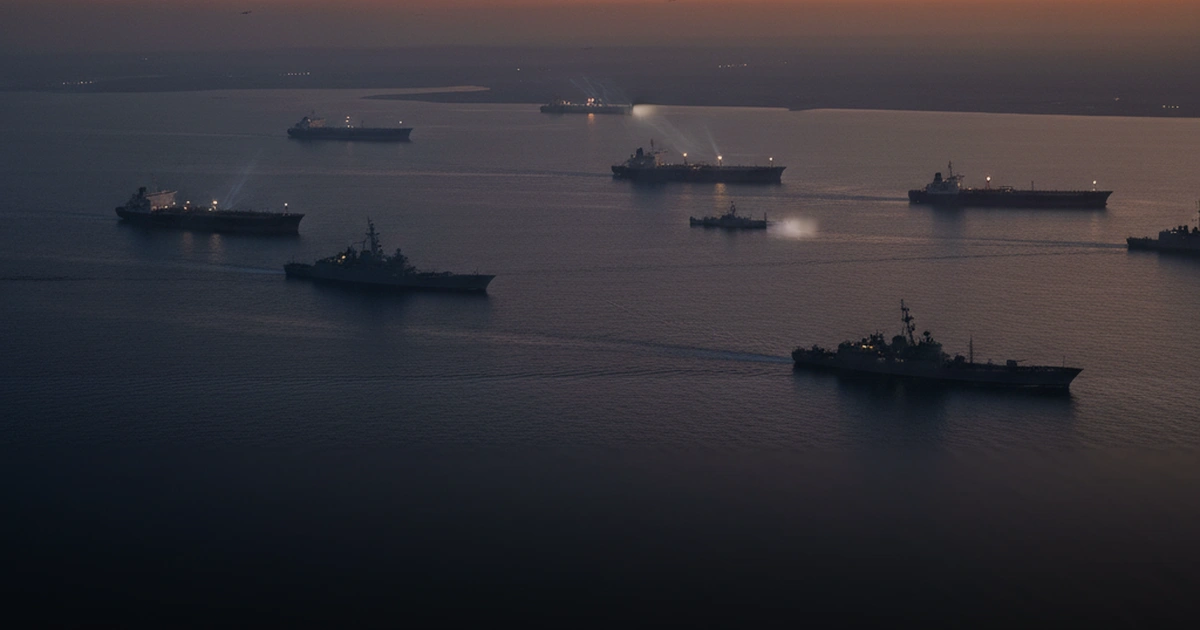
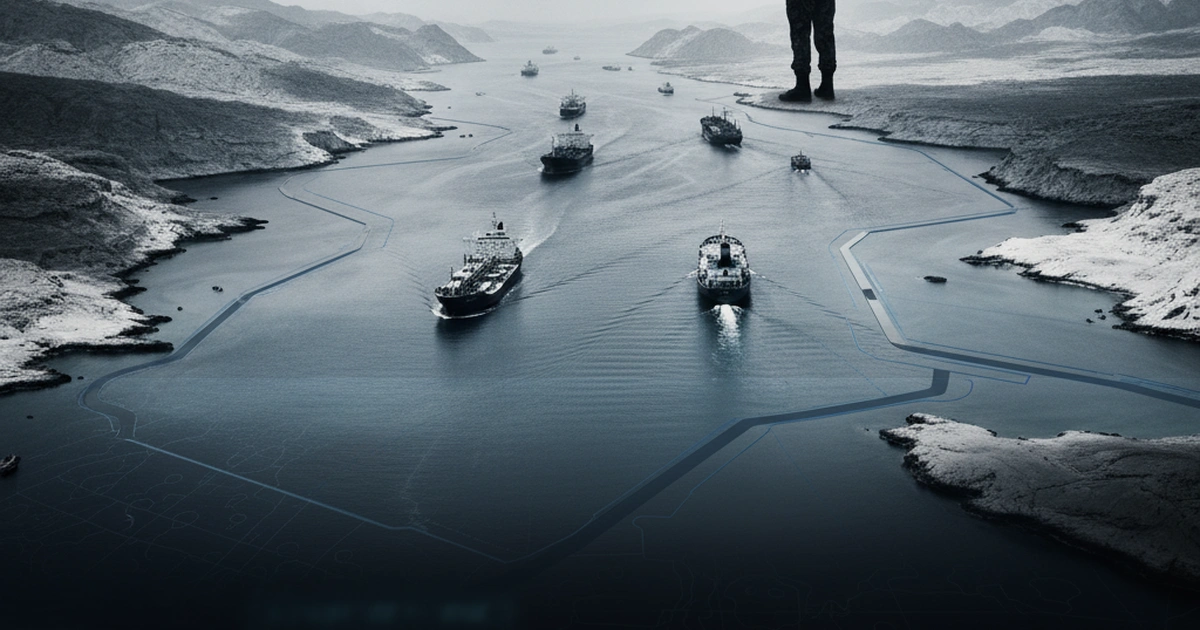
He documented consistent daily traffic of 20-30 vessels, including oil tankers, container ships, and bulk carriers. He observed Iran’s systematic processing of merchant vessels through a de facto toll system operating between Qeshm and Larak islands.
Ships approached Iranian positions, stopped for varying periods, then continued through the Strait. The analyst reported Iranian patrol boats conducting inspections, document exchanges, and fee collection. Vessels that complied received passage. Those that didn’t faced delays or rejection.
The Data Gap That Markets Missed
The discrepancy between field observations and official tracking data exposed a critical blind spot in maritime intelligence. AIS transponder systems, which form the backbone of commercial shipping tracking, showed minimal traffic through Hormuz after Iran’s March 8 navigation restrictions.
AIS data has a fundamental vulnerability: transponders can be turned off.
Van Geelen’s analysis suggested roughly half of vessels transiting the Strait operated with disabled AIS systems, creating what maritime analysts call a “shadow fleet.” These ships, often older tankers with complex ownership structures, accepted Iran’s toll system in exchange for continued access to Persian Gulf oil markets.
The field analyst’s count of 20-30 daily transits, if accurate, suggested Iran processed roughly million barrels of oil per day through its new regime. Pre-war Hormuz traffic averaged 15-17 million barrels daily. represents roughly of normal capacity.
The shadow fleet comprised vessels willing to navigate Iran’s navigation restrictions in exchange for access to oil supplies. Many operated with deliberately opaque ownership structures that complicated sanctions enforcement.
Iran’s toll system collected fees from vessels seeking passage while gathering intelligence on cargo manifests, destinations, and shipping schedules. This dual-purpose approach generated revenue while providing strategic information about global energy flows.
Iranian Response and International Reactions
Iran has not officially acknowledged operating a toll system at Hormuz. Iranian Foreign Ministry spokesman Nasser Kanani stated on April 2, 2026, that Iran “ensures safe navigation in the Strait of Hormuz under international law” and that all vessels comply with “standard maritime security procedures.”
The European Maritime Safety Agency published conflicting assessments of Hormuz traffic patterns in March 2026. EMSA’s official report cited “reduced but continuing commercial traffic” through the strait while noting “gaps in AIS coverage affecting comprehensive monitoring.”
U.S. Navy Fifth Fleet declined to comment on specific intelligence regarding Iranian maritime operations, stating only that “freedom of navigation operations continue in international waters” in response to queries about van Geelen’s findings.
Maritime insurance companies raised premiums for Hormuz transits by 300-500% following Iran’s navigation restrictions. Lloyd’s of London classified the strait as a “heightened risk zone” requiring additional coverage for vessels choosing to transit Iranian-controlled waters.
Verification Challenges
The identity of “Analyst #3” remains undisclosed. The specific location of observation points wasn’t revealed for operational security reasons. No independent verification of the field findings has been published by maritime authorities or intelligence services.
The toll system claim, while consistent with USNI News reporting on IRGC maritime operations, lacks specific details that would allow verification. Fee structures, approval criteria, and rejection protocols remain .
Traditional intelligence sources have been notably quiet about the mechanics of Iran’s navigation regime. That silence could reflect operational security concerns, or it could indicate that van Geelen’s analyst observed something that major intelligence services missed.
CNBC’s coverage noted that traditional shipping analytics firms had largely relied on AIS data without deploying human observers to verify their findings.
Economic Impact Assessment
The shadow fleet operations created a two-tier market for Persian Gulf oil access. Vessels willing to pay Iran’s tolls and share cargo information maintained access to suppliers, while those refusing faced indefinite delays or denial of passage.
Oil markets initially priced in complete Hormuz closure scenarios. Van Geelen’s findings suggested partial throughput continued, explaining why prices stabilized at $95-105 per barrel rather than reaching $150-200 levels that some analysts predicted for complete closure scenarios.
The intelligence value of cargo manifests, shipping schedules, and destination data collected through the toll system potentially provided Iran with comprehensive visibility into global energy supply chains. This information could inform future strategic decisions about energy leverage.
Shipping companies faced a complex calculus: accept Iranian toll system terms and maintain supply chain access, or refuse and seek alternative routes through the Cape of Good Hope, adding 2-3 weeks transit time and significant fuel costs.
Strategic Implications
Iran’s navigation regime represented a novel approach to chokepoint control. Rather than complete closure triggering military response, the toll system maintained plausible deniability while extracting maximum economic and intelligence value from continued traffic.
The system created precedent for other nations controlling critical maritime passages. China’s actions in the South China Sea, Turkey’s control of the Bosphorus, and Egypt’s management of the Suez Canal all involved elements of fee collection and traffic regulation.
The shadow fleet phenomenon highlighted vulnerabilities in global supply chain monitoring. If half of Hormuz traffic could operate below the radar of conventional tracking systems, similar blind spots likely existed in other critical transportation corridors.
Van Geelen’s investigation methodology, while producing actionable intelligence, raised questions about the privatization of strategic intelligence collection. Wall Street firms deploying field analysts to gather geopolitical intelligence suggested gaps in official monitoring capabilities.
The field analyst returned from the UAE coast with observations that contradicted official data. Markets moved on the findings. Iran continued processing vessels through its shadow system while international authorities debated response options. The ships he counted navigated Iran’s toll regime, carrying oil supplies that official tracking systems failed to detect.
NBN’s War Desk covers conflicts that shape global markets and supply chains.