Trump Agrees to 2-Week Iran Ceasefire After Warning 'Civilization Will Die'
- President Trump agreed to a two-week ceasefire with Iran on April 7, 2026, hours before his 8 p.m. deadline to destroy Iran's power grid.
- Trump had warned earlier that day that "a whole civilization will die tonight" if Iran didn't accept terms to reopen the Strait of Hormuz.
- Pakistan brokered the ceasefire agreement after Iran's Supreme National Security Council accepted the proposal for a 14-day pause in hostilities.
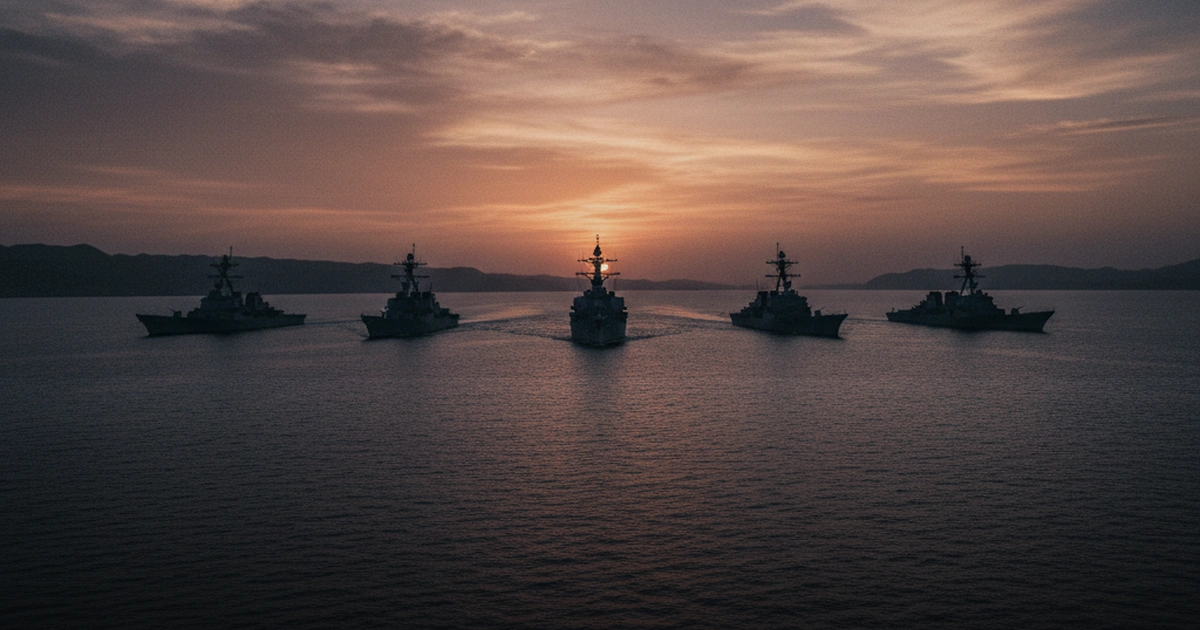
On April 7, 2026, President Trump announced a two-week ceasefire with Iran, pulling back from his threat to destroy Iranian civilization just hours before his self-imposed 8 p.m. deadline.
The reversal came after Trump had escalated his rhetoric to apocalyptic levels, warning that Iranian civilization would "probably die tonight" if Tehran didn't reopen the Strait of Hormuz. Instead of following through on the threat, Trump accepted a Pakistani-brokered proposal for a temporary halt to the 40-day conflict.
Iran's Supreme National Security Council confirmed it had accepted the ceasefire terms. The agreement represents the first pause in hostilities since the war began with the 155-aircraft rescue operation that freed two US airmen from Iranian custody.
The question is whether this marks genuine de-escalation or a tactical pause that allows both sides to reposition for the next round.
The Escalation That Forced the Reversal
Trump's threats had reached unprecedented levels in the hours before the ceasefire. He warned that "a whole civilization will die tonight" if Iran failed to meet his ultimatum to reopen the Strait of Hormuz by 8 p.m. Eastern Time.
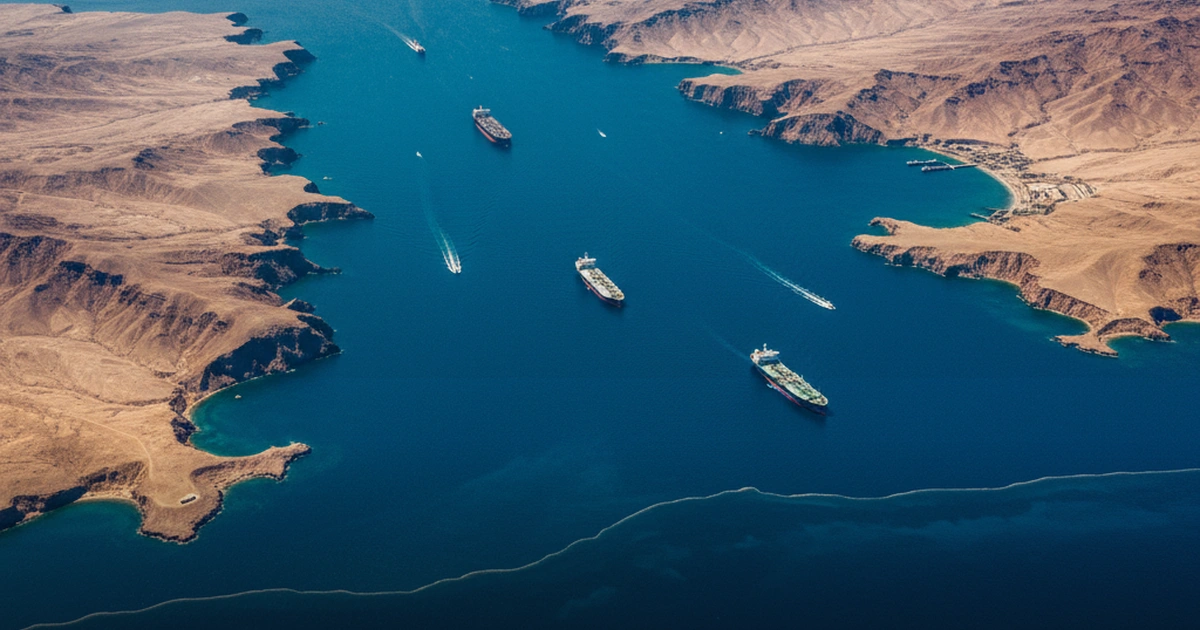
The escalation arc began with Iran's closure of the critical shipping lane after US-Israeli strikes on Iranian infrastructure. Russia and China vetoed a UN Security Council resolution demanding the strait's reopening hours before Trump's deadline.
Congressional Democrats raised alarm over Trump's Iran posture. Dozens called for his removal under the 25th Amendment after the civilization threat. Even MAGA influencers pushed back, with some saying "it's time to say no" to the president's war plans.
France opposed US-Israeli strikes on Iranian infrastructure. Saudi Arabia shut the Bahrain causeway, citing Iranian fire that wounded 15 Americans in Kuwait.
The pressure points were mounting from multiple directions when Pakistan proposed the two-week ceasefire as an alternative to Trump's ultimatum.
What the Ceasefire Actually Requires
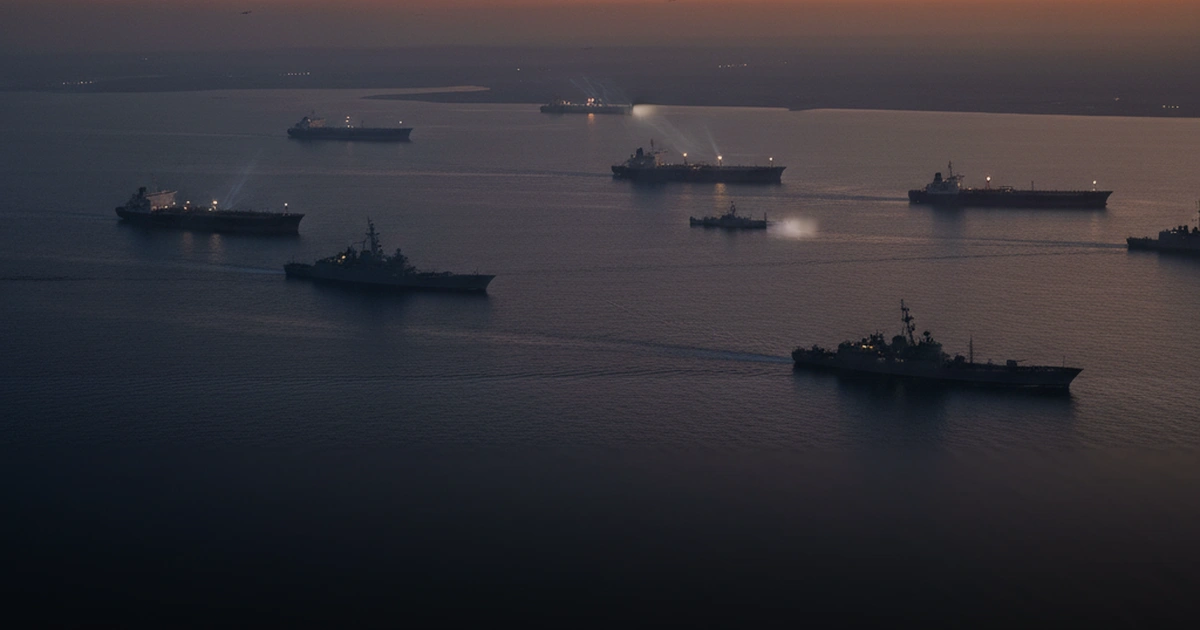
The terms remain partially unclear, but the core elements involve a two-week pause in hostilities and arrangements for reopening the Strait of Hormuz. Trump announced the US would help with "traffic buildup" in the strait, suggesting American assistance in clearing the shipping backlog.
Iran portrayed the ceasefire as a "victory against the United States and Israel." Tehran's framing suggests Iran secured concessions beyond simply avoiding destruction of its power grid.
Oil prices plunged below $100 per barrel on news of the agreement. Markets had been pricing in extended warfare and continued disruption to Persian Gulf oil flows.
Netanyahu said the ceasefire was "not the end of war" and all Israeli goals would be achieved. Israeli officials expressed concerns about Trump's emerging deal, suggesting tensions within the US-Israeli coalition over the pause.
The enforcement mechanism remains undefined. No international monitors have been announced. The agreement appears to rest on Pakistani mediation and direct US-Iran communication.
The Wider Battlefield Continues
The ceasefire applies to US-Iran hostilities but leaves other conflicts unresolved. Ten were killed in Gaza clashes near the Magazi refugee camp. Hamas continues rejecting disarmament clauses in any broader settlement.
One gunman was killed and two wounded in a shooting at the Israeli consulate in Istanbul. Turkish officials dubbed the attackers "terrorists." The incident suggests regional spillover effects continue despite the US-Iran pause.
Iran claimed a Tehran synagogue was "completely destroyed" by US-Israeli strikes. An Israeli family was killed in an Iranian missile strike in Haifa and laid to rest as the ceasefire took effect.
Four IDF soldiers were detained in Shin Bet facilities on suspicion of spying for Iran. The arrests highlight ongoing intelligence warfare beneath the surface of formal hostilities.
Two French nationals were released from Iranian detention after three and a half years. US journalist Shelly Kittleson was freed after being kidnapped in Iraq by an Iran-backed militia.
The prisoner releases suggest back-channel negotiations were occurring even as Trump threatened civilizational destruction.
The Two-Week Test
The ceasefire creates a narrow window for diplomacy but leaves fundamental issues unresolved. Iran maintains its position in the Strait of Hormuz. The US retains the capability to resume strikes. Israel continues operations in Lebanon outside the ceasefire framework.
Pakistan's mediation role represents a significant diplomatic development. Islamabad positioned itself as the critical intermediary between Washington and Tehran when traditional allies failed to prevent escalation.
The enforcement challenge is immediate. No international monitoring mechanism exists. The agreement relies on mutual restraint and Pakistani good offices. History suggests two weeks provides barely enough time to establish monitoring systems, let alone resolve underlying conflicts.
Trump's reversal from apocalyptic threats to negotiated pause raises questions about decision-making processes and credibility. The whiplash from "civilization will die" to ceasefire agreement within hours suggests either tactical flexibility or strategic confusion.
The real test comes in 14 days. Both sides can claim victory for now. Iran avoided destruction. Trump avoided following through on threats that alarmed allies and domestic critics. The Strait of Hormuz remains contested. The underlying war continues.