Israel Strikes 182 in Lebanon Hours After Iran Ceasefire
- Israel killed at least 182 people in massive Lebanon strikes just hours after the US-Iran ceasefire was announced on April 8, 2026.
- Iran immediately closed the Strait of Hormuz again and accused the US of violating the ceasefire terms by allowing Israeli attacks.
- Trump administration says Lebanon was never included in the Iran deal, while Iranian officials claim it was part of the agreement.
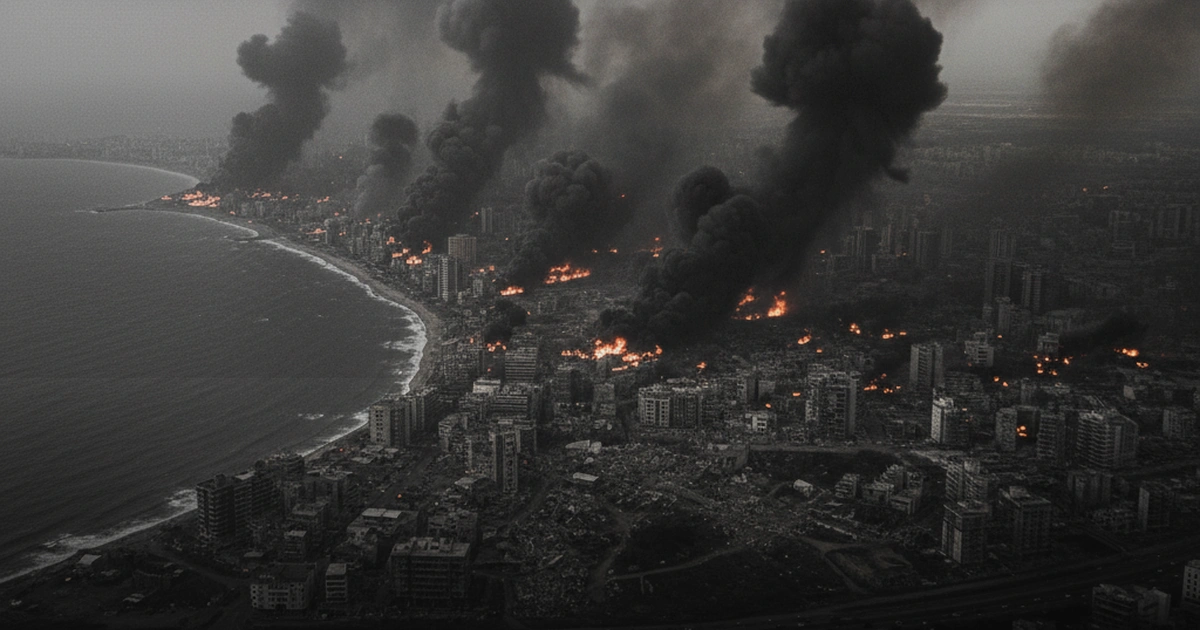
Hours after President Trump announced a ceasefire with Iran, Israeli forces launched what Lebanese officials called the largest coordinated strikes of the war. At least 182 people were killed across Lebanon in a single day of bombardment.
The strikes began within six hours of Trump's announcement. Iran's response was immediate: the Strait of Hormuz was closed again, and Iranian officials accused Washington of violating the ceasefire before it could take effect.
The sequence reveals the central contradiction in Trump's Iran deal. The ceasefire was designed to pause the US-Iran war, but it left Israel's parallel campaign against Iranian proxies undefined.
The Lebanon Paradox
Trump explicitly stated that Israeli strikes on Lebanon constitute a "separate skirmish" not covered by the Iran ceasefire. His administration maintains that Lebanon was never included in the agreement.
Iranian officials tell a different story. According to Haaretz sources, both Iran and Pakistan understood Lebanon would be included in the ceasefire framework. Iran's parliamentary speaker accused the US of violating the agreement within hours of its announcement.
The strikes targeted Hezbollah positions across southern Lebanon and hit central Beirut neighborhoods. Lebanese Health Ministry data shows 182 confirmed deaths, with the toll climbing as rescue operations continue.
Netanyahu's office confirmed that Israel would continue operations against Hezbollah regardless of the US-Iran agreement. The Israeli position is that Iran's proxy network remains a separate threat requiring military action.
Strait of Hormuz Leverage
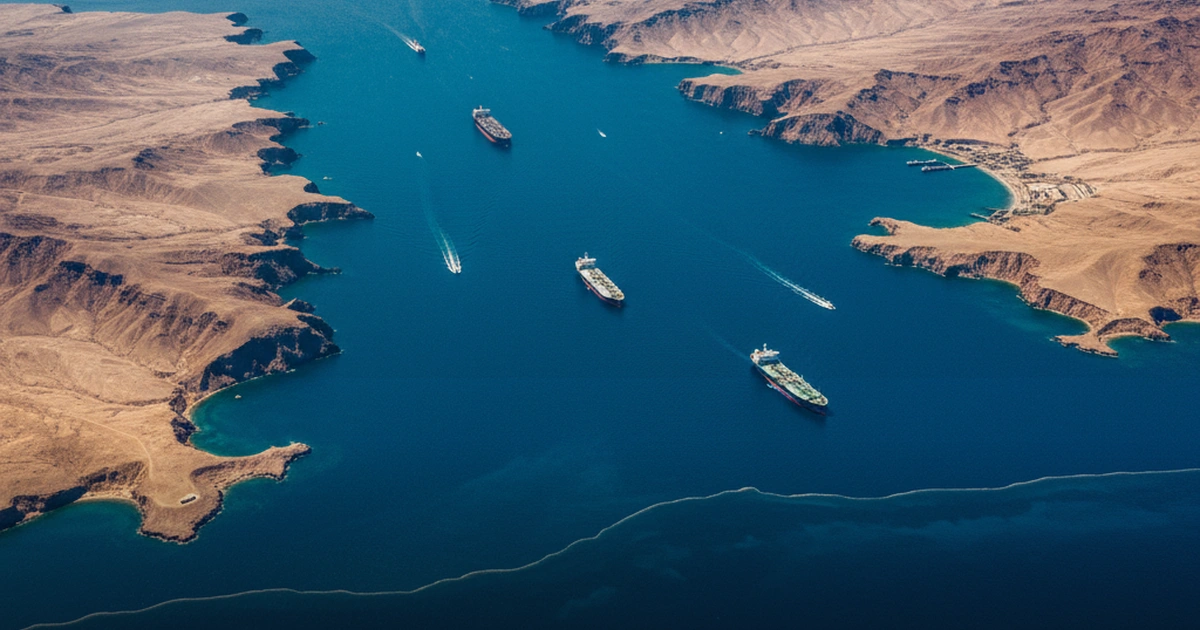
Iran's closure of the Strait of Hormuz demonstrates the fragility of the ceasefire framework. Iranian media reported the waterway was sealed in direct response to the Lebanon strikes.
The White House called the closure "completely unacceptable" under the ceasefire terms. But Iran maintains it has the right to control access to the waterway when its allies are under attack.
Oil prices jumped back above $100 per barrel as traders recognized the leverage Iran maintains. The Strait carries roughly 20% of global oil traffic. Iran can throttle world energy markets regardless of any bilateral ceasefire with the United States.
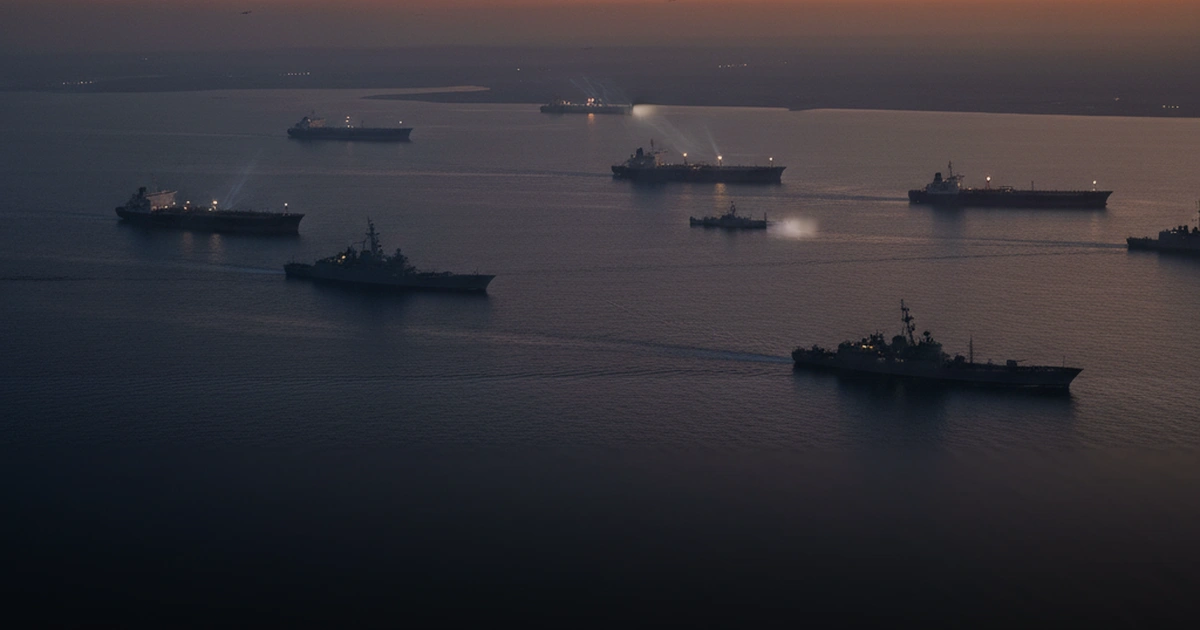
Shipping data analyzed by the Australian Broadcasting Corporation shows vessel traffic through the Strait dropped to near zero within hours of Iran's announcement. Maersk announced it would maintain suspension of Hormuz transits despite the ceasefire.
The Strategic Miscalculation
The Lebanon strikes expose a fundamental flaw in the ceasefire architecture. Trump's team negotiated a bilateral pause with Iran while leaving Israel's regional campaign unconstrained.
Former US officials told PBS the framework was "inherently unstable" because it failed to address proxy conflicts. Iran views Hezbollah as integral to its regional defense strategy. Israel sees Hezbollah as an existential threat requiring immediate elimination.
The contradiction was predictable. NPR analysis of the war's objectives shows neither side achieved its core goals. The US failed to eliminate Iran's nuclear program or proxy network. Iran failed to break US regional dominance or force Israeli withdrawal from contested territories.
Pentagon officials acknowledged that US forces would remain deployed in the region regardless of the ceasefire. Secretary Hegseth said American troops would be "hanging around" to monitor compliance.
The result is a ceasefire that pauses direct US-Iran combat while allowing the proxy war to continue. Iran can escalate through Hezbollah, close shipping lanes, and threaten energy markets. Israel can strike Iranian assets across the region while claiming self-defense.
This is not a peace agreement. It is a managed pause that gives both sides leverage to resume fighting at will. The Lebanon strikes prove the arrangement is already breaking down.