Trump Pauses Iran Power Plant Strikes as Tehran Threatens Gulf Mining
- Trump postponed strikes on Iranian power plants for five days, citing “very good” talks with a senior Iranian official
- Iran’s Defence Council threatened to mine all Persian Gulf communication lines if the US attacks energy infrastructure
- Iranian missiles struck areas near Israel’s main nuclear research center, injuring over 100 people
Donald Trump pulled back from his 48-hour ultimatum to strike Iranian power plants on March 23, announcing a five-day pause in energy infrastructure targeting. The decision came as Iran’s Defence Council issued its most severe escalation threat yet: mining all Persian Gulf shipping lanes if US forces attack the power grid.
The reversal marked Trump’s second major policy shift in 72 hours. On March 21, he had threatened to “obliterate” Iranian energy infrastructure unless Tehran reopened the Strait of Hormuz within 48 hours. By March 23, he was touting “major points of agreement” in talks with Iranian officials.
The Five-Day Window
Trump announced the postponement during a Monday morning press briefing, claiming negotiations with a senior Iranian official had produced substantial progress. “We are very close to a deal that could end this conflict,” Trump said, according to multiple outlets.
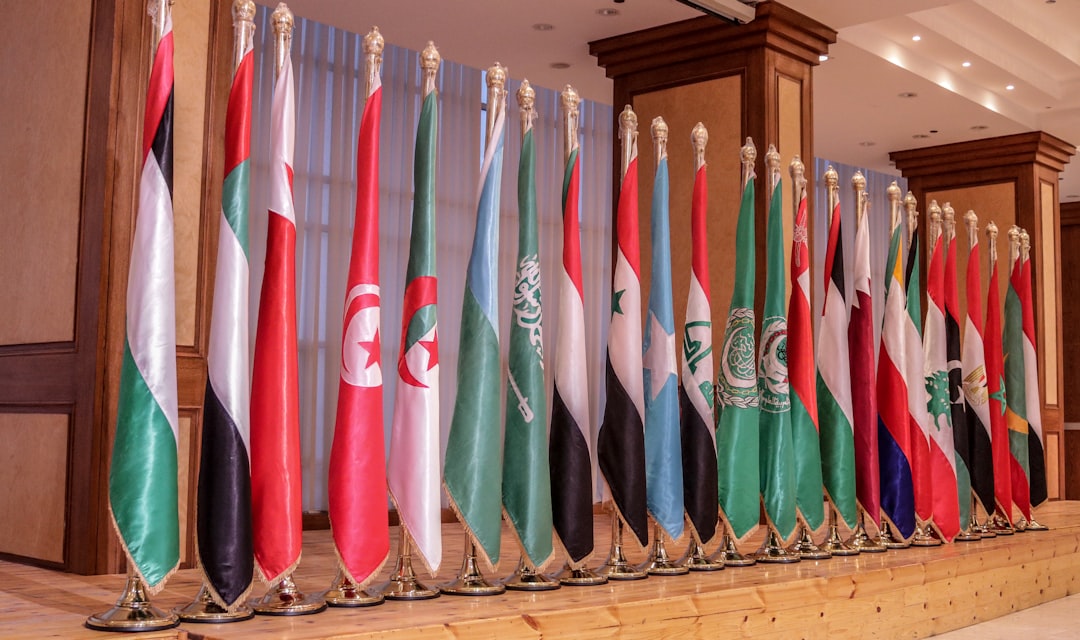
Iran immediately denied any direct negotiations were taking place. Foreign Ministry spokesman Nasser Kanaani called reports of talks “fake news” and said Iran’s position remained unchanged: complete withdrawal of US forces from the region.
The contradiction exposed the fragility of whatever diplomatic channel may exist. Trump denied contact with Iran’s Supreme Leader Mojtaba Khamenei, leaving unclear which Iranian official he claimed to be negotiating with.
Iran’s Defence Council escalated its own rhetoric in response to the original ultimatum. The body threatened to mine “ALL Persian Gulf communication lines” if US forces struck power infrastructure. That would represent a massive expansion beyond Iran’s current selective blockade of the Strait of Hormuz, potentially shutting down the entire Gulf to commercial traffic.
Iran’s Nuclear Gamble
The pause came hours after Iranian missiles struck areas near Israel’s Dimona nuclear research center, injuring more than 100 people in the towns of Arad and Dimona. The strikes marked Iran’s closest approach yet to a major Israeli nuclear facility during the 25-day conflict.
US and Israeli forces had struck Iran’s Natanz nuclear facility on March 20-21, according to Iran’s atomic energy organization. No radiation leak was reported, but the attack represented the first direct strike on Iranian nuclear infrastructure since the war began.
The targeting of nuclear-adjacent sites by both sides raised the conflict’s stakes beyond conventional military exchanges. Iran’s missile strikes on Dimona-area towns appeared designed to signal capability without crossing the threshold of directly hitting nuclear facilities.
Meanwhile, over 40 Middle East energy assets have been “severely damaged” according to International Energy Agency chief Fatih Birol. The damage includes strikes on Iran’s South Pars gas field, the world’s largest natural gas field shared with Qatar.
Energy Markets Under Pressure
The Trump administration temporarily lifted sanctions on Iranian oil stranded at sea to ease price pressure. The move allowed Iranian crude held on tankers for over a month to reach markets, providing Tehran an unexpected revenue boost during wartime.
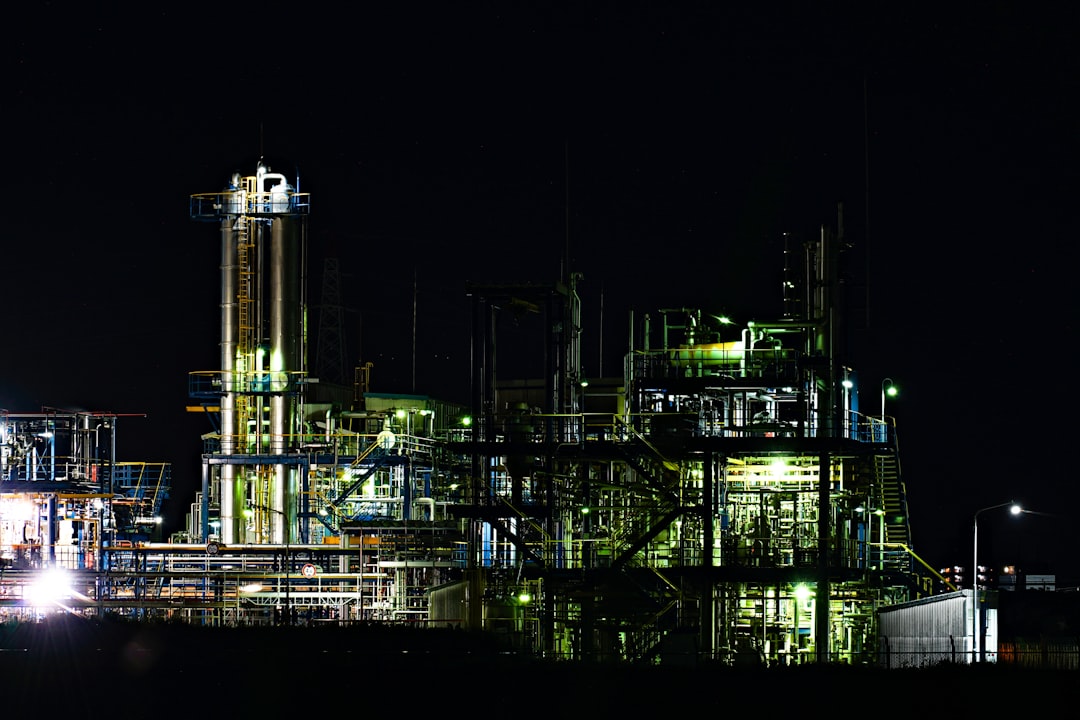
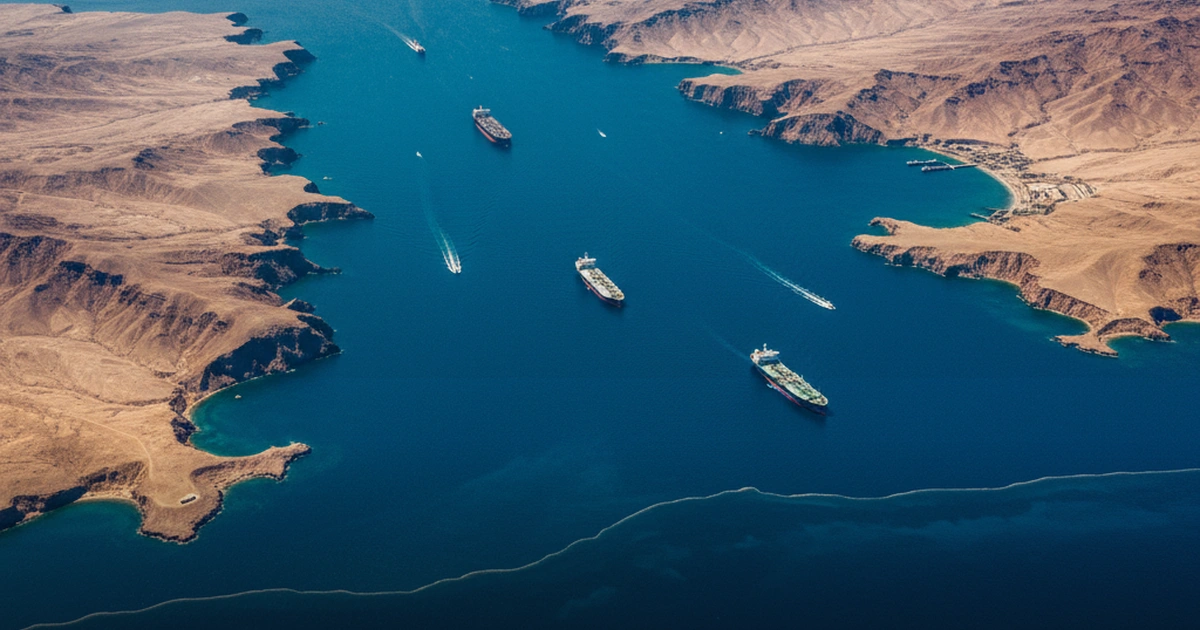
Oil traffic through the Strait of Hormuz remains at less than 5% of normal levels. Iran has implemented what analysts call a “permission-based regime,” allowing select ships from China, India, and Japan to transit while blocking vessels from US allies.
The IEA warned the crisis represents the worst energy emergency since the 1970s. European nations face particular vulnerability as Gulf energy supplies account for nearly 40% of their natural gas imports.
Trump’s five-day pause provides a narrow window to prevent Iran from implementing its mining threat. Mining Persian Gulf shipping lanes would effectively shut down 20% of global oil transit and 30% of liquefied natural gas trade. The economic consequences would extend far beyond current energy price spikes.
The diplomatic contradiction between Trump’s claims of progress and Iran’s denials suggests any deal remains fragile. With Iranian missiles targeting Israeli nuclear towns and US forces continuing strikes across Iran, both sides face pressure to escalate rather than compromise. The next 120 hours will determine whether Trump’s gamble on talks can prevent a wider Gulf crisis.