Iran Fires Missiles at Tel Aviv Hours After Trump Claims Peace Talks
- Iran launched a new wave of missiles against Israel early Tuesday, with impacts reported near Tel Aviv, hours after President Trump claimed the US was “in negotiations right now” with Tehran
- The Pentagon ordered deployment of 2,000 troops from the 82nd Airborne Division to the Middle East as Trump reportedly eyes a ground invasion of Iran’s Kharg Island
- Iran rejected Trump’s claims of peace talks as “fake” and toughened its negotiating stance, refusing limits on ballistic missiles while offering limited Strait of Hormuz access to “non-hostile” ships
Iran launched a new wave of missiles against Israel early Tuesday morning, striking targets near Tel Aviv just hours after President Donald Trump announced that the United States was conducting negotiations with Tehran to end the 26-day war.
The missile barrage marked Iran’s most direct response to Trump’s diplomatic overtures, with Tehran dismissing the president’s claims of ongoing talks as “fake” while simultaneously launching coordinated strikes against Israeli and Gulf state targets.
The Missile Barrage
Iranian forces fired multiple ballistic missiles toward central Israel between 2:00 and 4:00 AM local time, with impacts reported near Tel Aviv and surrounding areas. Israeli defense officials confirmed that at least one warhead struck a building complex in the Tel Aviv metropolitan area, though no casualties were immediately reported.
The strikes came approximately six hours after Trump told reporters that the US was “talking to the right people in Iran” and was “in negotiations right now” to end the conflict. Iran’s Supreme National Security Council responded within hours, calling Trump’s statements “propaganda” designed to mask continued American military escalation.
Iran also targeted energy infrastructure in Gulf states allied with the US, extending the night’s attacks beyond Israeli territory for the first time since the conflict began.
The Diplomatic Split Screen
The timing exposed a fundamental disconnect between Trump’s public diplomacy and Tehran’s military response. While the president claimed progress in negotiations, the Pentagon was simultaneously ordering deployment of 2,000 troops from the 82nd Airborne Division to the Middle East.
The US had sent Iran a 15-point plan to end the war, delivered through Pakistani intermediaries. Pakistan confirmed it was prepared to host direct talks between Washington and Tehran, but Iranian officials toughened their negotiating stance in response.
Iran rejected any limits on its ballistic missile program and demanded complete withdrawal of US forces from the region before considering a ceasefire. The country’s new security chief, Mohammad Bagher Zolghadr, replaced the slain Ali Larijani and immediately signaled a harder line against American proposals.
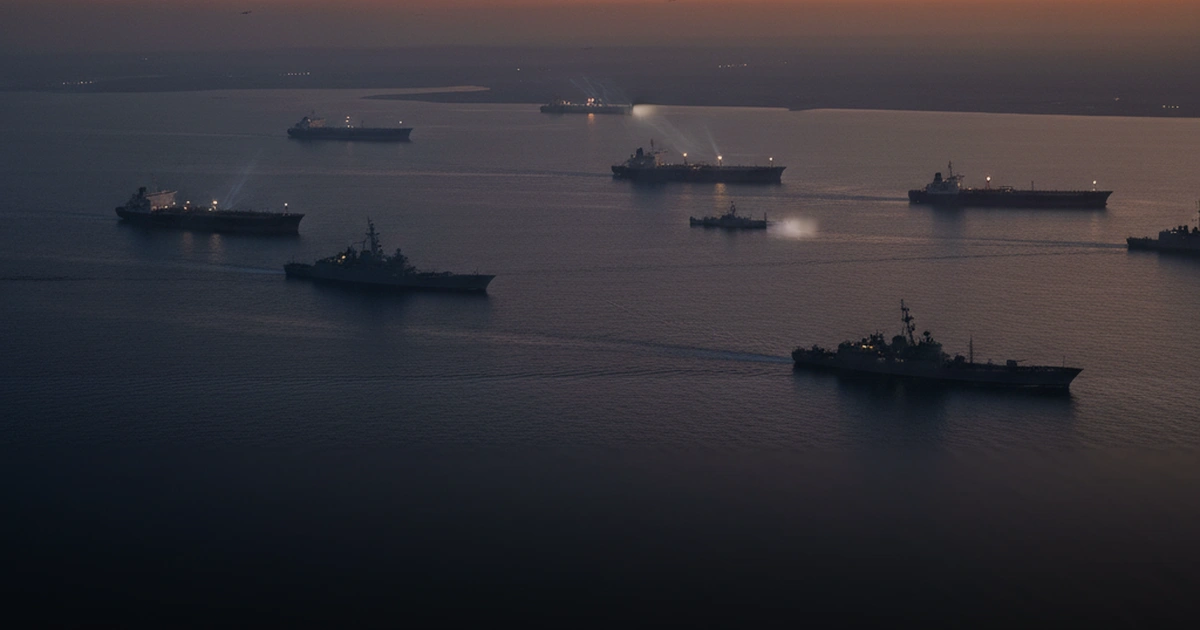
Meanwhile, Trump’s military advisers were reportedly pushing for a ground invasion of Iran’s Kharg Island, which handles 90% of the country’s oil exports. The 82nd Airborne deployment appeared designed to provide options for such an operation.
The Strait Bargaining Chip
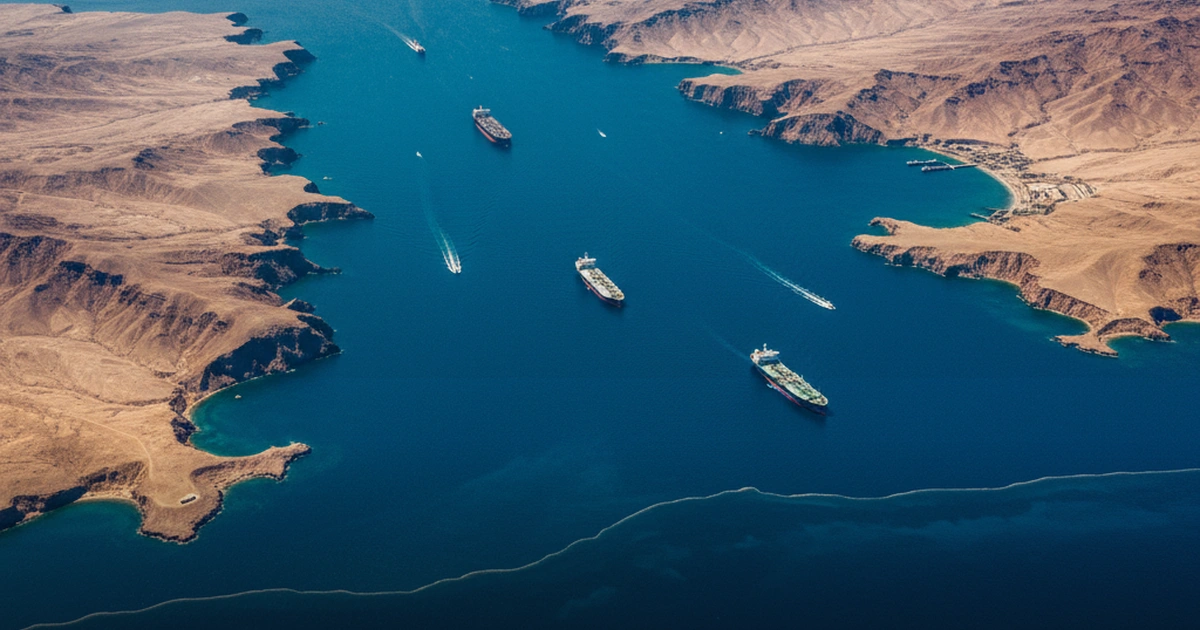
Iran offered its first concession since the war began, telling the UN that “non-hostile” ships could transit the Strait of Hormuz while maintaining its blockade of US and Israeli-linked vessels. The move appeared calculated to split the international coalition supporting American military action.
Under 100 ships have passed through the strait since Iran imposed its blockade in early March, down from the normal rate of 90 per day. The selective easing could restore some commercial shipping while keeping pressure on Washington’s key allies.
Israeli military officials told reporters they wanted “more weeks” to continue striking Iranian targets before any ceasefire took effect, suggesting coordination problems between Washington and Jerusalem over the diplomatic timeline.
The disconnect between Trump’s peace overtures and Iran’s missile response sets up a critical test for both sides. Trump must decide whether to escalate militarily or pursue the Pakistani mediation track. Iran must calculate whether its missile strikes killed the diplomatic opening or strengthened its negotiating position.
The answer will likely emerge within 48 hours, as the 82nd Airborne deployment reaches the region and Pakistan’s mediators await responses to the 15-point plan.