Iran Ceasefire Stalls as Strait of Hormuz Stays Closed
- Iran’s delegation arrived in Pakistan demanding U.S. accept “preconditions” before peace talks can begin
- Strait of Hormuz shipping traffic remains effectively frozen six days after ceasefire began
- VP Vance warns Iran not to “play” the U.S. as he heads to Islamabad for negotiations
Iran’s deputy foreign minister told the BBC the United States must “choose between war and ceasefire” as Iranian delegates arrived in Islamabad for talks that may never begin. The delegation set preconditions before negotiations could start, while the Strait of Hormuz remains effectively closed despite a six-day-old ceasefire.
The Standoff
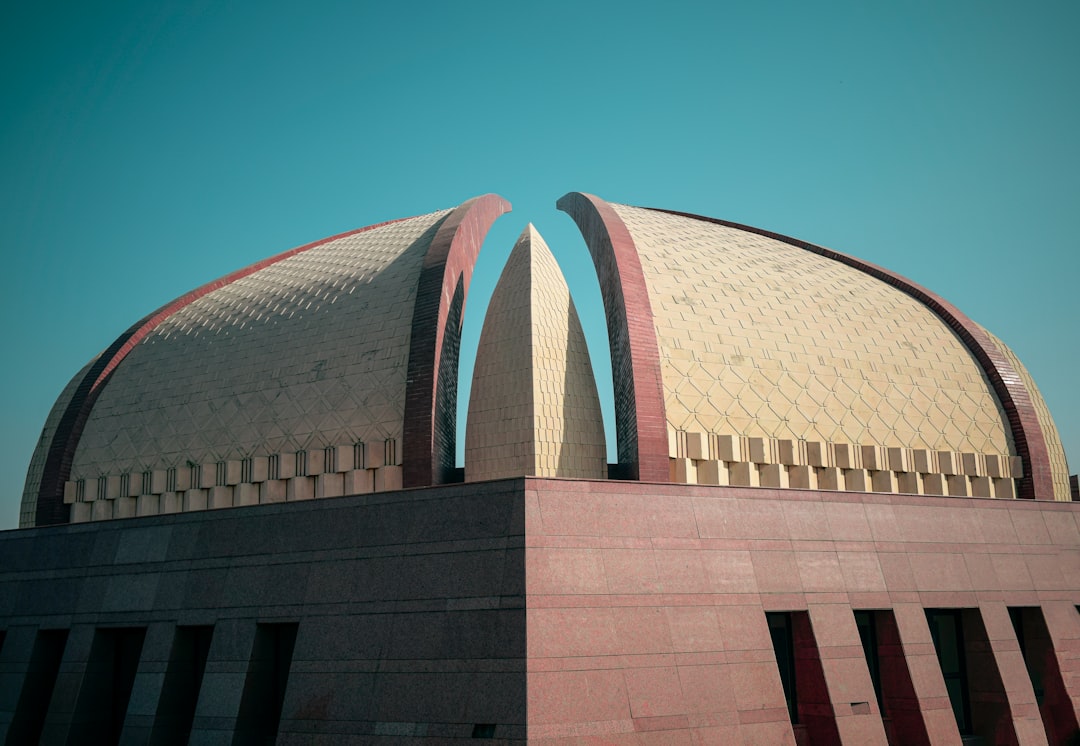
Vice President Vance warned Iran not to “play” the United States as he departed for Pakistan to lead the American negotiating team. Iran’s parliament speaker Mohammad Bagher Ghalibaf arrived in Islamabad with demands for a Lebanon ceasefire and asset releases before talks could proceed.
The preconditions put the negotiations in immediate jeopardy. Iran wants the U.S. to guarantee a halt to Israeli operations in Lebanon and the unfreezing of Iranian assets as prerequisites for discussing the Strait of Hormuz or broader peace terms.
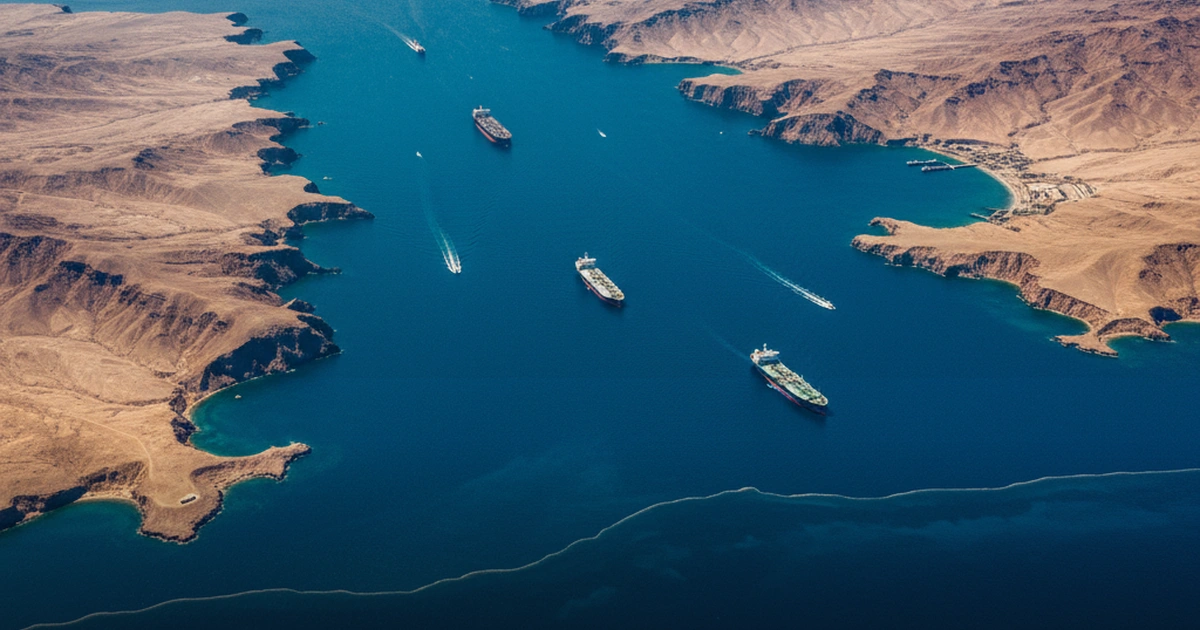
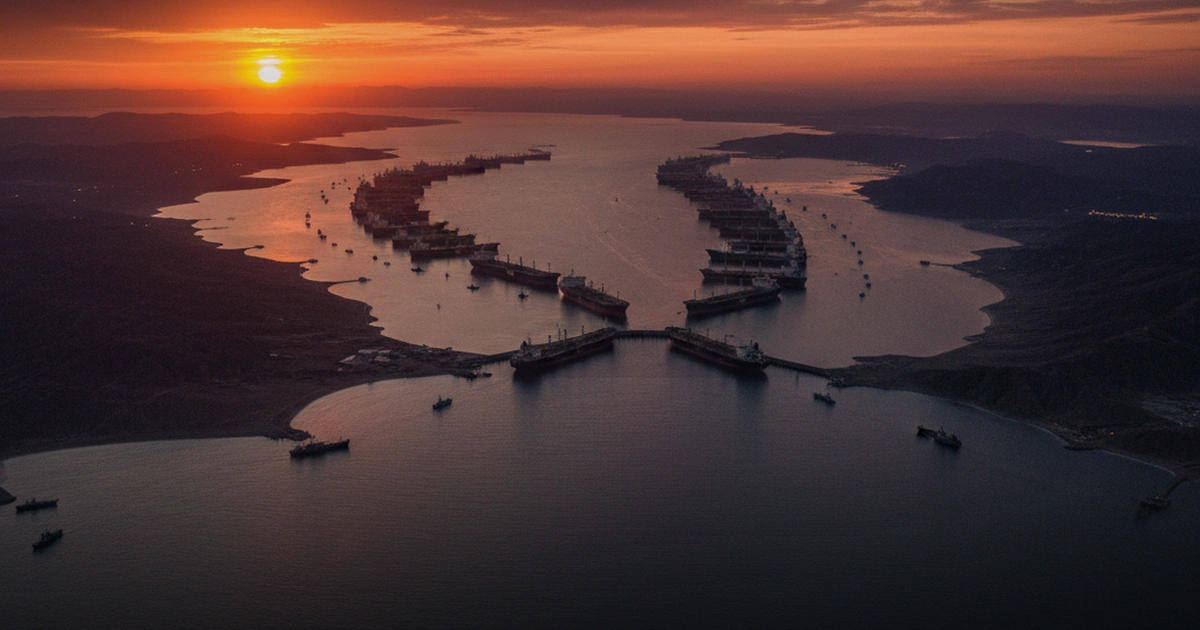
What changed since the March ceasefire? Iran has maintained control over the strait while setting new terms for passage. The waterway that handles 21% of global petroleum liquids remains frozen to commercial traffic.
The Economic Toll
The shipping blockade is creating cascading economic damage beyond oil markets. European airports warned of fuel shortages if the strait doesn’t reopen soon. Consumer prices jumped 0.9% in March as energy costs spiked from the 42-day conflict.
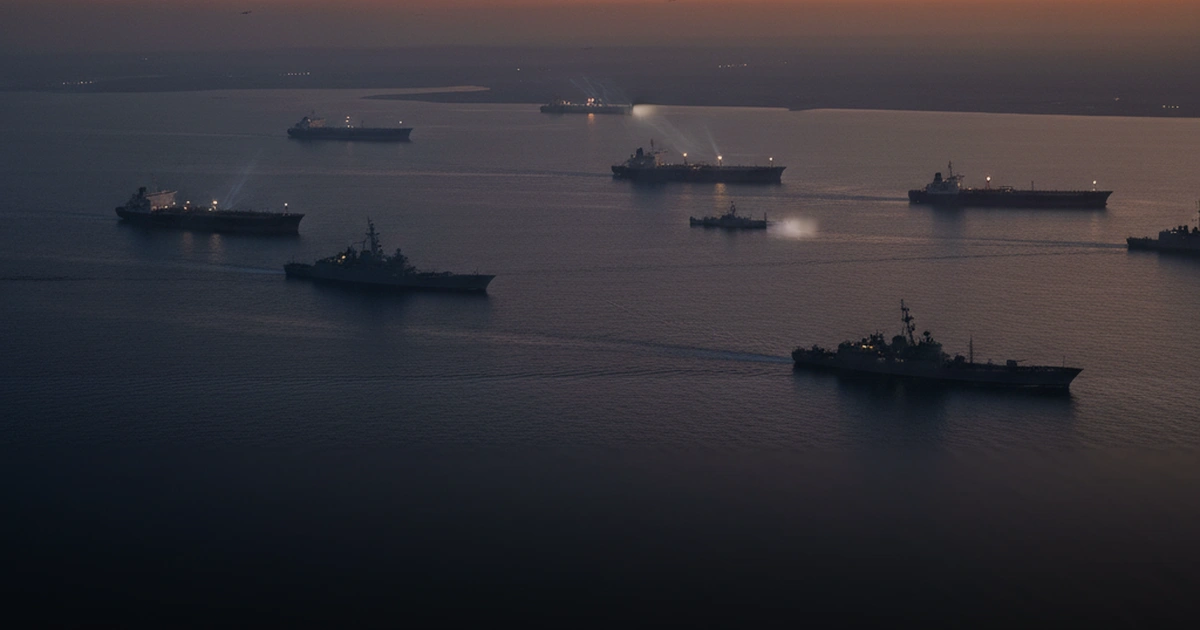
Walk through the math: Before the war, insuring a supertanker through Hormuz cost around $60,000. Insurance companies now demand over $1 million for the same transit. Of the 90 ships that used to pass daily, fewer than 100 total have made it through since early March.
Iran reportedly demands cryptocurrency payments from tankers seeking passage, creating what one official called a “tollbooth, not a wall.” The U.S. says Iran can’t locate all the mines it placed in the waterway, complicating any reopening.
The Next 48 Hours
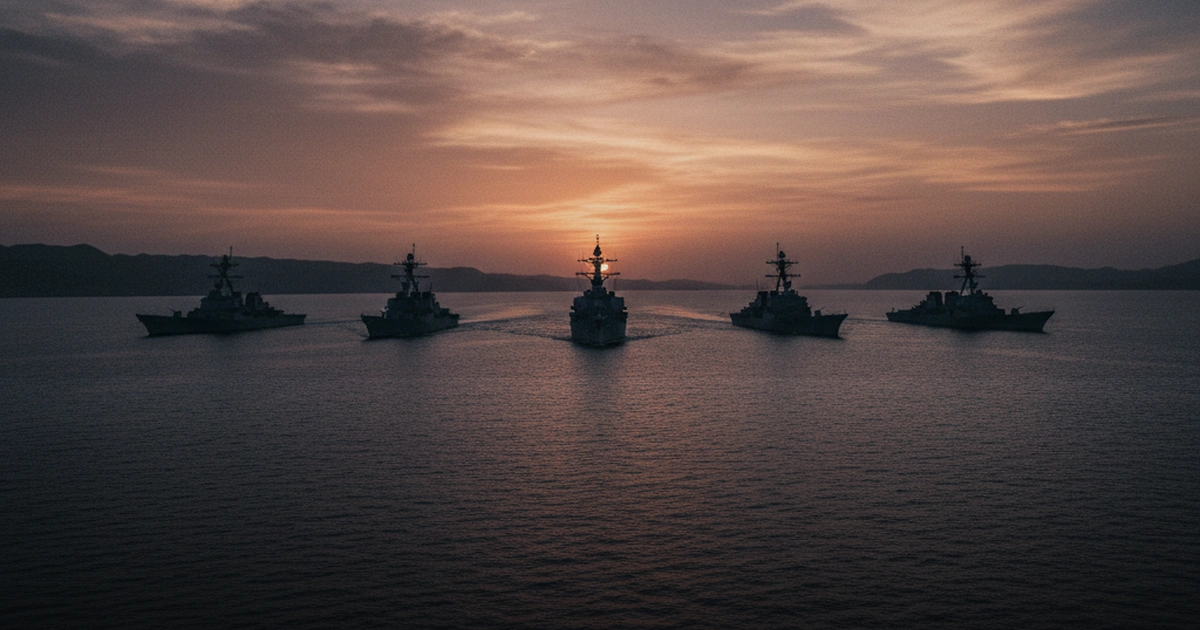
Trump declared the strait would reopen “fairly soon” and threatened fresh military action if talks fail. He told the New York Post the military is “loading up the ships” as a backup plan.
Pakistan set modest expectations, hoping only to keep negotiations alive rather than achieve a breakthrough. Prime Minister Sharif’s government faces its own economic crisis and needs the talks to succeed to maintain U.S. support.
The ceasefire that neither side has incentive to preserve looks more like a countdown than a truce.