Trump Blasts Iran Over Strait of Hormuz ‘Toll’ as Peace Talks Begin
- President Trump said Iran is doing a “very poor job” reopening the Strait of Hormuz despite the ceasefire
- US and Iranian officials began face-to-face negotiations in Islamabad on April 10, 2026
- Shipping traffic through the strait remains at a standstill with fewer than 100 vessels transiting since early March
President Trump criticized Iran’s efforts to reopen the Strait of Hormuz as US and Iranian officials met face-to-face in Pakistan for the first direct ceasefire talks since the 43-day conflict began.
Trump said Iran is “doing a very poor job” in reopening the crucial shipping lane, suggesting Tehran is effectively charging a toll for passage. The president’s comments came as Vice President JD Vance led the American delegation in Islamabad, where Iranian negotiators arrived with what they called “preconditions” for lasting peace.
The Shipping Standstill
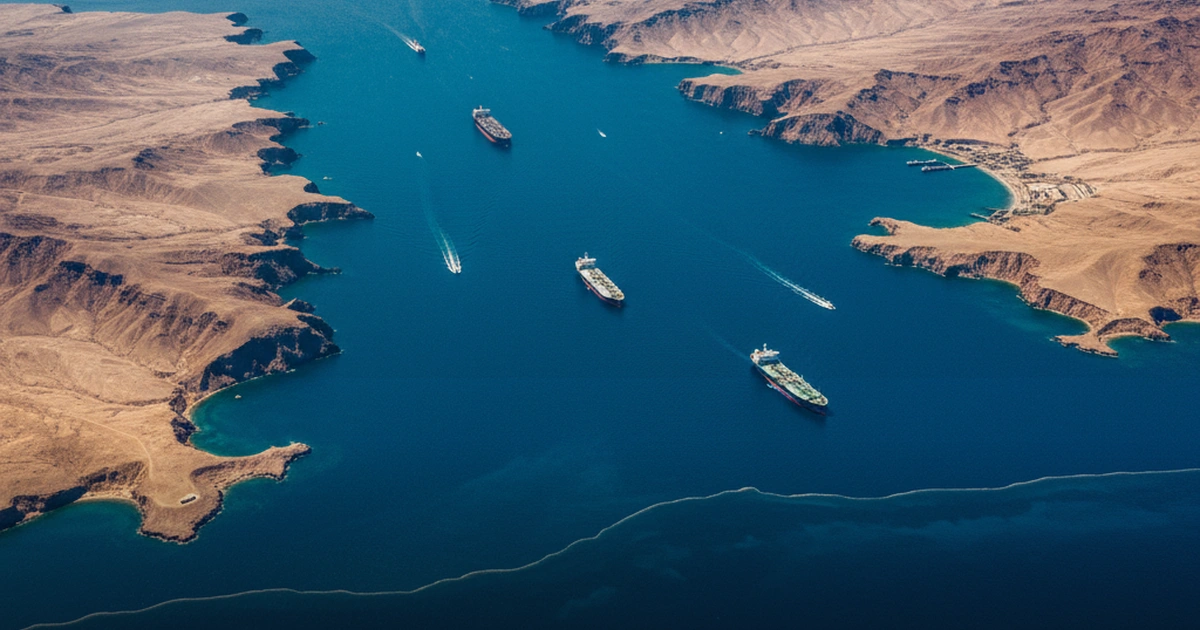
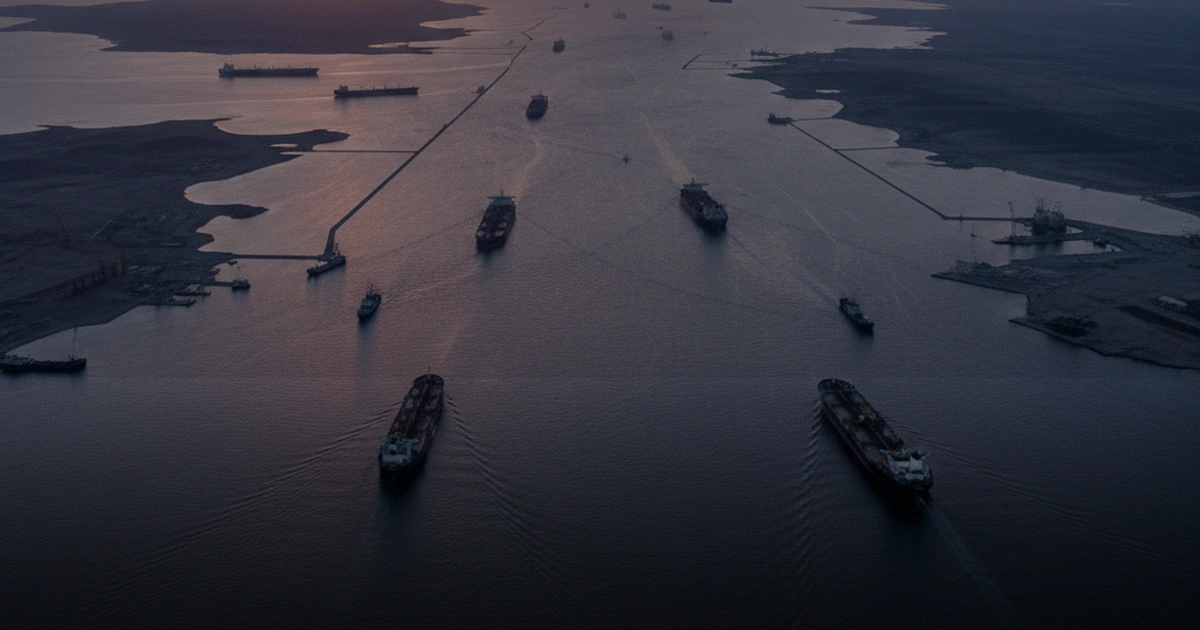
The numbers tell the story of Iran’s stranglehold on global energy flows. Before the war, roughly 90 ships transited the Strait of Hormuz daily. Since the ceasefire began, fewer than 100 total vessels have made the passage, according to shipping data.
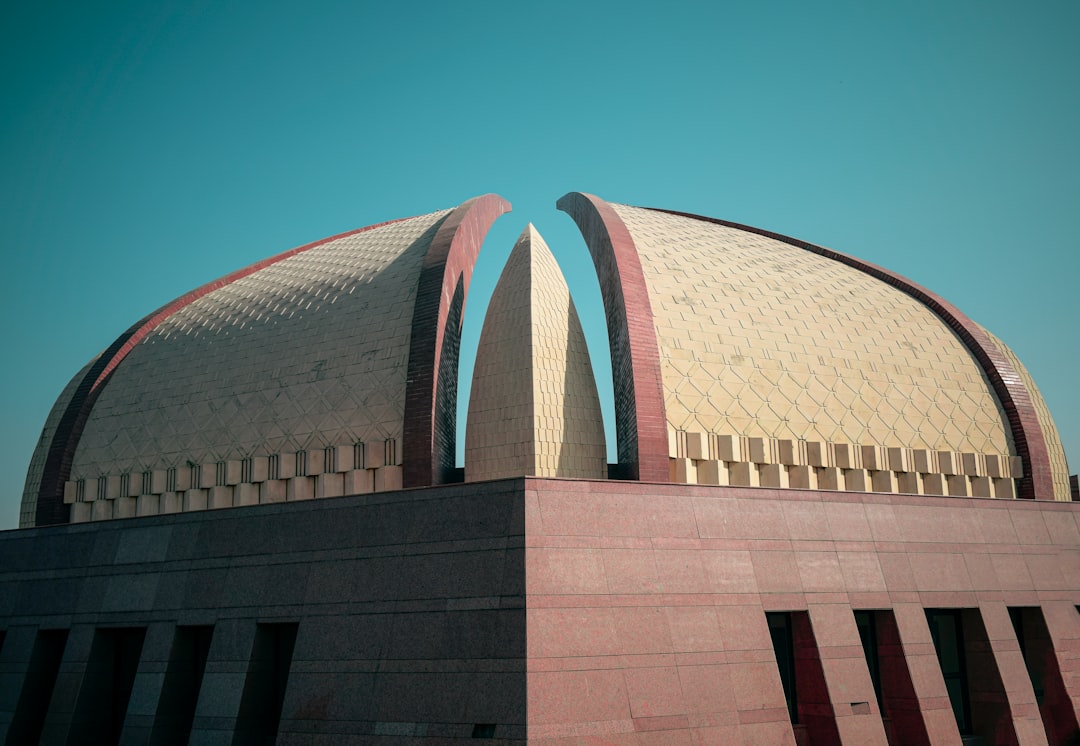
What’s the holdup? Iran reportedly cannot locate or remove the mines it deployed in the waterway during the conflict, US officials told reporters. The technical challenge has created what amounts to an economic blockade even under ceasefire conditions.
The Strait of Hormuz standstill has kept global oil prices elevated and insurance costs sky-high. What used to cost $60,000 to insure a supertanker through the strait now runs over $1 million per transit.
The Negotiation Gambit
Vance warned Iran not to “play” the United States as his delegation touched down in Pakistan. The Iranian team arrived with demands that Lebanon be included in any ceasefire deal and frozen Iranian assets be released.
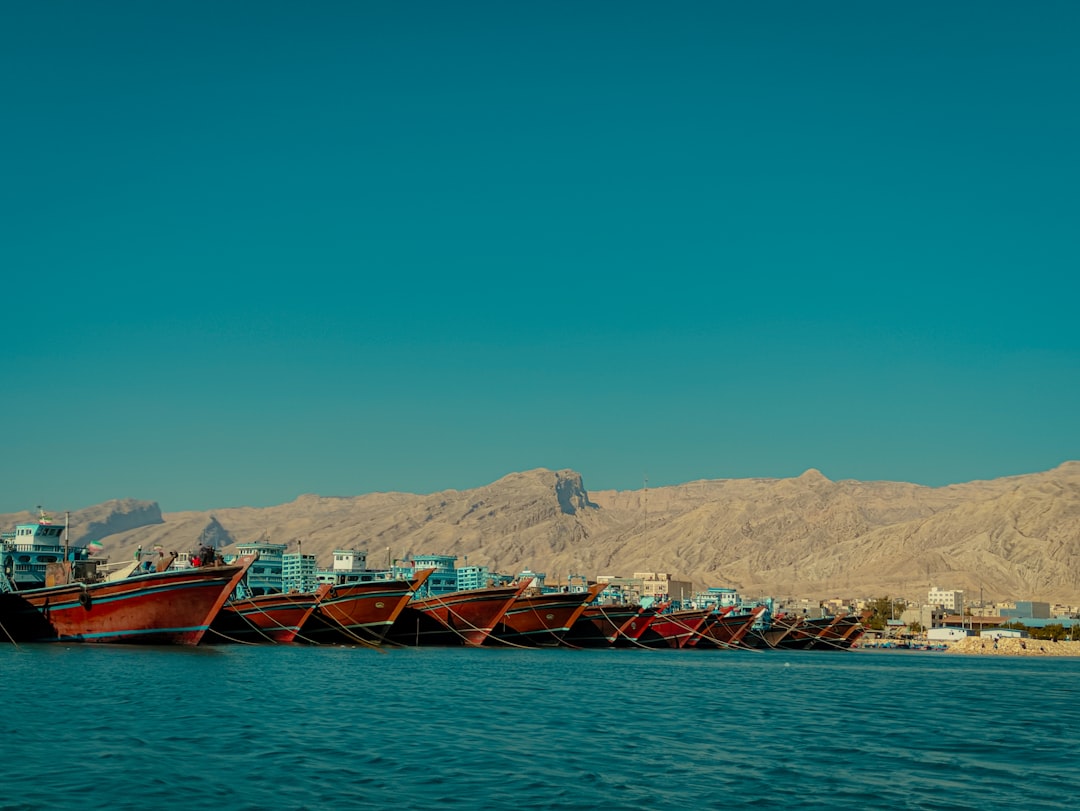
The talks face five major sticking points, according to diplomatic sources: the Strait of Hormuz reopening, sanctions relief, Iran’s nuclear program, regional proxy forces, and Israeli-Lebanese negotiations. Each side entered the room claiming leverage the other disputes.
Trump said it makes “no difference” to him whether the talks succeed, even as his administration pursues what could be the most significant US-Iran diplomatic engagement in decades. The president simultaneously authorized Netanyahu to begin negotiations with Lebanon on a separate track.
Why the mixed signals? Trump appears to be positioning himself as willing to walk away while his negotiators work for a deal. The Strait of Hormuz has become a point of “serious disagreement” in the talks, with Iran unable to guarantee swift reopening.
The 48-Hour Test
The ceasefire’s durability faces its biggest test as Israeli strikes in Lebanon continue despite the pause in US-Iran hostilities. Iran’s foreign minister called the Israeli actions a “grave violation” that threatens the broader peace process.
Iran enters the talks emboldened but wounded, having survived 43 days of American airstrikes while maintaining its regional proxy network. The country’s negotiating position rests on its ability to keep the strait effectively closed while claiming technical difficulties rather than deliberate obstruction.
A ceasefire where neither side can deliver on shipping or stop their allies from fighting isn’t a truce. It’s a countdown to the next escalation.