Islamabad Talks Collapse After Iran Rejects Nuclear Pledge
- U.S.-Iran peace talks collapsed after 21 hours when Iran refused to commit to no nuclear weapons development
- Vice President Vance left Pakistan without an agreement, ending the first direct negotiations since the war began
- Pope Leo XIV condemned the “delusion of omnipotence” fueling the U.S.-Israeli war in Iran
The first face-to-face peace talks between the United States and Iran since hostilities began 44 days ago ended without agreement in Islamabad. Vice President J.D. Vance departed Pakistan after marathon negotiations that extended past midnight failed to produce a ceasefire framework.
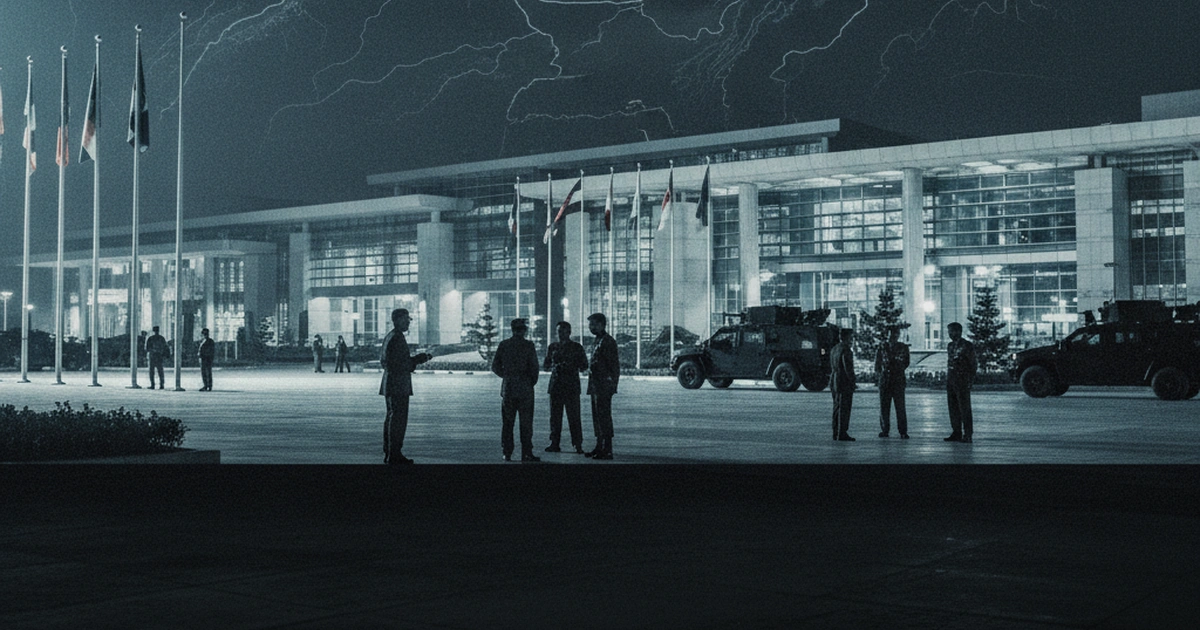
The talks, hosted by Pakistan at an Islamabad convention center, represented the highest-level diplomatic contact since the conflict began in late February. Iran’s chief negotiator was Parliament Speaker Mohammad Bagher Ghalibaf, while Vance led the American delegation.
The Nuclear Sticking Point
The negotiations collapsed over Iran’s refusal to commit to abandoning nuclear weapons development. The U.S. delegation demanded explicit guarantees that Iran would not pursue nuclear weapons as part of any ceasefire agreement.
Iran also insisted that Lebanon be included in any ceasefire arrangement, complicating negotiations as Israeli forces continue striking Hezbollah positions. Israel hit over 200 Hezbollah targets in the previous 24 hours and refuses a ceasefire with Hezbollah.
Following the breakdown, Iranian officials said the “ball is in America’s court” regarding future negotiations. Parliament Speaker Ghalibaf declared “no trust in the United States” after the talks concluded.
Vatican’s War Critique
As negotiations unfolded, Pope Leo XIV delivered his sharpest criticism yet of the 44-day conflict. Speaking at St. Peter’s Basilica, the Pope condemned what he called the “delusion of omnipotence” fueling the U.S.-Israeli war in Iran.
“Enough with war!” the Pope declared during a peace vigil. His remarks represented the Vatican’s most direct challenge to American military policy since the conflict began.
The papal intervention came as 144 Iranian health workers have been killed or wounded in U.S.-Israeli strikes, according to Iranian health officials. The Pope’s use of “delusion of omnipotence” language directly challenged the theological justification some American evangelical leaders have offered for the military campaign.
Trump’s Dismissal
President Trump undermined his own negotiating team before talks concluded, saying the deal “makes no difference” to him. The President told reporters the U.S. “wins regardless” of how the negotiations concluded.
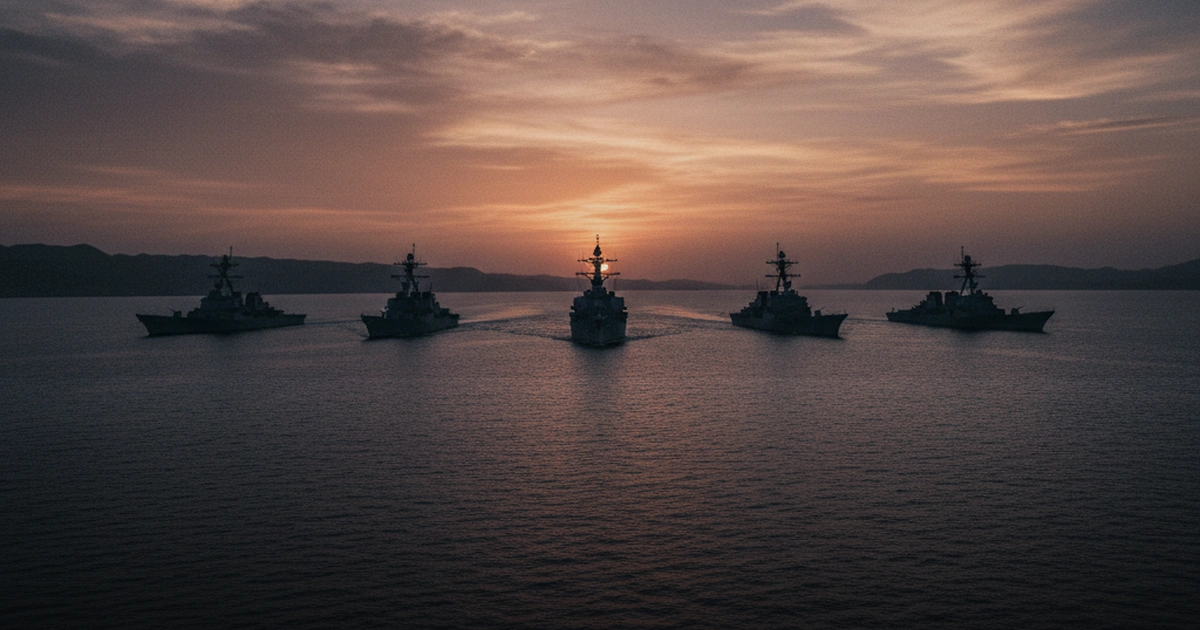
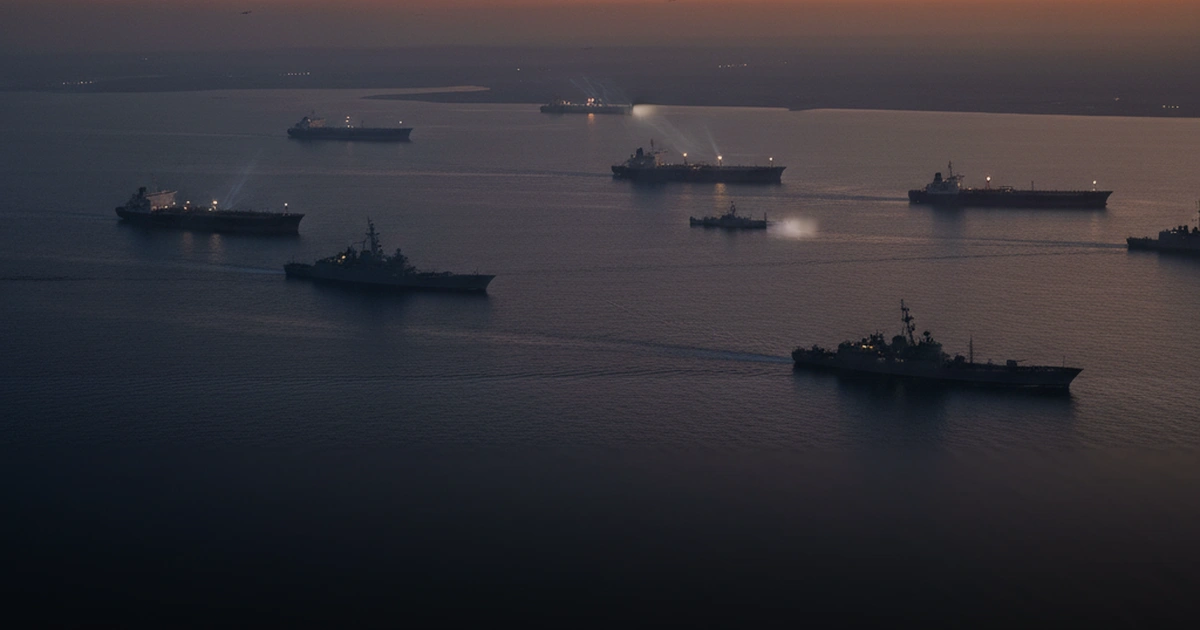
After the talks failed, Trump floated a naval blockade of Iran to counter Tehran’s Strait of Hormuz closure. U.S. naval destroyers are currently working to de-mine the strategic waterway, though commercial shipping remains largely paralyzed.
The diplomatic failure leaves both sides with limited options. Iran maintains its blockade of the Strait of Hormuz while facing continued U.S.-Israeli strikes. The war has now lasted longer than the 1991 Gulf War, with no clear military or diplomatic resolution in sight.