Iran Demands $6 Billion as US-Iran Talks Enter Eighth Hour
- Vice President Vance and Iranian Parliament Speaker Ghalibaf entered their eighth hour of direct negotiations in Islamabad on April 11
- Iran demanded $6 billion in sanctions relief as its opening position for extending the fragile ceasefire
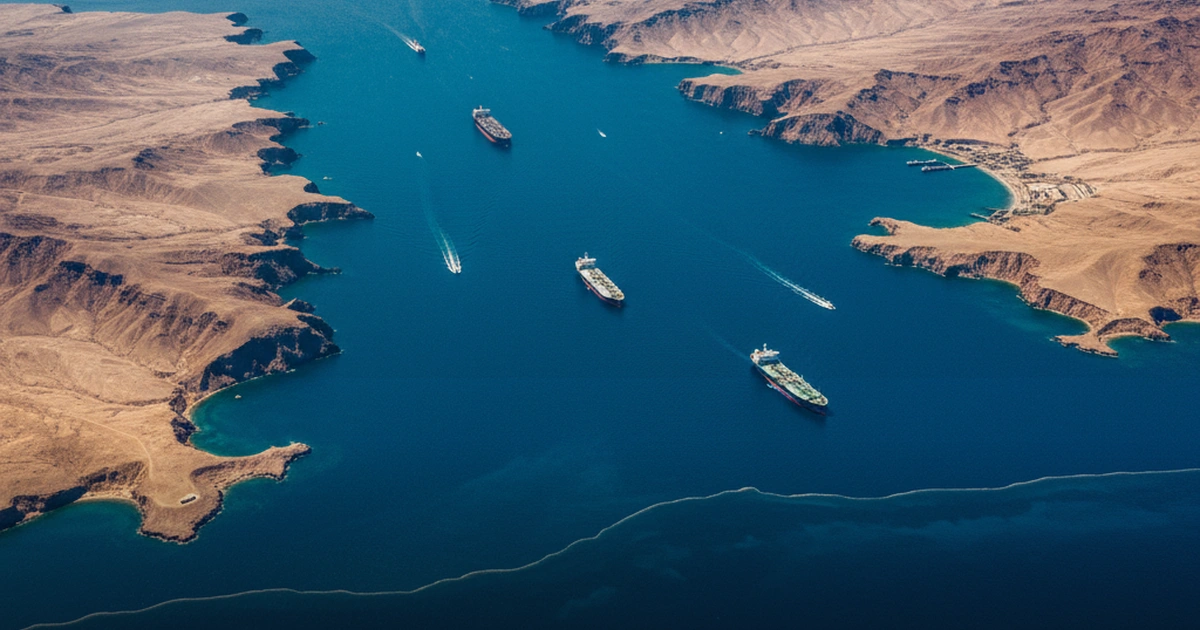
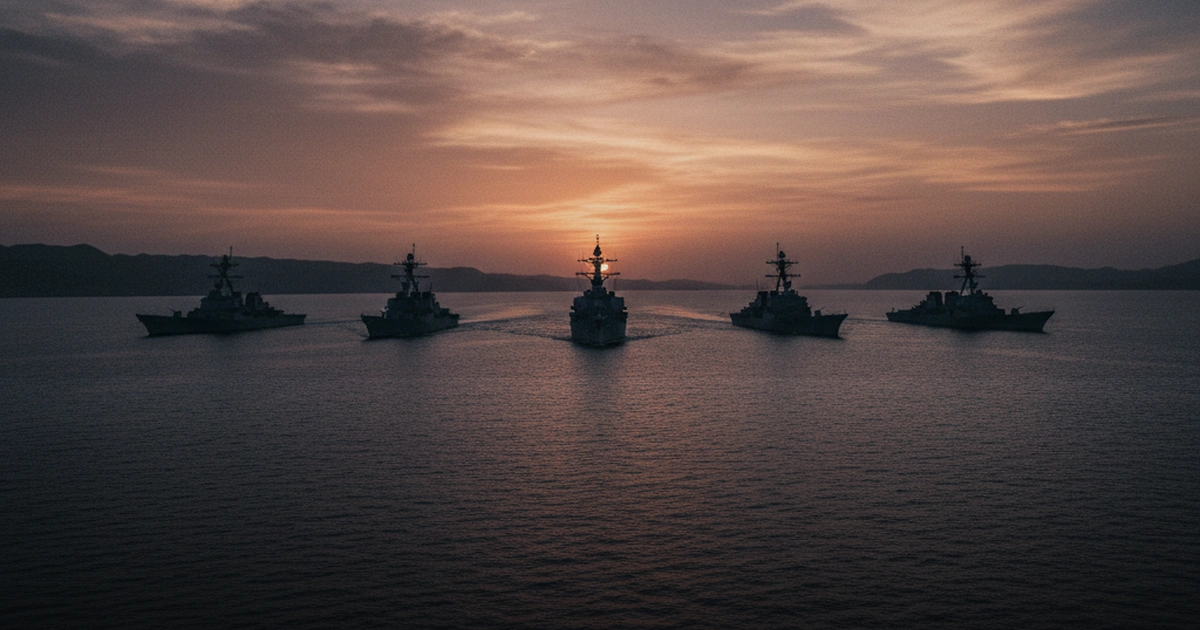
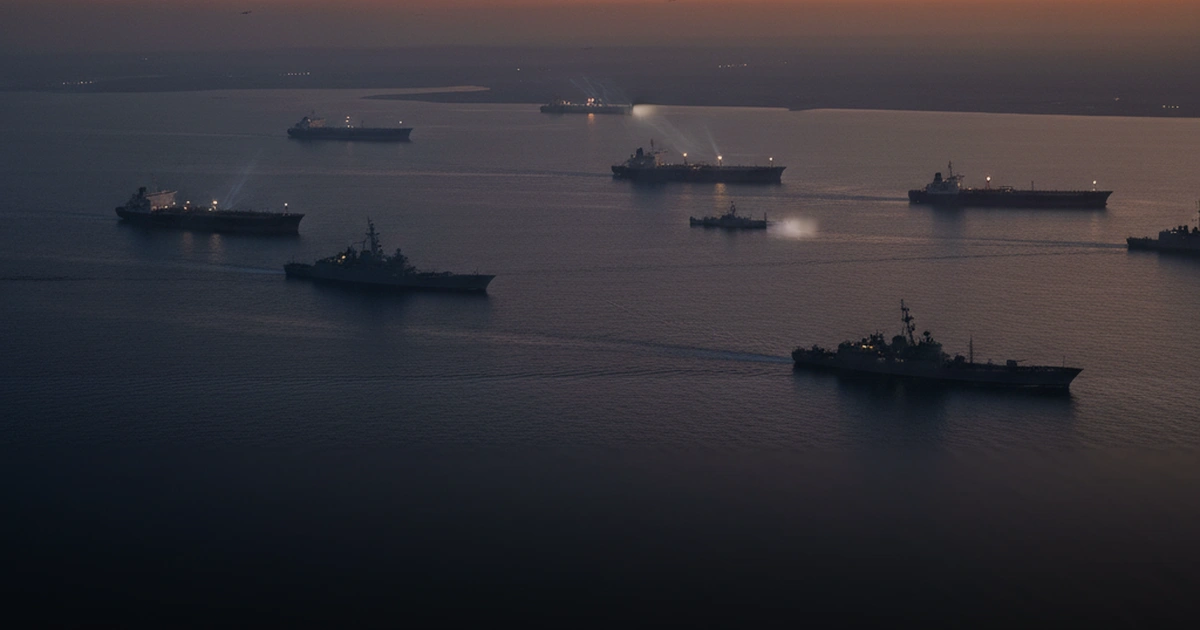
- US destroyers began clearing Iranian sea mines from the Strait of Hormuz while talks continued
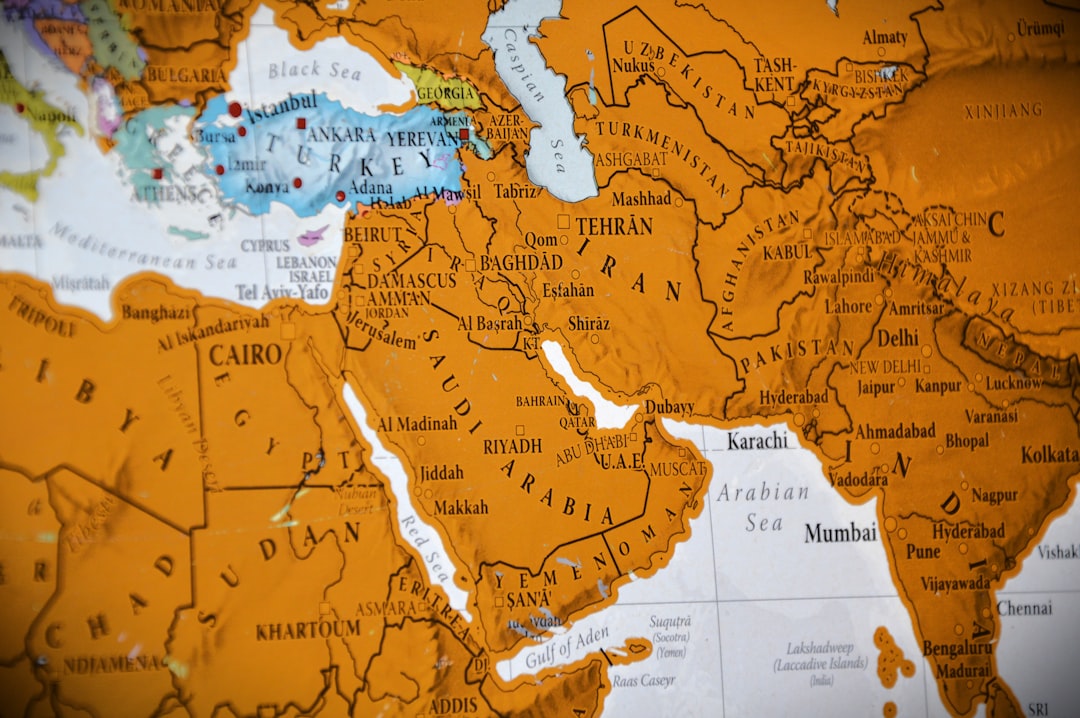
Vice President JD Vance and Iranian Parliament Speaker Mohammad Bagher Ghalibaf entered their eighth consecutive hour of negotiations in Islamabad on April 11, marking the highest-level direct US-Iran talks in decades.
The marathon session began as two US Navy destroyers transited the Strait of Hormuz to begin clearing Iranian sea mines, creating a parallel track of military de-escalation alongside the diplomatic negotiations.
The Marathon Session
What’s keeping them in the room for eight hours? Iran opened with a $6 billion demand.
Tehran’s negotiating position centers on immediate sanctions relief worth approximately $6 billion, focused on unfreezing Iranian assets held in foreign banks. The figure matches Iran’s pre-war demands for releasing American prisoners, suggesting Tehran views the current talks as an extension of previous prisoner exchange negotiations.
Ghalibaf, who serves as Speaker of Iran’s Parliament and previously ran Tehran’s municipal government, represents the Islamic Republic’s pragmatic wing. His presence signals Iran’s seriousness about reaching a deal, but also its intention to extract maximum concessions.
The talks occur under Pakistani mediation, with Prime Minister Shehbaz Sharif personally hosting both delegations. Pakistan deployed fighter jets to Saudi Arabia on the same day, hedging against the talks’ failure by strengthening its Gulf partnerships.
Tehran’s Opening Bid
Iran’s Deputy Foreign Minister claimed Tehran holds “the upper hand” in the negotiations, pointing to continued disruption of global shipping through the Strait of Hormuz despite the ceasefire.
However, Iranian state media acknowledged the economic pressure on Tehran, with the Central Bank of Iran warning that continued sanctions could force a 20% devaluation of the rial by year-end. This presents Iran with an urgent need for sanctions relief despite public claims of strength.
The timing reveals Iran’s calculation. While US destroyers work to clear Iranian mines from shipping lanes, Iran maintains its leverage through the threat of renewed mining operations. The Islamic Republic can replant mines faster than the US can clear them.
Iran’s $6 billion demand represents roughly 15% of the country’s pre-sanctions oil export revenue. Before 2018, Iran earned approximately from oil exports. The current demand would restore a fraction of that economic capacity while allowing Tehran to claim victory in domestic propaganda.
Competing Analysis
Middle East analysts remain divided on the talks’ prospects. While Iranian officials project confidence, regional experts note that Iran’s negotiating position reflects economic desperation masked as diplomatic strength.
The mine-clearing operation provides both opportunity and deadline pressure. Once US destroyers finish clearing the strait, Iran loses its primary leverage tool. But if talks collapse before clearing operations complete, Iran can easily re-mine the shipping lanes within hours.
The 48-Hour Window
Both sides face narrowing windows for agreement. The ceasefire, now in its 44th day, depends on continued progress toward a comprehensive deal. Neither Washington nor Tehran can afford to appear weak to domestic audiences.
For Vance, failure in Islamabad would hand Trump’s political opponents ammunition about the administration’s foreign policy competence. For Ghalibaf, returning to Tehran empty-handed would strengthen hardliners who opposed direct negotiations from the start.
A ceasefire that depends on changing hands isn’t a peace agreement. It’s a very expensive timeout.