US Launches First Naval Blockade Since Cuba 1962
- CENTCOM confirms live blockade of Iranian ports, marking first US naval blockade since Cuba in 1962
- Trump ordered Strait of Hormuz closure after US-Iran peace talks collapsed in Islamabad
- Blockade targets ships entering or exiting Iranian ports, including vessels that paid Iran’s transit tolls
The United States launched its first naval blockade in 64 years, with CENTCOM confirming active operations to block ships entering or exiting Iranian ports. The blockade began hours after President Trump announced the Strait of Hormuz closure following failed peace negotiations in Pakistan.
The Blockade Goes Live
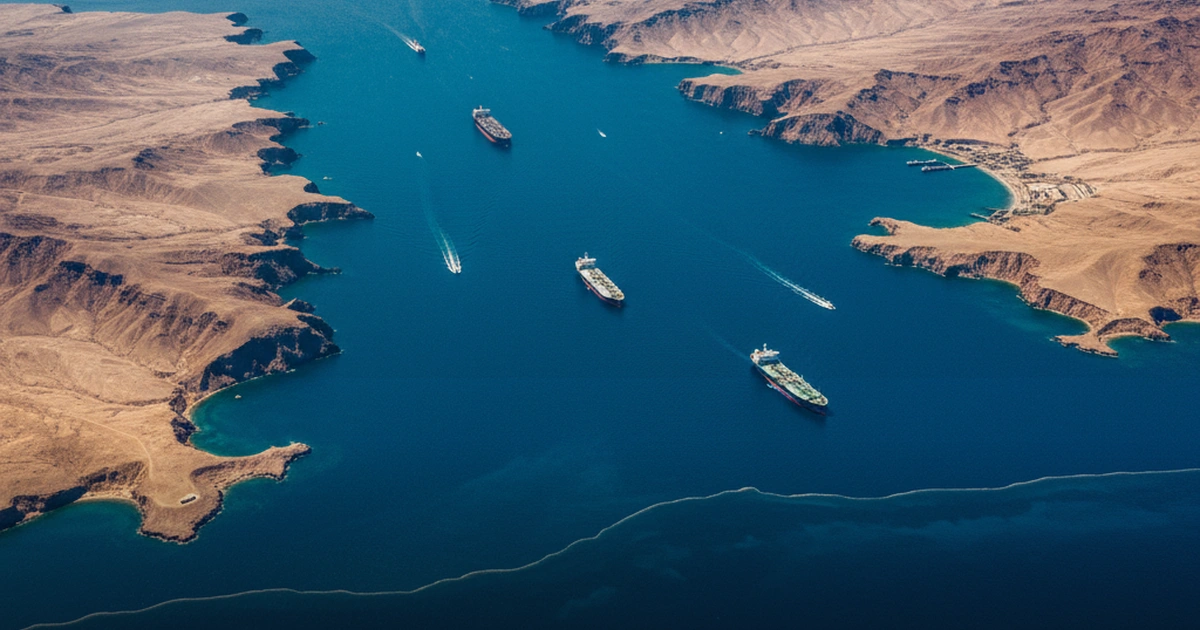
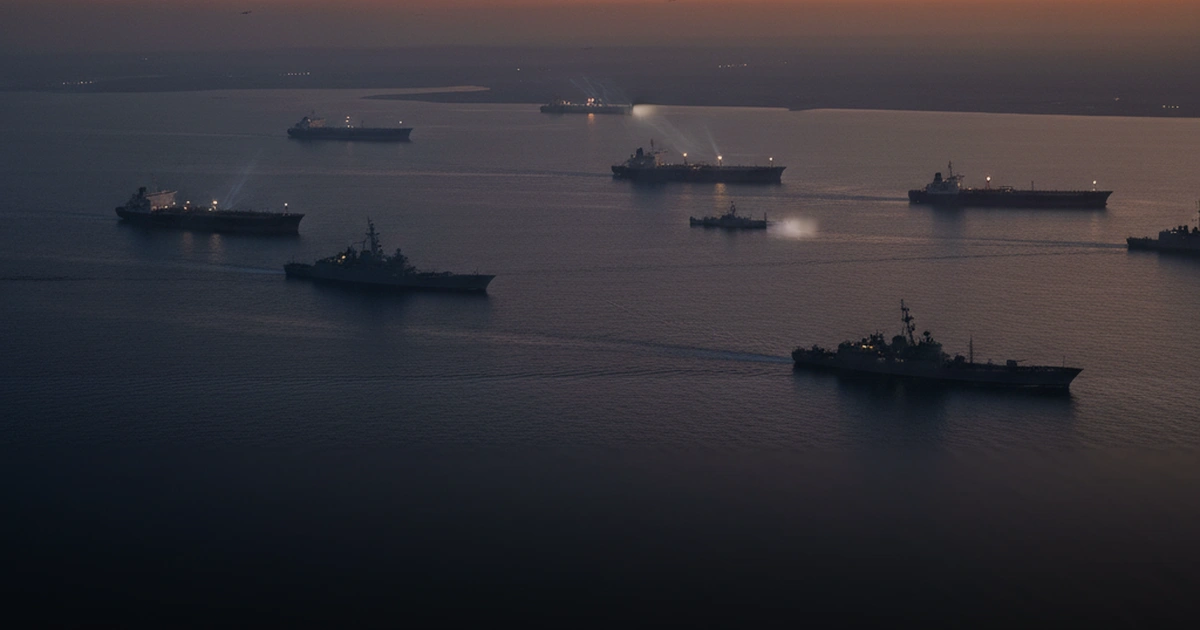
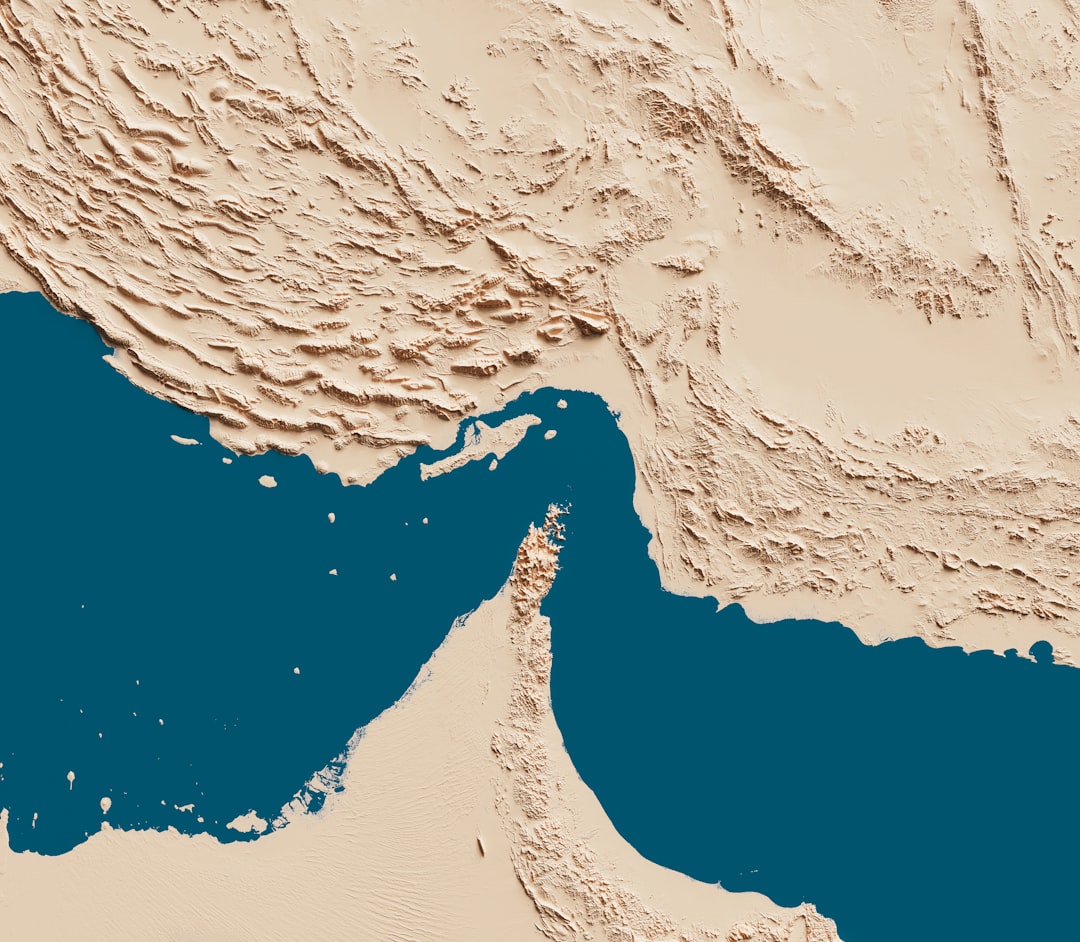
CENTCOM’s official statement confirmed US naval forces are intercepting commercial vessels in the Persian Gulf. The military command specified the blockade covers “ships entering or exiting Iranian ports,” expanding beyond the Strait of Hormuz chokepoint to Iran’s entire coastline.
Trump announced the decision on Truth Social, declaring Iran would be “blown to hell” economically. The blockade includes vessels that previously paid tolls to Iran for Strait of Hormuz transit, according to CBS News reporting.
The last US naval blockade occurred during the Cuban Missile Crisis in October 1962. That operation lasted 13 days. This marks the first time since World War II that the US has blocked a major oil-producing nation’s ports.
Iran’s Response
Iran condemned the blockade as an “act of economic warfare” and vowed to defend its territorial waters, according to Press TV’s reporting. Foreign Ministry spokesman Nasser Kanani called the action a violation of international maritime law and said Iran reserved the right to respond militarily.
Iran’s Revolutionary Guard Corps issued a statement declaring the blockade “illegal under international law” and warned commercial vessels to avoid the area. The statement said Iran would protect its sovereign waters “by all necessary means.”
Regional powers expressed concern over the escalation. Qatar’s foreign ministry called for immediate de-escalation, while the UAE urged both sides to return to diplomatic dialogue. China’s foreign ministry spokesperson described the blockade as “counterproductive” and called for restraint from all parties.
Why Talks Failed
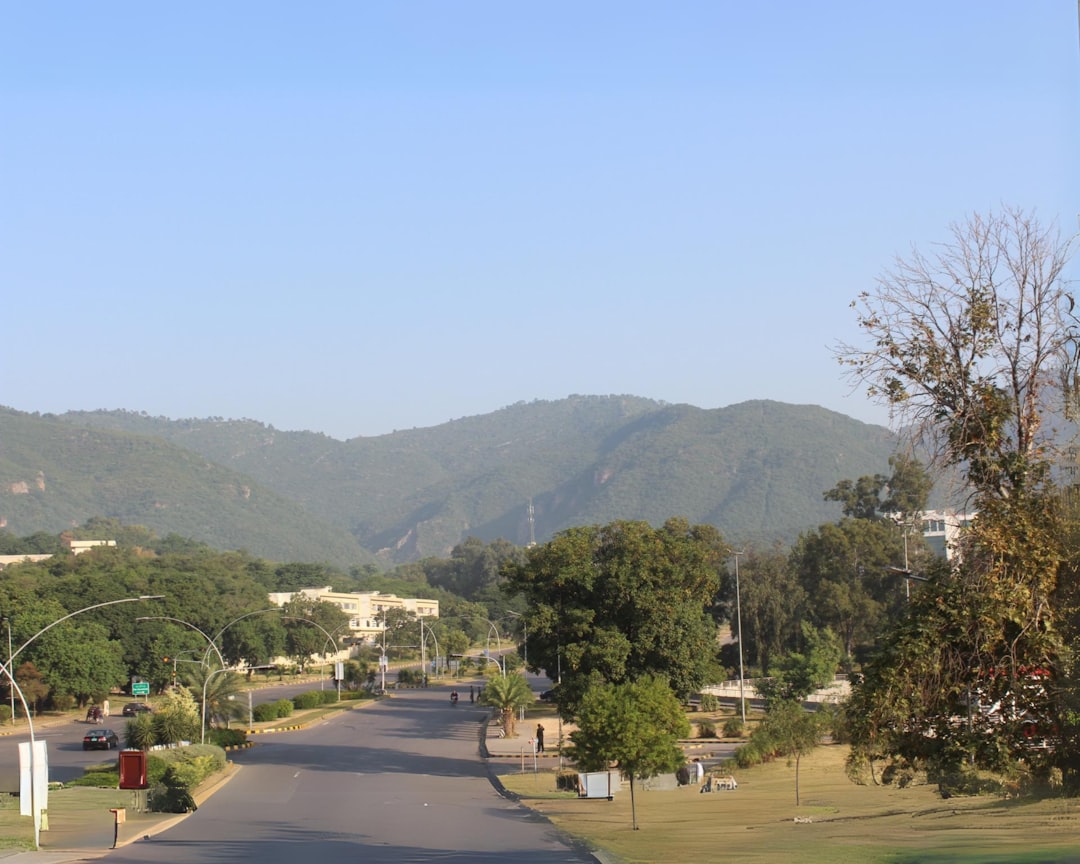
The blockade followed the collapse of US-Iran peace talks in Islamabad, Pakistan’s capital. NPR reported negotiations ended without agreement after three days of discussions.
CNBC confirmed Trump’s announcement came directly after the diplomatic failure. The talks represented the first direct US-Iran negotiations since the current conflict began six weeks ago.
Iran had demanded an end to US strikes on its territory and removal of sanctions as preconditions for any deal. The US refused both conditions, according to Politico’s reporting. Pakistan served as mediator but could not bridge the gap between positions.
The 48-Hour Countdown
The blockade creates immediate pressure on global oil markets and Iran’s economy. Iran exports 2.1 million barrels daily through its southern ports, representing 2% of global supply. Those shipments stopped at midnight Eastern Time.
Al Jazeera reported Trump’s “blown to hell” comment referred specifically to Iran’s economic situation under blockade conditions. The Strait of Hormuz normally carries 21% of global petroleum liquids.
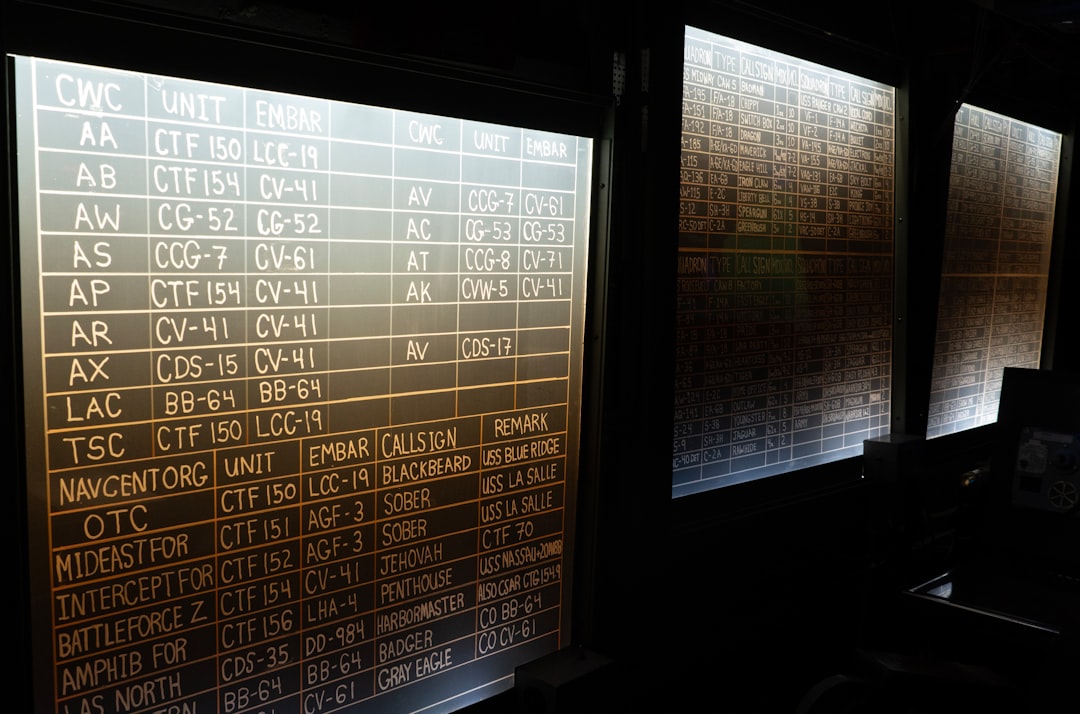
The Navy has 48 hours to establish full blockade coverage across Iran’s 1,500-mile coastline. Early intercepted vessels will determine whether Iran attempts to break the blockade militarily or accepts economic isolation.