US Blockade Begins as Iran Ships Pass Through Hormuz
- US naval blockade of Iranian ports began with warships positioned in the Strait of Hormuz to interdict Iran-linked vessels
- Tankers passed through the strait on the first day of blockade operations, according to shipping data
- Pakistan proposed new US-Iran talks after previous negotiations in Islamabad failed to extend the ceasefire
The US military blockade of Iranian ports took effect April 13, marking a dramatic escalation 46 days into the conflict. Yet shipping data shows tankers continued crossing the Strait of Hormuz on the blockade’s opening day, testing the enforcement of Trump’s interdiction order.
The blockade follows failed US-Iran talks in Pakistan that were meant to extend a fragile ceasefire. Trump had threatened to sink Iranian ships that challenge the naval cordon, but the first day revealed the complexity of enforcing such a sweeping maritime operation.
Ships Cross Despite Blockade
The US positioned warships in the region to enforce the blockade, targeting any Iran-linked vessels attempting to enter or exit Iranian ports. The operation covers the narrow Strait of Hormuz, through which roughly 20% of global oil passes daily.
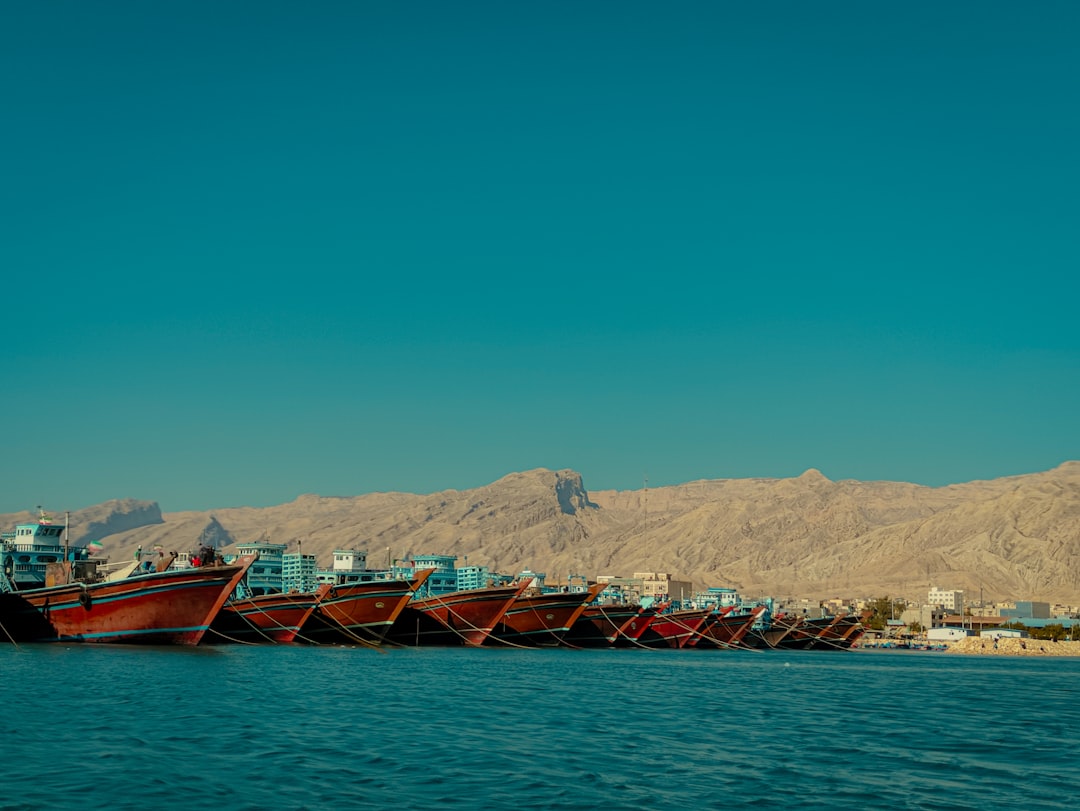
But shipping data showed tankers passing through the waterway despite the interdiction order. The vessels’ flags, cargo, and destinations remain unclear from initial reports, raising questions about which ships the Navy will actually stop.
Oil prices jumped initially but gave back gains as markets assessed the blockade’s immediate impact. The muted price response suggests traders are waiting to see how aggressively the US enforces the cordon.
China called the blockade “dangerous and irresponsible,” while the UK said it would not join the operation. That leaves the US largely alone in enforcing what amounts to a naval siege of Iran’s coast.
Pakistan Pushes New Talks
Pakistani officials proposed a second round of what they’re calling the “Islamabad Process” after the initial talks collapsed. The first round, which brought US and Iranian delegations to Pakistan’s capital, ended without extending the ceasefire that expires in days.
Sources suggest US-Iran teams could return to Islamabad later this week, though no formal announcement has been made. The blockade appears designed to pressure Iran back to the table with a weakened negotiating position.
Vice President Vance said “a lot of progress” was made toward what he called a “grand deal,” but added that “the ball is in Iran’s court.” He also accused Tehran of “economic terrorism” as the blockade took effect.
Reports suggest the US proposed a 20-year halt to Iranian uranium enrichment, softening earlier demands for a permanent end to the program. Iran has not publicly responded to the reported offer.
The Enforcement Gap
The blockade’s first day exposed the gap between Trump’s threats and operational reality. Trump said the US would “eliminate” any Iranian ships defying the cordon, but tankers still crossed the strait.
The distinction matters because naval blockades are acts of war under international law. If the US stops neutral-flagged ships or vessels from third countries, it risks expanding the conflict beyond Iran. If it only targets Iranian-flagged vessels, the blockade becomes largely symbolic.
Military experts question whether Trump has “read the psychology of Iranians well,” noting that pressure campaigns often backfire with Tehran. Iran has historically responded to coercion by escalating rather than backing down.
The blockade also creates new risks. Any confrontation between US and Iranian vessels could reignite the broader conflict just as diplomatic efforts show signs of life.
Tankers crossed the Strait of Hormuz. The blockade held its fire.