US Blockade Turns Back Six Ships as Iran Vessels Navigate Strait Loophole
- US military turned back six ships in the first 24 hours of the Iranian port blockade, according to NBC News
- Over 20 ships passed through the Strait of Hormuz despite the blockade, exploiting legal gaps in enforcement
- Trump hinted Iran talks could resume “over the next two days” as the blockade continues
The US naval blockade of Iranian ports intercepted six vessels in its first day of operation, but dozens of ships continue navigating the Strait of Hormuz by exploiting legal loopholes in the enforcement mechanism.
The blockade, which Trump declared “fully implemented” on Monday, represents the most aggressive economic pressure on Iran since the conflict began 47 days ago. Yet shipping data reveals the enforcement faces immediate challenges as vessels find ways around the restrictions.
The Blockade Numbers
US military forces turned back six ships attempting to leave Iranian ports in the blockade’s opening 24 hours. The Pentagon characterized the operation as targeting vessels departing Iranian facilities, not general transit through the strait.
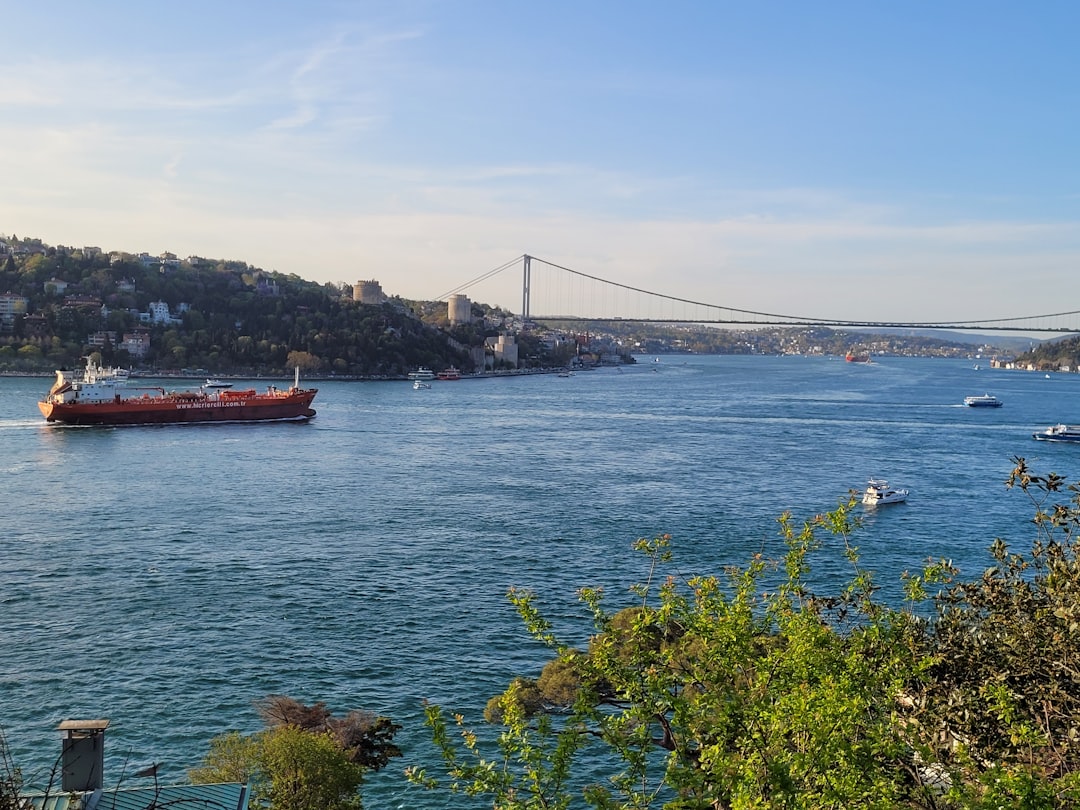
But over 20 ships crossed the Strait of Hormuz on the same day, including the Indian LPG vessel Jag Vikram, which docked at Kandla as the first Indian ship to complete the transit since the ceasefire began.
The discrepancy highlights a critical distinction in the blockade’s scope. US forces are intercepting ships leaving Iranian ports specifically, not blocking all maritime traffic through the waterway. This creates a legal and operational gap that allows vessels not directly connected to Iranian trade to continue transit.
Normal traffic through the strait averages 90 ships per day. The current 20-30 daily transits represent a 70% reduction but demonstrate the blockade’s selective enforcement rather than total closure.
The Diplomatic Track
Trump signaled new Iran talks could begin “over the next two days” even as the blockade continues. The president framed the pressure campaign as creating leverage for negotiations rather than permanent economic warfare.
Pakistan proposed hosting a second round of US-Iran talks, building on the initial ceasefire negotiations. Pakistani officials positioned their country as a neutral venue for continued dialogue.
Meanwhile, Israel and Lebanon held their first direct talks in over 30 years in Washington, creating a separate diplomatic track. The Lebanese-Israeli negotiations occurred simultaneously with the Iran pressure campaign, suggesting coordinated US strategy across multiple regional conflicts.
China condemned the blockade as “dangerous and irresponsible,” with Beijing specifically criticizing the impact on international shipping lanes. The Chinese position reflects broader concerns about US unilateral enforcement in critical waterways.
The Economic Pressure
Treasury Secretary Bessent told the BBC the economic pain from the blockade was “worth long-term security from Iran.” His comments came as the IMF cut global growth projections citing the Iran conflict’s economic fallout.
Oil prices showed mixed signals despite the blockade. Some analysts noted prices might be starting to decline for worrisome reasons, suggesting markets expect either quick resolution or alternative supply arrangements.
The blockade specifically targets Iranian oil exports, which provide crucial revenue for Tehran’s war effort. But the legal gaps allowing non-Iranian vessels to transit mean the strait remains partially operational for global commerce.
That is exactly the balance Trump appears to be striking. Maximum pressure on Iran while avoiding complete closure that would trigger broader economic crisis.