Trump Extends Iran Ceasefire as Strait of Hormuz Attacks Continue
- Trump extended the U.S.-Iran ceasefire indefinitely while maintaining the naval blockade on Iranian ports as peace talks in Pakistan stalled
- Three ships were attacked by gunfire in the Strait of Hormuz hours after the ceasefire extension, with crews reported safe
- Iran set preconditions for talks, demanding the U.S. lift its blockade before negotiations can proceed
President Trump extended the ceasefire with Iran indefinitely Monday as scheduled peace talks in Pakistan collapsed and three vessels came under attack in the Strait of Hormuz. The extension came hours before the original ceasefire was set to expire, with Trump citing Iran’s “seriously fractured” government as justification for more time.
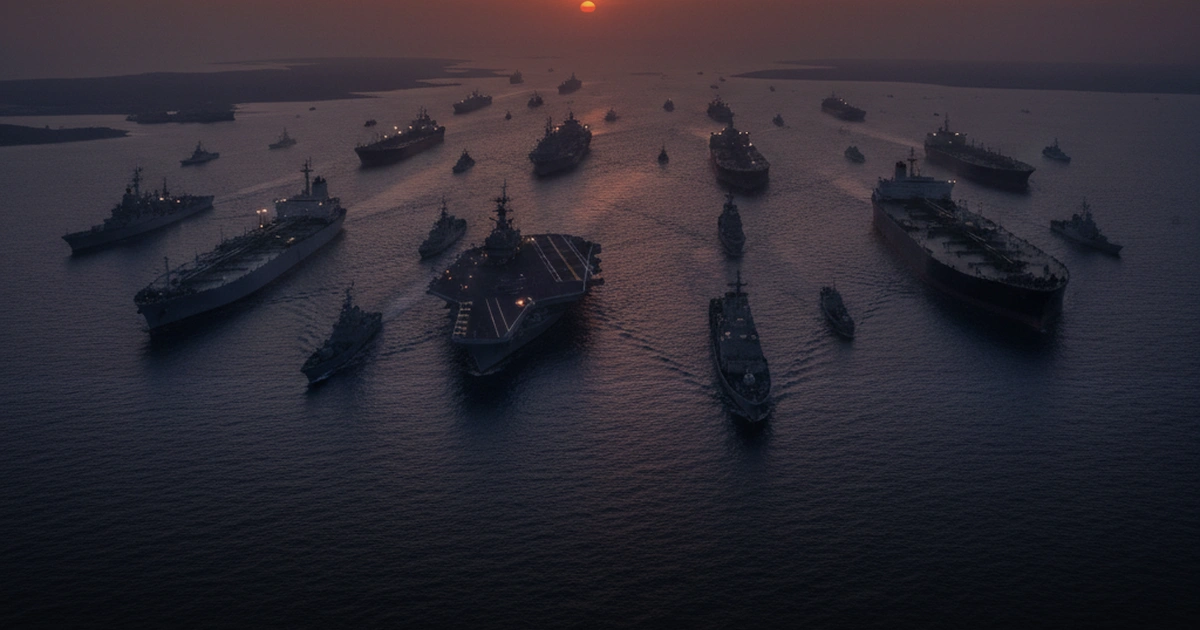
The ceasefire extension maintains the U.S. naval blockade on Iranian ports while suspending active combat operations. Iran responded by setting preconditions for any future negotiations, demanding the U.S. lift its blockade before talks can proceed.
The Ceasefire Extension
Trump announced the extension after Pakistan requested more time to broker negotiations between Washington and Tehran. Pakistan had been positioning itself as the primary mediator, with talks scheduled to begin in Islamabad.
The original ceasefire was set to expire Wednesday. Trump described Iran’s government as “seriously fractured” in announcing the extension, suggesting internal divisions were preventing coherent negotiating positions from Tehran.
Iran’s leadership has been split on whether to participate in talks. Sources indicate Tehran will attend negotiations, but Iran’s foreign ministry later demanded the U.S. end its naval blockade as a precondition.
Hormuz Under Fire
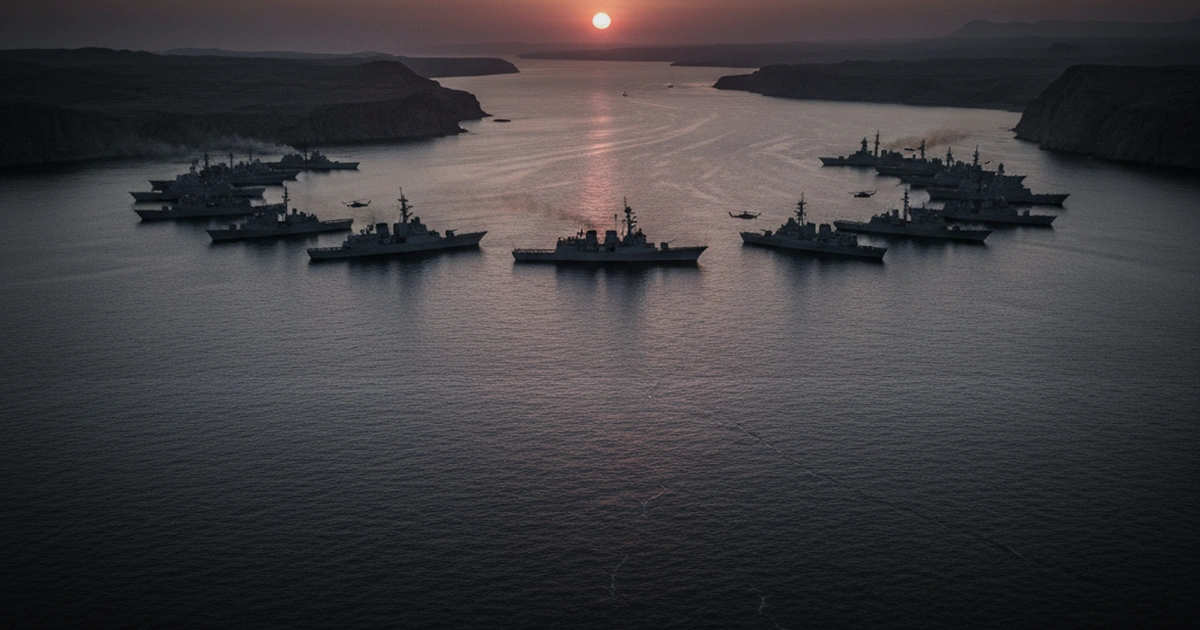
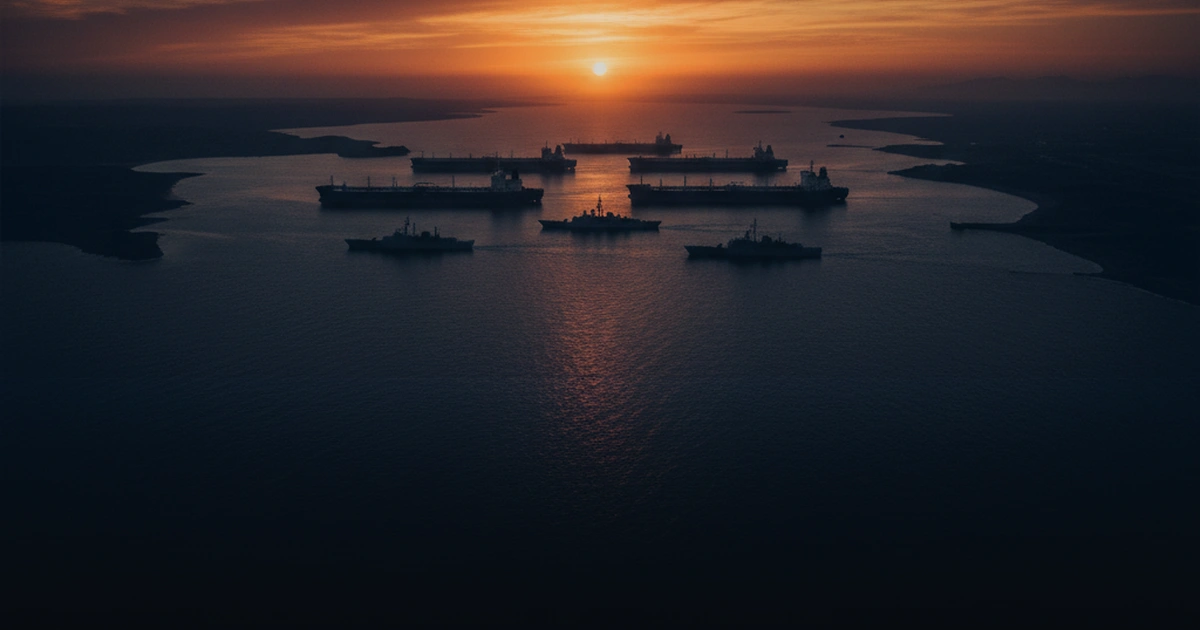
Three vessels were hit by gunfire in the Strait of Hormuz hours after Trump’s ceasefire announcement, with all crews reported safe. The attacks occurred despite the extended ceasefire, highlighting the fragility of the truce.
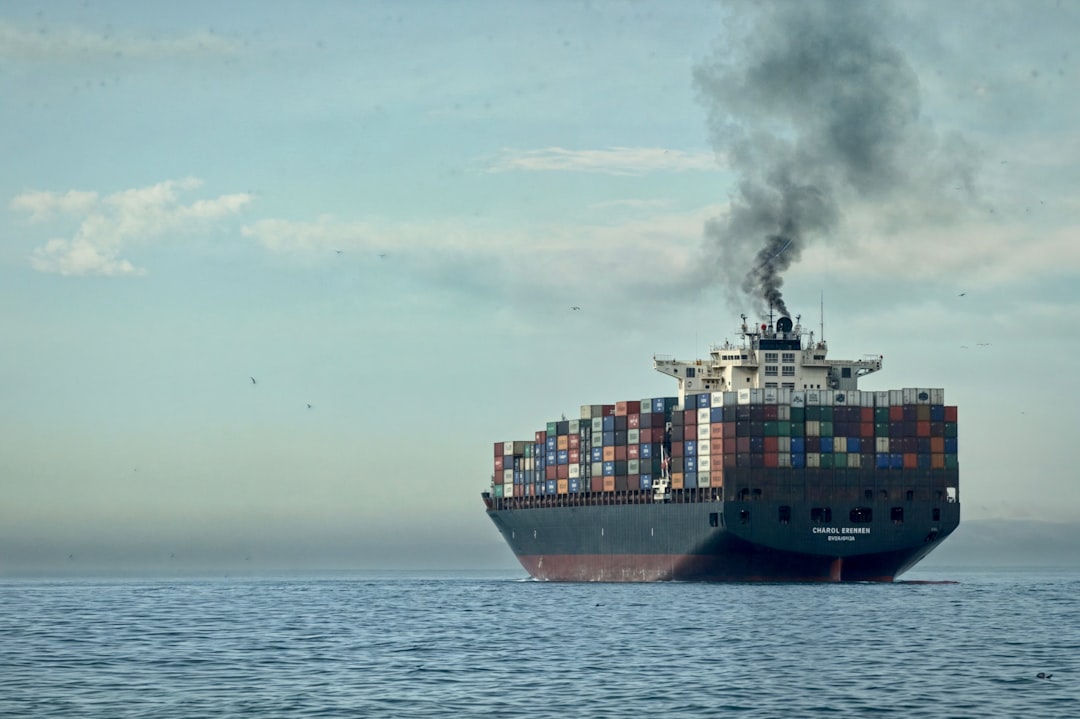
The Pentagon confirmed U.S. forces boarded a sanctioned oil tanker “without incident” in the Indian Ocean, separate from the Hormuz attacks. The boarding was part of ongoing enforcement of sanctions against Iranian oil exports.
Gulf aluminum shipments remain stuck as the Strait of Hormuz blockade puts strain on supply chains. The attacks underscore the economic pressure both sides face as the conflict disrupts global shipping.
The Blockade Calculus
Trump’s decision to maintain the naval blockade while extending the ceasefire creates a paradox. Iran earns roughly $50 billion annually from oil exports, with most shipments transiting the Strait of Hormuz. The U.S. blockade has reduced Iranian oil exports by an estimated 80% since the conflict began.
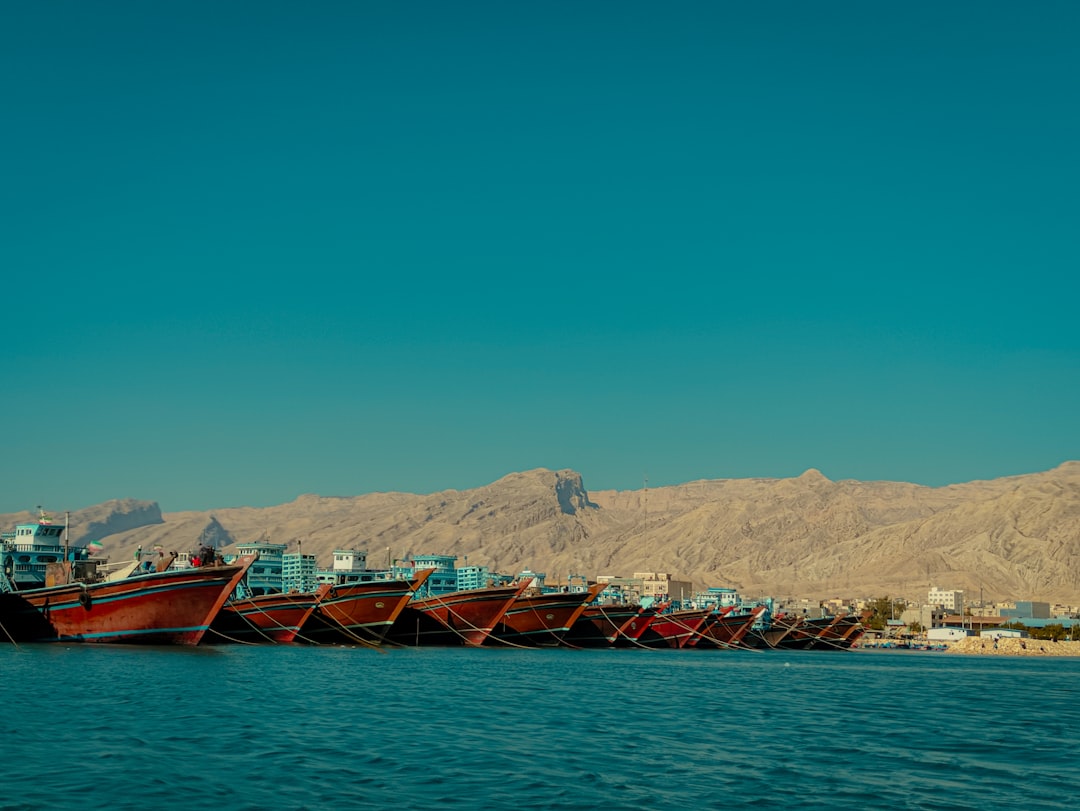
Iran’s strategy of economic endurance pits Tehran’s ability to withstand economic pressure against U.S. determination to maintain sanctions enforcement. The blockade gives Washington leverage but also creates pressure for a resolution.
The extension buys time but doesn’t resolve the fundamental tension. Iran wants the blockade lifted before talks begin. The U.S. views the blockade as leverage to bring Iran to negotiations. Neither side has indicated willingness to move first.
The Hormuz attacks suggest Iranian forces or proxies remain active despite the ceasefire. With three ships hit in a single day, the extended truce faces immediate tests of durability.