Iran Blockade Day One: What Ship Tracking Data Actually Shows
- CENTCOM says no ships made it past its Iran blockade in the first 24 hours and six vessels turned back.
- BBC Verify found four Iran-linked ships transited the Strait of Hormuz; only two confirmed reversals.
- Windward logged two sanctioned tankers reversing course around the enforcement deadline.
The U.S. blockade of Iranian ports began at 10 a.m. ET on April 13, 2026. One day later, U.S. Central Command announced that “no ships made it past the U.S. blockade” and that six merchant vessels “complied with direction from U.S. forces to turn around to re-enter an Iranian port on the Gulf of Oman.” Trump said the operation was a total success.
Independent ship-tracking data partially supports the CENTCOM claim. It also complicates it.
The CENTCOM Claim
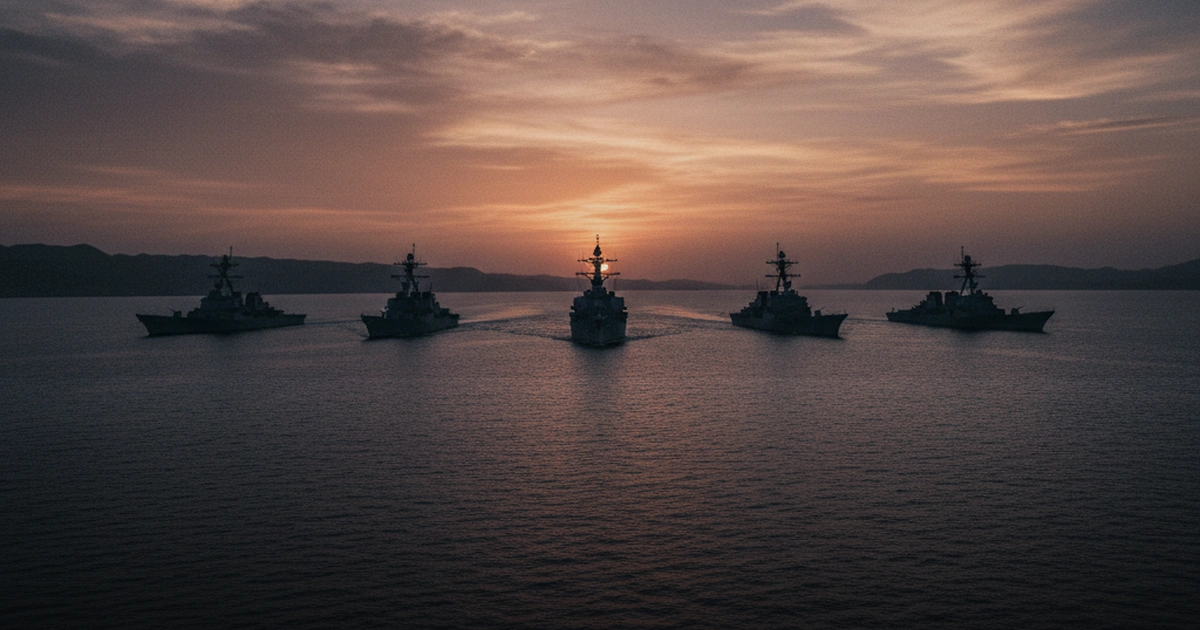
CENTCOM has deployed more than 12 warships, the USS Abraham Lincoln carrier strike group, and 100-plus aircraft to enforce the blockade. BBC reporting confirmed the Lincoln is positioned at the eastern edge of the Gulf of Oman, roughly 200 kilometers south of the Iranian coast, with two guided-missile destroyers in proximity. U.S. warships are staying outside the Persian Gulf to reduce exposure to Iranian missiles and drones. A follow-up CENTCOM post said the amphibious assault ship USS Tripoli (LHA-7), with 3,500 Sailors and Marines and F-35B stealth fighters aboard, is also executing the blockade from the Arabian Sea, and repeated that the operation is “being enforced impartially against vessels of all nations.” CENTCOM says the blockade applies only to vessels entering or leaving Iranian ports and will not impede freedom of navigation through the Strait itself.
Under the San Remo Manual, a naval blockade is lawful if it is declared, effective, impartial, and allows humanitarian passage. Australian National University professor Donald Rothwell argues the U.S., Israel, and Iran are belligerents in an ongoing armed conflict, which permits blockade as a lawful method of warfare. Iran has called the operation “piracy,” a framing that ICRC casework on comparable blockades does not support.
What Independent Tracking Shows
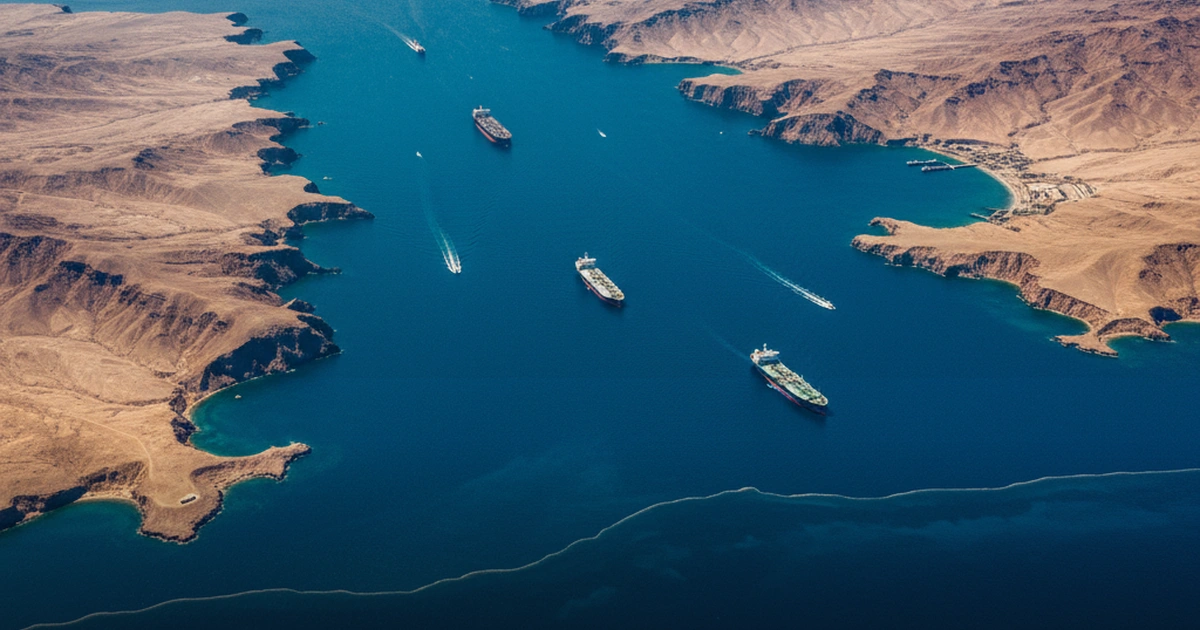
BBC Verify identified four vessels with Iran links that transited the Strait of Hormuz after the blockade took effect. The Rich Starry, a U.S.-sanctioned tanker, reversed course after traveling eastbound from Sharjah. The bulk carrier Christianna turned back after calling at Bandar Imam Khomeini. The sanctioned tanker Elpis possibly transited from Bushehr and is now stationary east of the Strait. The Murlikishan transited overnight. Four additional vessels crossed the Strait with no detected Iran links.
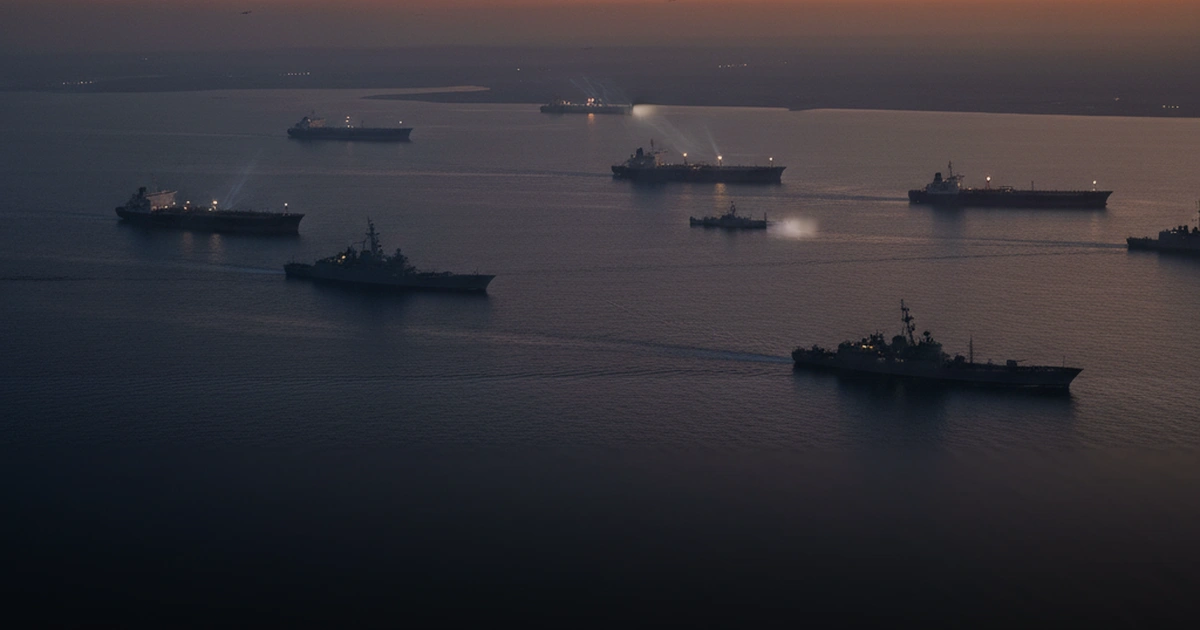
Maritime intelligence firm Windward logged two key turnarounds around the enforcement deadline: an OFAC-sanctioned, falsely flagged tanker reversed at 12:47 UTC, and a second sanctioned, falsely flagged vessel turned around at 14:00 UTC, coinciding with enforcement start. Windward also counts 732 cargo and tanker vessels currently in the Gulf, 91 of them in the “dark fleet” and 20 operating without AIS at all. Of 89 tankers carrying Iranian oil, 57 are not transmitting AIS positions.
That gap matters. Iran normally exports about 2 million barrels per day, and per Windward roughly 97.6 percent of Iranian oil on water is China-bound. The U.S. Energy Information Administration notes that Iran’s only meaningful bypass, the Goreh-Jask pipeline to the Gulf of Oman, handled under 70,000 barrels per day in 2024 and stopped loading after September. There is no quick way around the Strait.
What Comes Next
Blockades rarely show their real effectiveness in the first 24 hours. The 1962 Cuban quarantine produced partial compliance on day one and full compliance only after Soviet political decisions. The 2015 Saudi-led blockade of Yemen interdicted commercial shipping immediately but failed to stop smuggled arms, while driving a humanitarian collapse within weeks. Neither case suggests day-one claims settle anything.
Tactical disruption in the Strait looks real. Two sanctioned tankers did reverse course on the enforcement clock, and The Guardian’s explainer cites experts describing a graduated enforcement posture in which weapons fire is treated as a last resort. The clean “no ships made it past” narrative runs ahead of the verifiable data. AIS spoofing, dark-fleet operations, and the opacity of Iranian port records mean the true first-24-hours passage rate cannot be confirmed from open sources.