Trump Slams Iran Over Strait of Hormuz as Peace Talks Begin
- Trump says Iran is “doing a very poor job” reopening the Strait of Hormuz despite ceasefire
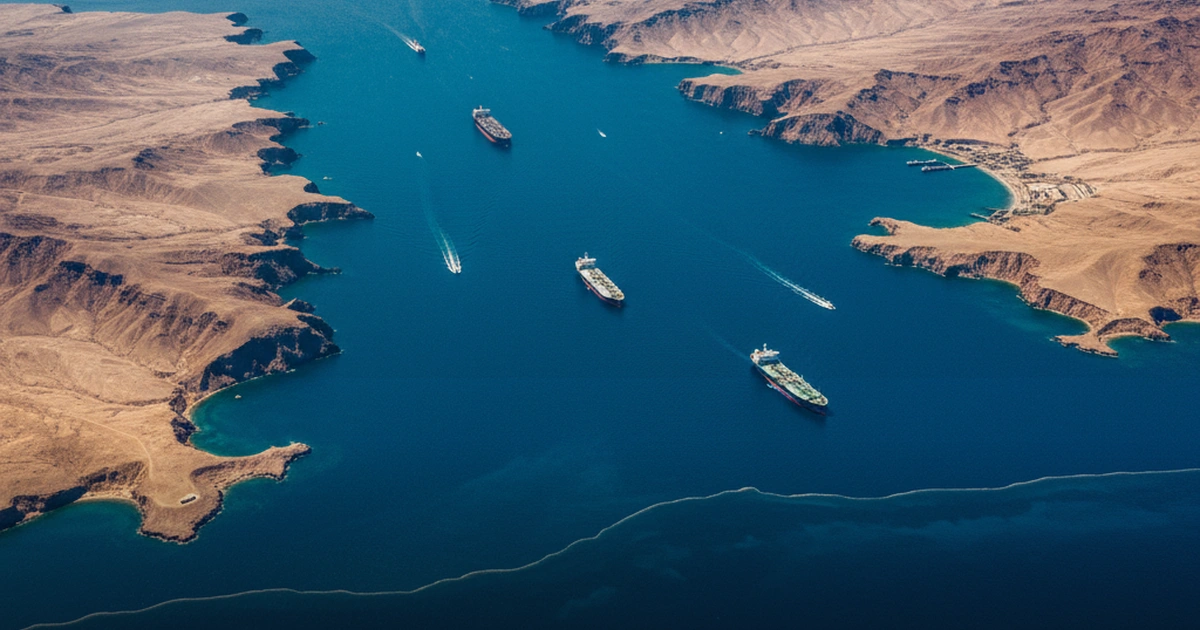
- Shipping traffic through the strait remains at a standstill 43 days into the conflict
- Vice President Vance leads US delegation in face-to-face talks with Iranian officials in Pakistan
President Trump criticized Iran’s efforts to reopen the Strait of Hormuz on April 10 as US and Iranian officials began face-to-face ceasefire talks in Islamabad, Pakistan.
Trump said Iran is “doing a very poor job” in reopening the Strait of Hormuz, the critical waterway that carries 20% of global oil shipments. The comments came as Vice President JD Vance arrived in Pakistan to lead American negotiators in the first direct talks between the two countries since the conflict began 43 days ago.
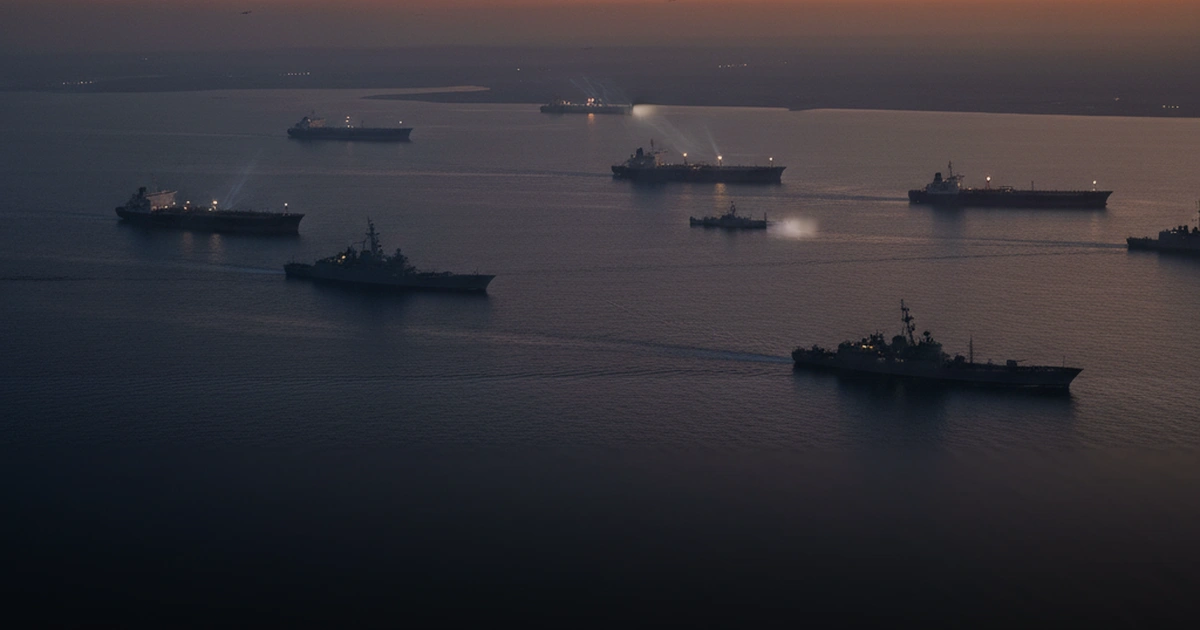
Shipping traffic through the strait is “effectively at a standstill despite Iran ceasefire,” according to maritime tracking data. The blockade has sent oil prices soaring and disrupted global supply chains.
The Shipping Standstill
The Strait of Hormuz remains closed to commercial traffic despite Iran’s March ceasefire agreement with the United States. Reports indicate Iran “can’t find, remove its mines in Strait of Hormuz, reopen waterway,” according to US officials.
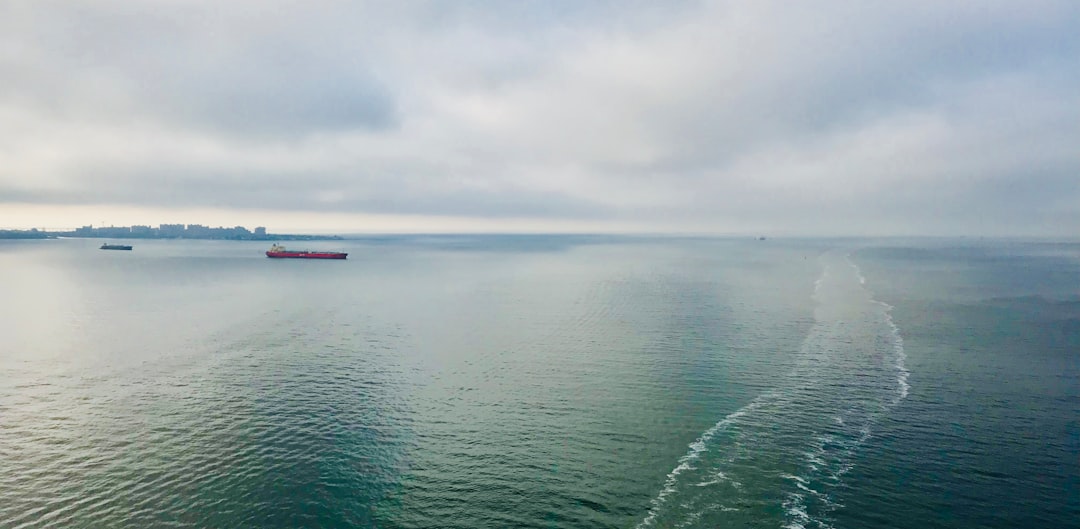
The shipping crisis has become a “point of serious disagreement” in the Islamabad talks, with US officials demanding immediate reopening of the waterway.
Trump warned Iran against “charging tolls to go through Strait of Hormuz,” suggesting Tehran may be considering fees for passage rather than full reopening. The prospect of Iranian toll collection would create a new source of revenue for Tehran while maintaining leverage over global energy markets.
The Pakistan Talks
Vance warned Iran not to “play” the US as he headed to negotiations in Pakistan, setting a confrontational tone for the diplomatic talks. The vice president leads a US delegation meeting with Iranian officials in what represents the highest-level direct contact between Washington and Tehran in years.
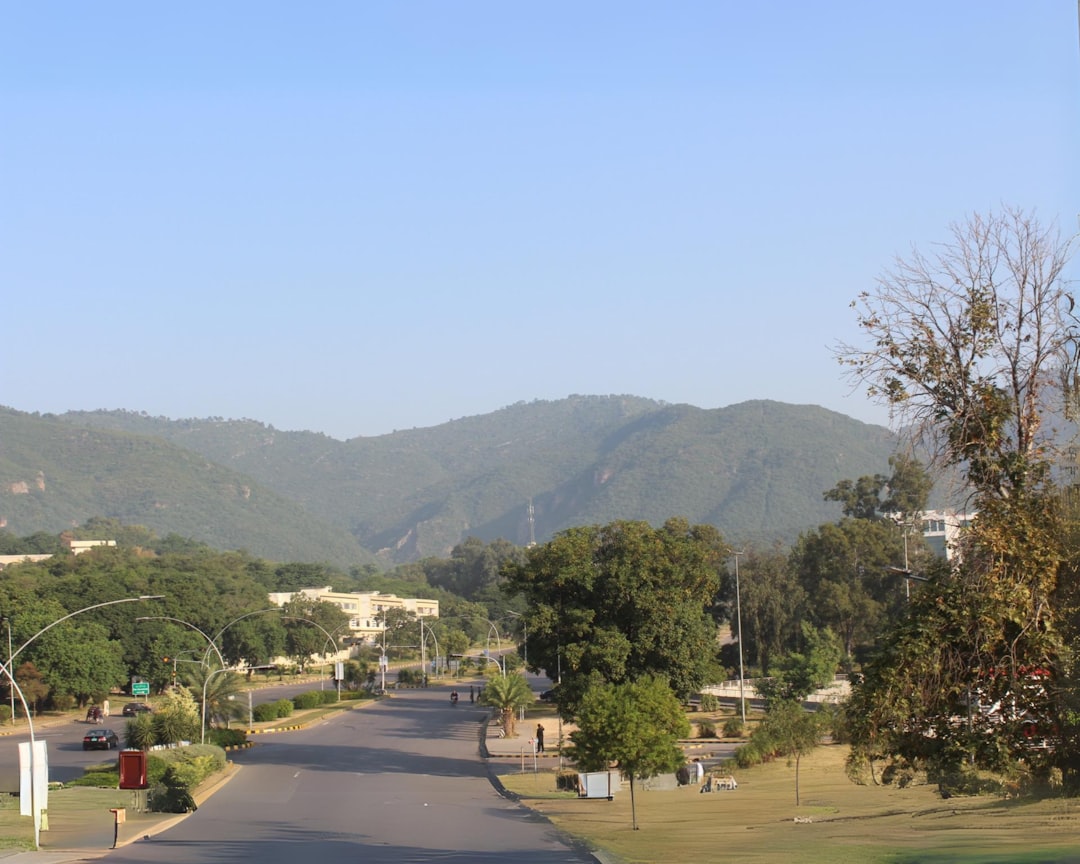
Iran set “preconditions” ahead of the ceasefire talks, demanding that Lebanon be included in any agreement and calling for the release of frozen Iranian assets. Iran demands Lebanon be included in cease-fire, release Iranian assets, according to state media reports.
The talks face multiple sticking points, including the strait reopening, sanctions relief, nuclear program restrictions, regional proxy forces, and Israel’s ongoing strikes in Lebanon. Israeli strikes in Lebanon are a “grave violation” of ceasefire , Iran’s foreign minister told the BBC.
The 48-Hour Window
Despite the diplomatic tensions, Trump remains “optimistic” about Iran peace deal even as ceasefire appears strained. The president said it “makes no difference” to him if Iran and the US reach a deal, projecting confidence while maintaining pressure on Tehran.
Iran enters peace talks “emboldened but wounded, and wary of Trump” after 40 days of conflict that cost Tehran significant military assets while demonstrating its ability to disrupt global commerce.
The shipping crisis has already forced airlines to resume flights to Israel as regional tensions ease slightly. But with the strait still closed and talks just beginning, the economic damage continues to mount daily.
The next 48 hours will determine whether Iran can demonstrate good faith by reopening the waterway or if Trump’s criticism signals a return to military pressure.