Pakistan Iran Peace Talks Begin as Gaza Strikes Continue
- Trump dispatched envoys Witkoff and Kushner to Pakistan for Iran peace negotiations
- Israel killed 12 Palestinians in Gaza despite extended ceasefires
- Five ships passed through Strait of Hormuz as US blockade enters day 57
Trump sent his son-in-law Jared Kushner and Middle East envoy Steve Witkoff to Pakistan for Iran peace talks. Iran’s Foreign Minister Abbas Araghchi arrived in Pakistan ahead of planned negotiations. Israeli forces killed 12 Palestinians in Gaza despite ceasefire extensions. Only five ships transited the Strait of Hormuz in 24 hours.
Defense Secretary Pete Hegseth called the Iran war “a gift to the world” during a Pentagon briefing. Companies pay millions to reroute through the Panama Canal.
The Pakistan Channel
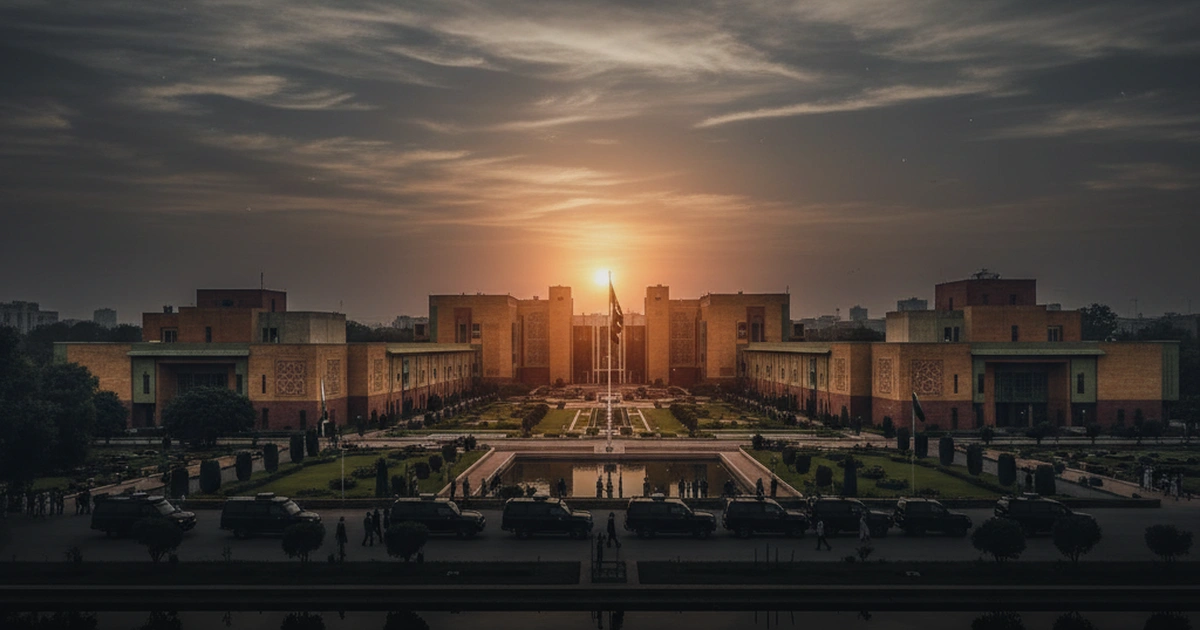
The White House confirmed both envoys were heading to Islamabad as Iran’s top diplomat arrived for separate meetings with Pakistani leaders. Tehran said no direct meeting with US negotiators was planned. Pakistan will serve as an intermediary rather than hosting face-to-face talks.
Iran avoids the domestic backlash of sitting with US officials. Trump escapes criticism for direct negotiations with Tehran. Pakistan gains influence as the crucial middleman in any potential breakthrough.
Kushner authored the Abraham Accords during Trump’s first term. His real estate empire has dealt with Middle Eastern sovereign wealth funds for decades. But his Jewish background and Israeli ties complicate Tehran’s calculus. Iranian hardliners will scrutinize every word through the lens of suspected pro-Israel bias.
Gaza’s Deadly Calm
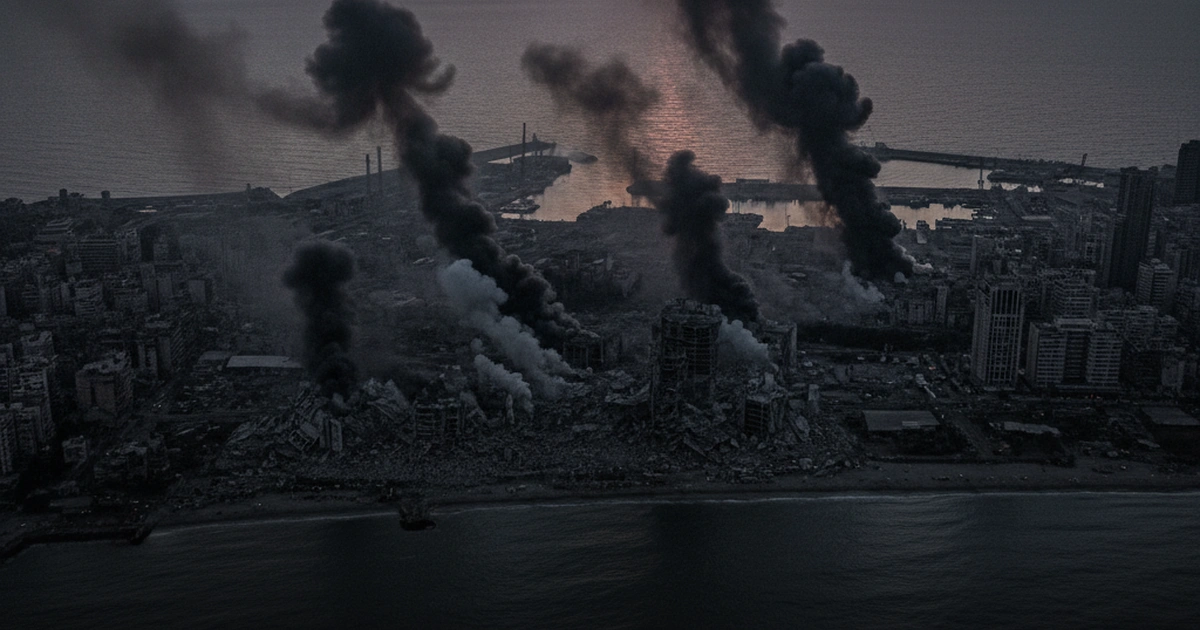
Israeli forces killed at least 12 Palestinians in Gaza on April 24, according to Al Jazeera. The strikes occurred six months into what both sides call a ceasefire.
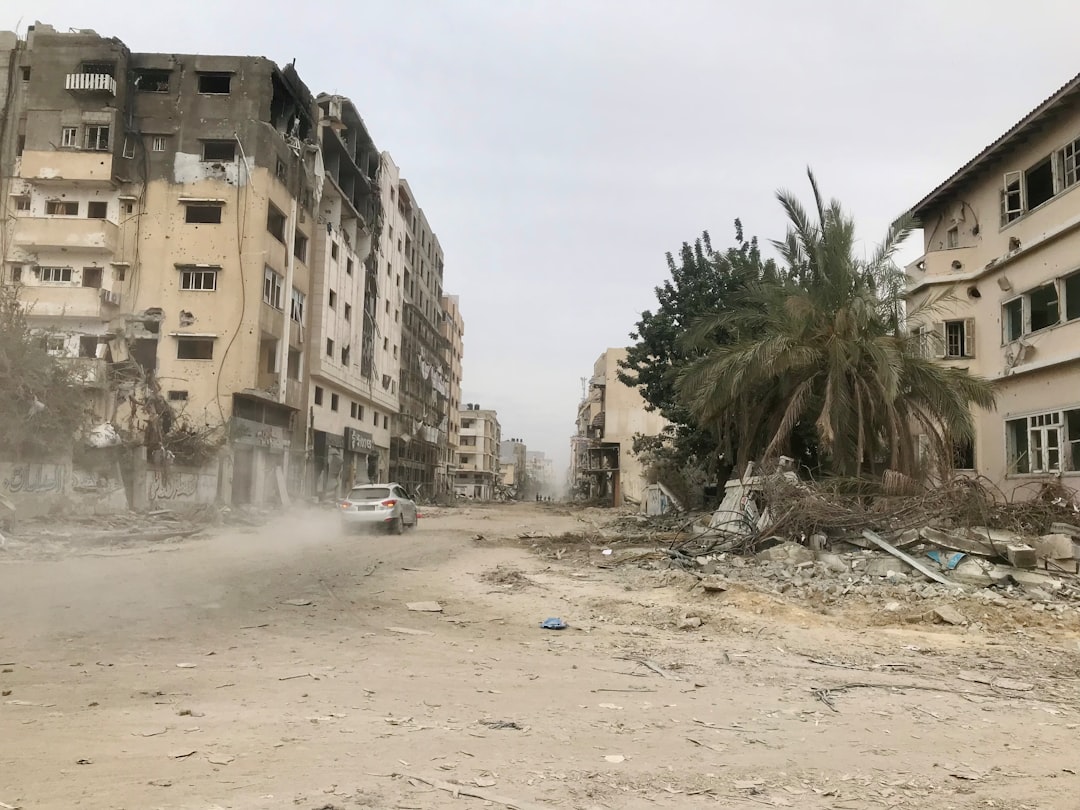
NBC News reported Palestinians continue living in rubble across the territory. The ceasefire has enabled humanitarian aid delivery but prevented reconstruction efforts. Essential infrastructure remains destroyed.
Israeli officials defended the strikes as targeting Hamas militants who violated ceasefire terms. Haaretz reported the US asked Israel to reduce Gaza strikes. Israel agreed but failed to comply with the request.
Hamas stopped firing rockets at Israeli cities. Israel suspended major ground operations and troop movements. But targeted killings continue daily. An 11-year-old Israeli girl died from wounds sustained in an Iranian cluster missile strike last month. Each side counts its casualties while maintaining the fiction of peace.
The Strait Stranglehold
Normal traffic through the strait runs 90 ships daily. Thousands of seafarers remain stranded by the ongoing blockade. Crews face supply shortages and psychological stress as their ships sit motionless in Gulf waters. Insurance companies refuse to cover Hormuz transits without military escorts.
The US ordered Navy forces to “shoot and kill” suspected Iranian mine-laying boats. The rules of engagement remain aggressive despite ceasefire talks in Pakistan. Any Iranian vessel approaching shipping lanes faces immediate military response.
Chevron’s CEO told CBS naval escorts will be required when the strait reopens. The oil industry expects permanent changes to Gulf shipping security. Loading terminals in Saudi Arabia and Kuwait have installed new defense systems.
The AP analyzed how the US protected ships from Iranian threats during the 1980s “Tanker War.” Today’s blockade reverses those historical roles completely. Fox News reported the US economic chokehold on Iran has reached “peak leverage” as collapse risks emerge within the Iranian economy. But France 24 reported the Hormuz standoff chokes 20% of global oil supply.
Iran wants the strait reopened immediately. The US demands Iran’s nuclear program be dismantled first. Neither side can sustain the current stalemate indefinitely without serious domestic consequences.