Israel Strikes 182 in Lebanon as Iran Ceasefire Fractures
- Israel killed 182 people across Lebanon hours after a US-Iran ceasefire was announced
- Iran closed the Strait of Hormuz again, citing the Lebanon strikes as ceasefire violations
- Trump called the Lebanon conflict a “separate skirmish” not covered by the Iran agreement
Israel killed 182 people in coordinated Lebanon strikes hours after Trump announced a US-Iran ceasefire on April 7, 2026. Iran immediately closed the Strait of Hormuz in response, calling the strikes ceasefire violations.
The casualty count made April 7 the deadliest day of the 41-day conflict. Markets whipsawed from euphoria to panic as the ceasefire collapsed within hours. Oil prices plunged below $95 on the ceasefire announcement, then spiked back above $110 after the Strait closure.
The crisis exposes a fatal flaw in Trump’s ceasefire framework. Iran views Lebanon as part of the regional conflict. Israel and the US treat it as separate. This interpretation gap gives both sides legal cover to resume hostilities while claiming the other violated the truce.
The Lebanon Strikes
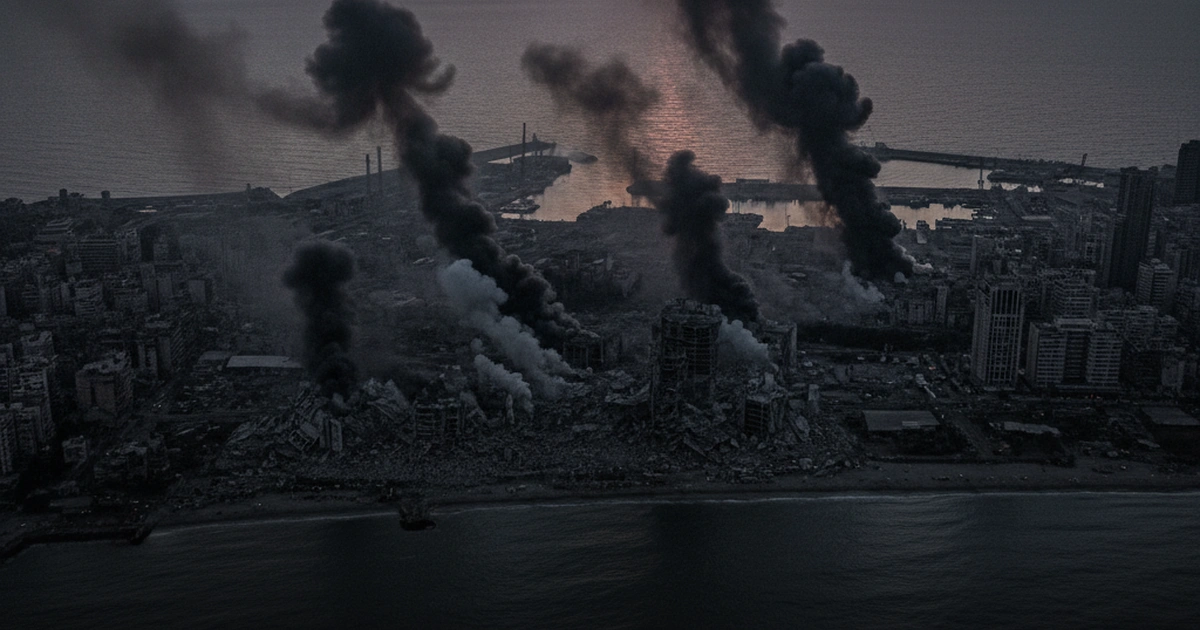
Israeli forces struck central Beirut at 3 AM local time on April 8. The attack hit 47 targets across Lebanon. Israeli jets bombed residential neighborhoods in Beirut, Hezbollah positions in the Bekaa Valley, and weapons storage sites near Tyre.

Lebanon’s Health Ministry reported 182 deaths and 394 wounded by noon. Israeli officials described the operation as self-defense against Hezbollah rocket positions that threatened northern Israel.
Netanyahu launched the assault knowing Iran had just agreed to a ceasefire with the US. This forced Iran to choose between honoring its new commitments to Washington or defending its Lebanese allies.
Netanyahu told reporters Israel remained “ready to return to battle at any moment” with Iran while maintaining complete freedom of action in Lebanon. His bet was that Iran would prioritize the US relationship over Hezbollah.
Iran called his bluff within hours.
The Strait Closure
Iranian naval forces stopped 12 oil tankers attempting to transit the Strait of Hormuz on April 8. Iranian Revolutionary Guard commanders said the blockade would continue until Israeli attacks on Lebanon stopped completely.
The closure halted 4.2 million barrels per day of crude oil shipments. Shipping insurance rates for Strait transits jumped 800% within 24 hours. Major oil companies suspended all tanker movements through the waterway.
Trump called the closure “unacceptable” but maintained that Lebanon never fell under the ceasefire framework. This created a legal standoff. Iran claims the US violated the agreement by allowing Israeli strikes. The US argues Lebanon was excluded from the deal.
The White House now faces an impossible choice. Pressure Israel to halt Lebanon operations and risk losing Netanyahu’s cooperation on Iran. Or support Israel’s Lebanon campaign and watch Iran destroy the ceasefire that was supposed to be Trump’s foreign policy victory.
Neither option delivers the regional stability Trump promised voters.
The Diplomatic Maze
The ceasefire’s collapse reveals design flaws in Trump’s negotiating strategy. Pakistani officials who brokered the talks believed Lebanon would be covered under a regional de-escalation framework. US negotiators never clarified this assumption.
Vice President Vance acknowledged the confusion but insisted the US “never indicated” Lebanon would be included in the agreement. Iranian parliamentary speakers accused Washington of deliberate deception.
The interpretation gap creates perverse incentives. Israel can escalate in Lebanon while claiming ceasefire compliance. Iran can retaliate against Israeli strikes while arguing it’s defending the regional truce. Both sides have legal cover for renewed conflict.
Trump faces his first major test of whether he can manage simultaneous crises in Lebanon, the Strait of Hormuz, and broader US-Iran relations. His initial response suggests he will blame Iran for misunderstanding the deal rather than acknowledge the framework’s ambiguities.
This approach risks destroying the ceasefire entirely. Iran has invested political capital in the agreement with Washington. But Tehran cannot ignore Israeli attacks on its Lebanese allies without appearing weak to regional rivals and domestic hardliners.
The 41-day conflict began with Trump’s promise of swift victory over Iran. It may end with America choosing between its Israeli ally and its new Iranian peace partner. Trump cannot have both.