Trump Accepts Iranian Ceasefire After Civilization Threat Backfires
- Trump agreed to Pakistani-brokered two-week ceasefire with Iran
- Pakistan proposed the deal hours before Trump’s 8 p.m. ET deadline
- Iran’s Supreme National Security Council accepted the ceasefire
- Both sides agreed to suspend hostilities and reopen Strait of Hormuz
President Trump accepted a Pakistani-brokered two-week ceasefire with Iran on April 7, backing down from threats to destroy Iranian infrastructure just hours before his own 8 p.m. ET deadline.
The reversal came after Pakistan proposed the temporary truce as Trump’s ultimatum approached. Earlier that day, Trump had issued apocalyptic warnings about Iranian civilization facing destruction if the Strait of Hormuz remained closed.
Iran’s Supreme National Security Council accepted the ceasefire, marking the first pause in hostilities since the conflict began 40 days ago. The agreement requires Iran to allow safe passage through the Strait of Hormuz. The U.S. suspends strikes on Iranian infrastructure.
Oil markets responded immediately. Prices dropped 12% within hours of the announcement. Global shipping companies began rerouting vessels back toward the critical waterway.
From Ultimatum to Reversal
Trump’s retreat completed a policy reversal within 24 hours. That morning, he had escalated rhetoric to its most extreme levels yet. He threatened to wipe out Iran’s electrical grid by Tuesday night.
The threats drew condemnation from dozens of Congressional Democrats, who called for his removal under the 25th Amendment. MAGA influencers also pushed back, with some saying “it’s time to say no” to further escalation.
Russia and China vetoed a UN resolution aimed at reopening the Strait of Hormuz just hours before Trump’s deadline. The Security Council vote failed 10-5. The two permanent members blocked international pressure on Iran.
The Strait closure threatened global food supply chains. Oil prices approached dangerous levels. Iranians formed human chains at bridges and power plants, preparing for promised U.S. infrastructure strikes.
Trump faced mounting international isolation. The president’s warnings had drawn condemnation from allies who expressed alarm at the escalation. Even traditional partners questioned whether Washington would follow through on destroying civilian infrastructure.
Pakistan’s Diplomatic Intervention
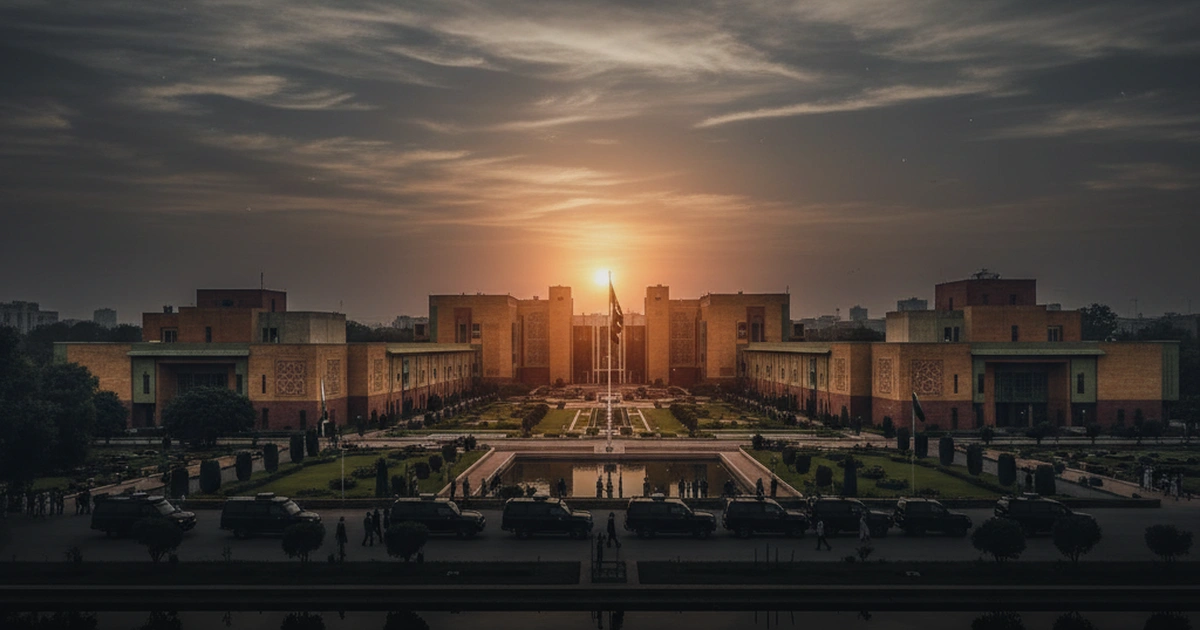
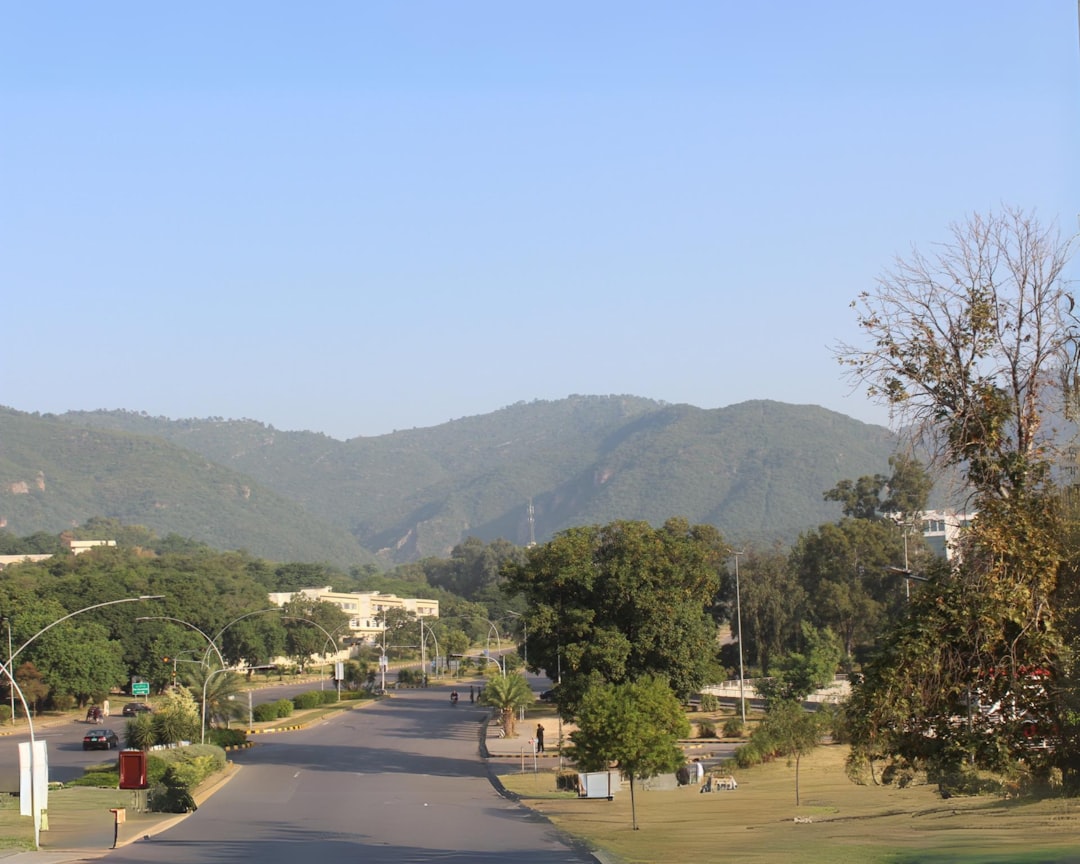
Pakistan emerged as the mediator in the crisis. Pakistani officials proposed the two-week pause as both sides faced mounting pressure. They worked through diplomatic channels as Trump’s deadline loomed. Pakistan offered both countries a face-saving exit from escalating threats.
The timing proved decisive. Iran reviewed Pakistan’s proposal while the U.S. weighed extending its ultimatum. The ceasefire announcement came just hours before Trump’s threatened destruction of Iran’s power grid.
Iran portrayed the agreement as a victory, claiming it forced the U.S. to back down from its threats. Iranian officials framed the pause as proof that American military pressure failed to break Tehran’s resolve.
For Trump, the ceasefire provided an exit from threats that isolated the U.S. diplomatically. The president’s warnings had cost American credibility globally. Pakistan’s mediation succeeded where other diplomatic efforts failed. The country leveraged relationships with both Washington and Tehran. Pakistani Prime Minister Shehbaz Sharif personally called both leaders within hours of each other.
Critical Tradeoffs in the Deal Structure
The ceasefire creates immediate economic relief but exposes both sides to strategic risks. Trump gains breathing room from domestic criticism and international isolation. He avoids executing threats that could have triggered wider regional war. The pause allows Iran to consolidate defenses and potentially advance nuclear development during the 14-day window.
Iran secures relief from threatened infrastructure destruction. Tehran keeps its nuclear facilities intact and maintains regional proxy networks. Iran must reopen the Strait of Hormuz immediately, sacrificing its most powerful economic leverage. The country also risks appearing weak to hardline domestic constituencies if the pause extends indefinitely.
Pakistan emerges as a regional power broker but inherits responsibility for the deal’s success. If either side violates the ceasefire, Islamabad faces blame from both Washington and Tehran. Pakistan must now manage competing pressures to extend or modify the agreement before April 21.
The 14-day window gives both sides time to explore Iran’s 10-point proposal for ending the war, though details remain classified. Trump called the Iranian plan “a workable basis” for negotiations. Iran has not publicly detailed its proposals.
What happens on April 21 remains unclear. Trump’s threats bought temporary reprieve, but Iran’s positions on nuclear development and regional influence haven’t changed. The pause excludes Lebanon, where Israeli operations continue against Hezbollah. Netanyahu said the ceasefire was made “in full cooperation” with Israel, though Israeli officials privately expressed concern about Trump’s emerging deal.
The president who threatened civilizational destruction now has two weeks to find a different path forward. The reversal shows the limits of ultimatum diplomacy when isolated internationally.