Iran Attacks Ships Hours After Trump Extends Ceasefire
- Iran fired on three ships and seized two in the Strait of Hormuz just hours after Trump extended the ceasefire
- The attacks mark the first Iranian ship seizures since the war began 55 days ago
- Iran declared the strait “cannot be opened” due to alleged ceasefire breaches by the U.S.
Iran fired on three ships and seized two container vessels in the Strait of Hormuz on April 22, just hours after President Trump announced an indefinite extension of the ceasefire. The timing destroyed any diplomatic momentum from Trump’s concession and locked both sides deeper into their naval blockade standoff.
The Iranian attacks represent the first ship seizures since the war began 55 days ago. Tehran justified the seizures as enforcement action against vessels committing “maritime violations.” Iran’s Foreign Ministry declared the strait “cannot be opened due to ceasefire breaches” by the United States.
The escalation came as White House Press Secretary Karoline Leavitt confirmed Trump had not set a “firm deadline” for Iran to respond to ceasefire talks. That diplomatic opening lasted less than 12 hours.
The Strait Attacks
Iran targeted commercial vessels transiting the world’s most critical oil chokepoint in coordinated strikes across the 21-mile-wide waterway. The three ships came under fire from Iranian Revolutionary Guard Corps naval units patrolling the northern approaches to the strait.
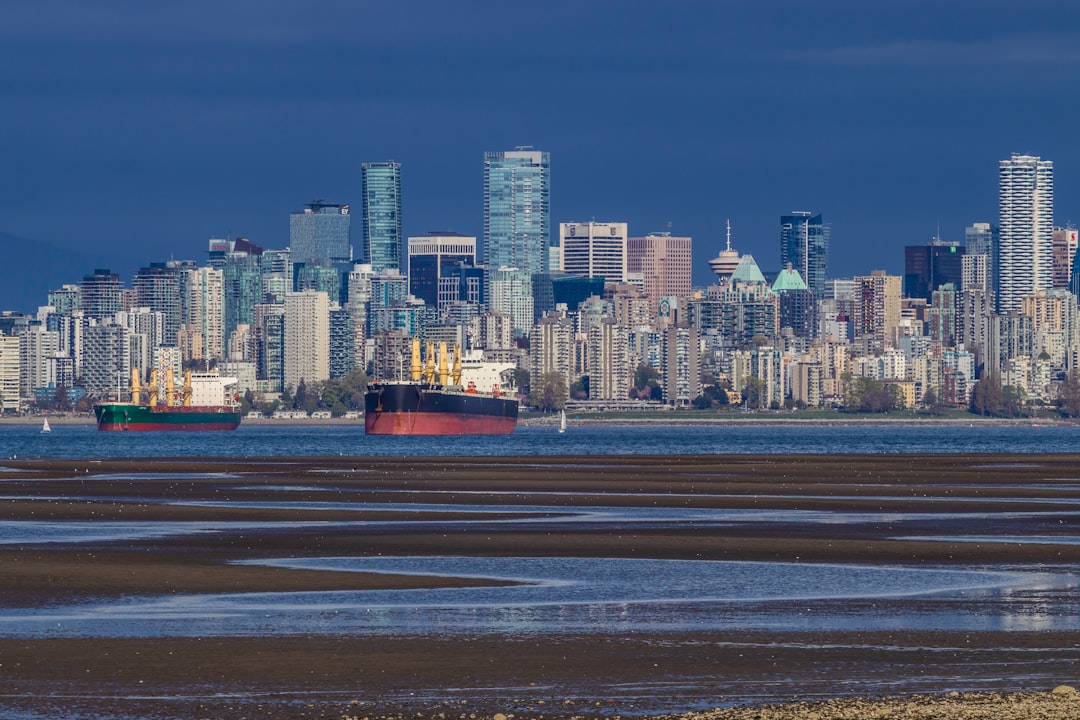
Two container ships were boarded and seized by IRGC marines. The third vessel escaped after taking fire but suffering unspecified damage. Iran’s state media described the seizures as routine enforcement of “international maritime law.”
The attacks occurred in the same waters where U.S. forces boarded a sanctioned oil tanker “without incident” in the Indian Ocean just days earlier. The Pentagon described that operation as enforcement of existing sanctions, not an escalation.
Iran’s timing was precise. The seizures began at 0800 local time, exactly six hours after Trump’s late-night announcement extending the ceasefire. Iranian officials claimed the attacks were defensive responses to continued U.S. “aggression” in the form of the naval blockade.
The Diplomatic Breakdown
The ship seizures torpedoed fragile diplomatic progress that had emerged over the weekend. Trump’s ceasefire extension came after Pakistan pushed for renewed talks between Washington and Tehran, with Pakistani officials serving as intermediaries.
The U.S. maintains there is “no time frame for ending war” while Iran insists reopening the strait is “not possible” under current conditions. Both sides now appear locked in a cycle of tactical escalation disguised as defensive measures.
Iran’s Foreign Ministry spokesman told the BBC there was “no decision” on joining talks with the United States. The statement came just hours before the ship attacks, suggesting Tehran had already decided to escalate rather than negotiate.
The breakdown reflects deeper structural problems. Trump has blown multiple deadlines on Iran policy since taking office. His shifting statements about war duration have undermined U.S. negotiating credibility.
The Naval Stalemate
The ship seizures cement a naval blockade that has paralyzed global energy markets for nearly two months. Oil prices gained on news of the attacks and continued lack of progress in U.S.-Iran talks.
Iran’s closure of the strait forces critical supply chain decisions across the global economy. The blockade has shifted shipping traffic to alternative routes, with the Malacca Strait now handling unprecedented volumes.
China is feeling the economic pressure despite weathering Trump’s earlier trade tariffs. The Iran war is disrupting supply chains that Beijing cannot easily reroute or replace.
Clearing the strait will require months of demining operations even after hostilities end. Reports suggest Iranian mines could take up to six months to clear from the waterway.
The seizures occurred as Navy Secretary John Phelan left the Pentagon “effective immediately.” The timing raised questions about internal disagreements over blockade strategy, though officials described the departure as unrelated to Iran policy.
Trump’s ceasefire gambit bought him political breathing room at home. But Iran’s swift escalation proved that tactical pauses cannot resolve strategic deadlocks.