8 Sectors Getting Hit Hardest by the Hormuz Blockade
- The Strait of Hormuz carries 20 million barrels per day of oil and 20% of global LNG trade, with 84% of crude flows heading to Asia
- War-risk insurance premiums have already surged over 1000% in Gulf shipping, jumping from 0.25% to 3% of vessel value
- Asian refiners face immediate supply disruption while fertilizer trade worth 16 million tonnes annually gets choked off
The Strait of Hormuz is not just an oil story. It sits upstream of electricity reliability, fertilizer supply, plastics feedstocks, shipping insurance, and inflation itself. When this 21-mile-wide chokepoint closes, the damage cascades far beyond crude prices.
Here are the eight sectors getting hit hardest, ranked by how quickly they feel the shock.
1. Marine Insurance
Time to impact: Hours

Marine insurers move fastest because they price risk in real time. War-risk premiums in Gulf shipping have already surged more than 1000% during recent tensions. Voyage rates jumped from roughly 0.25% of vessel value before the conflict to around 3% in some cases.
That is not just a tanker problem. Every cargo ship, LNG carrier, and container vessel transiting the Gulf pays the premium. The cost gets passed to importers within days, making this one of the fastest transmission channels from geopolitical risk to delivered prices worldwide.
Even before physical shortages emerge, delivered costs jump.
2. Gulf Oil Exporters
Time to impact: Days
Revenue stops flowing when tankers cannot load. Saudi Arabia exports 6.23 million barrels per day through Hormuz. Iraq ships 3.63 million barrels daily. Kuwait moves 2.37 million.
Saudi Arabia and the UAE have partial pipeline bypasses that can reroute 2.6 to 5.5 million barrels per day around the strait. Iraq, Kuwait, Qatar, and Bahrain have no meaningful alternatives. Their export terminals back up within hours. Storage fills within days.
Spare production capacity becomes useless if barrels cannot be shipped. The IEA itself flags the counterweight: Iran’s own 2.41 million barrels a day also transit Hormuz, meaning Tehran would bleed revenue from any closure it imposed.
3. Asian Refiners
Time to impact: Days to weeks
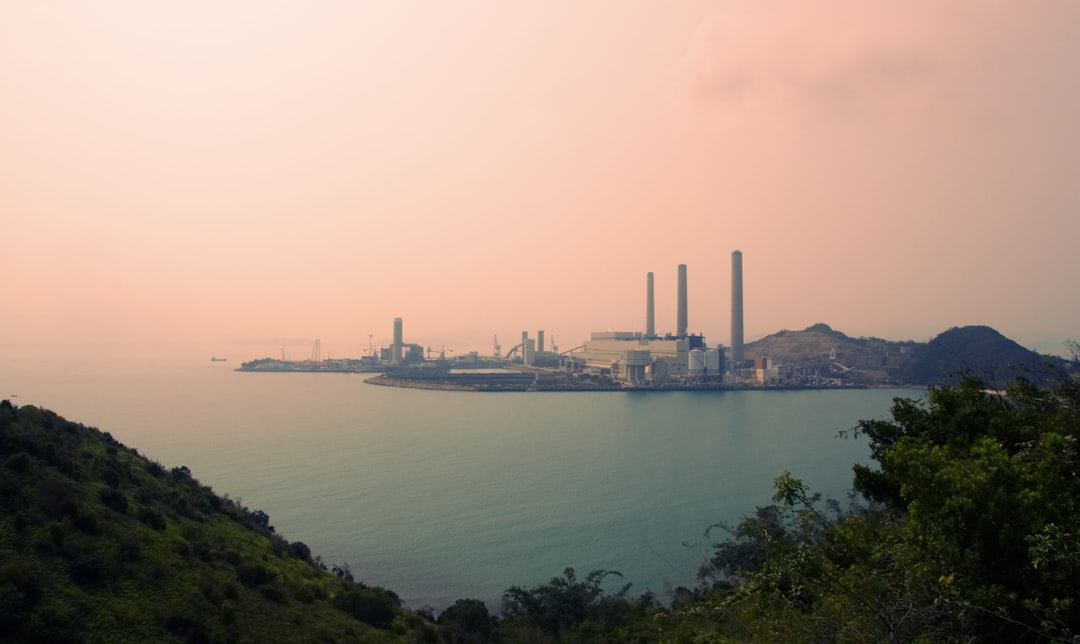
Asian refiners are the clearest first-order downstream losers. China, India, Japan, and South Korea accounted for 69% of all Hormuz crude flows in 2024. These refiners suddenly face tighter crude availability, grade mismatches, and margin volatility.
The pain spreads beyond direct Gulf buyers. Refiners compete globally for replacement barrels, bidding up West Texas Intermediate, Brent, and other benchmarks. Even refiners with diversified supply chains pay more.
Countries with strategic reserves have more cushion. The price shock still hits. Asian LNG import dependence compounds the energy security crisis. China in particular faces dual exposure as both the largest Hormuz crude importer and a major LNG consumer from Qatar.
4. LNG-Dependent Power Systems
Time to impact: Weeks
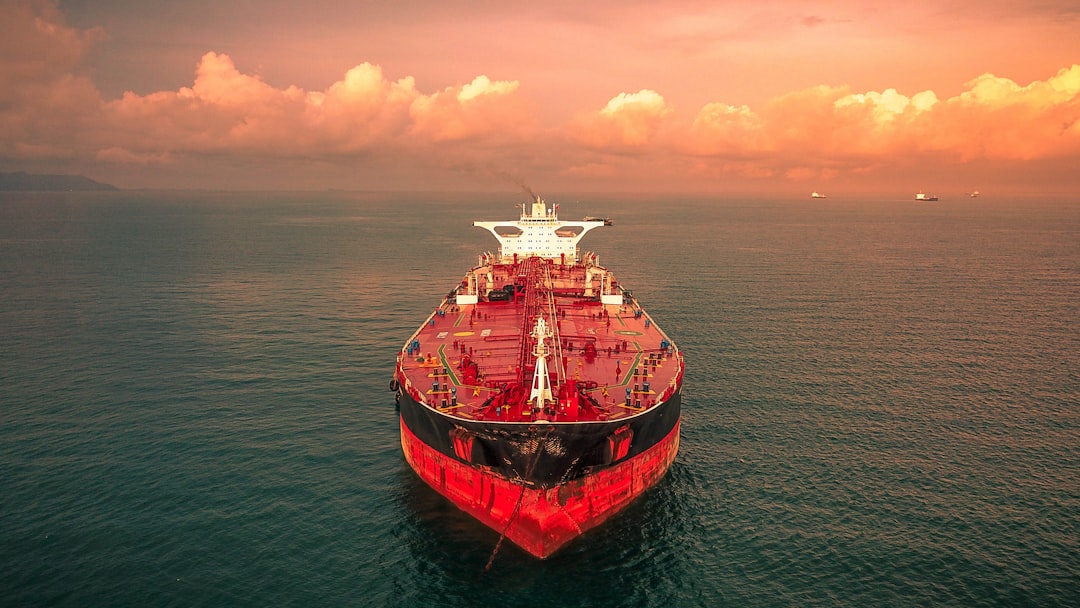
Bangladesh, India, and Pakistan imported almost two-thirds of their total LNG supplies via Hormuz in 2025. Gas-fired generation makes up about 50% of Bangladesh’s power mix and 25% of Pakistan’s.
Qatar alone exported 9.3 billion cubic feet per day of LNG through the strait in 2024. The UAE added another 0.7 billion cubic feet daily. Unlike crude oil, LNG has no meaningful bypass routes that can replace stranded Qatari exports at short notice.
Utilities face immediate fuel replacement problems. Gas-intensive industry gets curtailed to preserve electricity supply. In weaker markets, electricity reliability becomes a political crisis within days, not months.
5. Tanker Shipping
Time to impact: Days
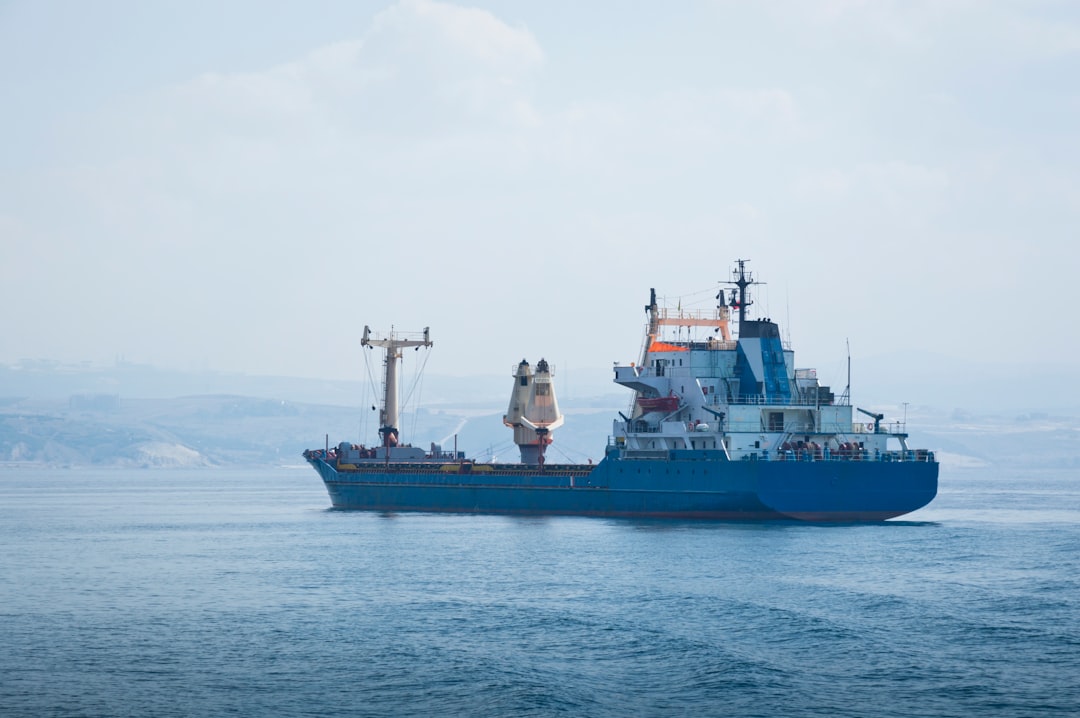
Freight rates spike as risk premiums, rerouting delays, and vessel scarcity combine. Tankers waiting outside high-risk waters create artificial shortages in available tonnage. Ships that do transit demand premium rates.
The problem compounds itself. Higher freight costs make delivered oil more expensive even for countries that never buy from the Gulf. Shipping is a global market. When the biggest trade route gets disrupted, everyone pays more.
Vessel availability tightens fast when more than a quarter of global seaborne oil trade gets rerouted or delayed. Even ships that never transit Hormuz pay more, because tonnage is a global pool and Gulf disruption drags the whole market tighter.
6. Fertilizer and Agriculture
Time to impact: Weeks to months
Around one-third of global seaborne fertilizer trade passes through Hormuz, worth about 16 million tonnes annually. Fertilizer prices also react to natural gas disruption because gas is a core input to ammonia and urea production.
The agricultural impact spreads slowly but widely. Higher fertilizer costs mean higher food production costs. Import-dependent developing economies feel the strain first. Debt-stressed countries have less room to absorb imported price shocks.
Food inflation follows within months. UNCTAD analysis warns that vulnerable economies face compound risks from energy and fertilizer disruption. The timing coincides with critical planting seasons across multiple agricultural zones.
7. Airlines
Time to impact: Weeks
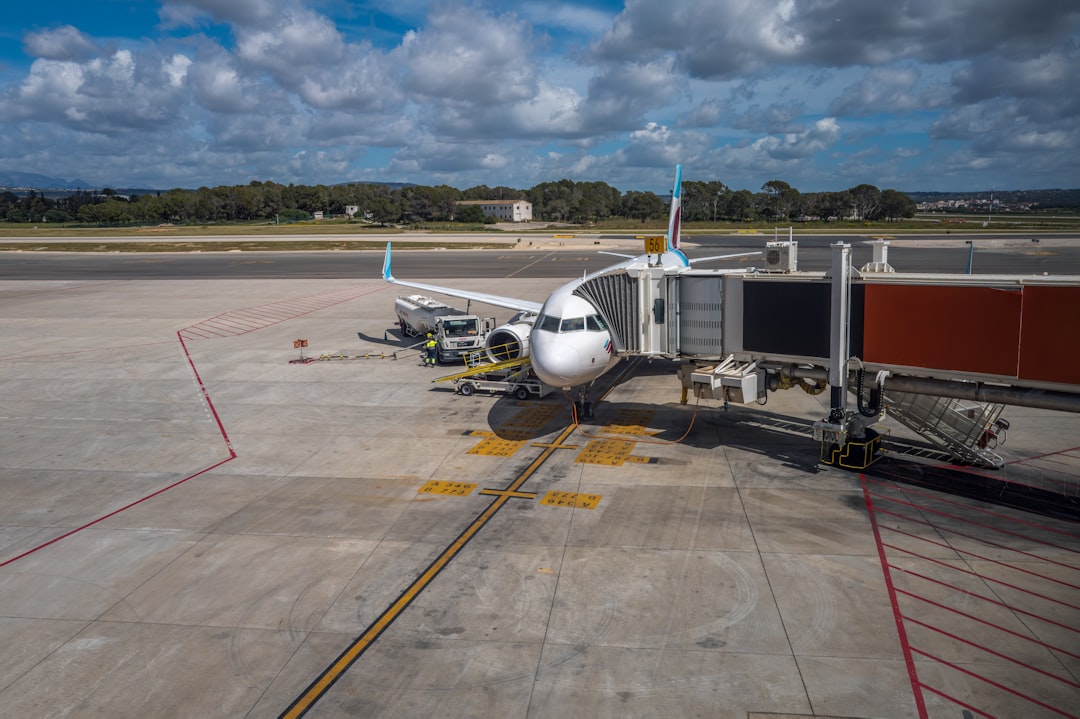
Jet fuel moves with crude oil and refining spreads. The global airline fuel bill was about $236 billion in 2025, roughly 25.8% of total operating costs.
Airlines with weak hedging or lower margins get hit fastest. Budget carriers typically have less fuel-price protection than legacy airlines. Air cargo rates also rise as disruption spills into broader logistics and fuel pricing.
The impact varies by route and hedging position. The direction is always the same. Asian carriers face the sharpest pressure because their route networks sit closest to Gulf refining.
8. Consumers and Central Banks
Time to impact: Months
Oil supply shocks pass through to inflation quickly. Federal Reserve analysis found that a roughly $45 per barrel oil spike added almost one percentage point to U.S. headline inflation on impact during 2022-style scenarios.
Higher gasoline, diesel, power, airline ticket, and goods prices hit consumers directly. Central banks face tougher inflation-fighting decisions. Energy-importing countries with weaker currencies suffer more.
The pain spreads even to countries with low direct Gulf import exposure. Shipping, insurance, and commodity benchmarks are global markets. The Fed’s own authors hedge the scenario: pass-through depends heavily on shock duration, inventory buffers, and whether central banks cut rates to cushion growth. A short blockade passes through fast but fades; a long one restructures expectations.
The Strait of Hormuz carries more than oil tankers. It carries the inputs to modern industrial civilization. When those inputs get choked off, the damage spreads faster and wider than most governments expect. The first casualties are not just energy companies. They are the cost structures that keep inflation under control.